
The Benefits of Banana Blossom and How to Use It in Recipes
Banana Blossom: Health Benefits and How It Is Used in Traditional Cooking
Health 11/03/2026 12:07
Low blood sugar, medically known as Hypoglycemia, occurs when the level of glucose in the blood falls below normal. Glucose is the body’s primary source of energy, especially for the brain. When levels drop too low, the body begins sending warning signals—but many people fail to recognize them.
While hypoglycemia is most common in people with Diabetes, it can also occur in people without diabetes due to fasting, certain medications, alcohol consumption, or other medical conditions. Recognizing the early signs can help prevent serious complications.
Here are 12 common symptoms that may indicate your blood sugar is dropping.
One of the earliest signs of low blood sugar is shaking or trembling. When glucose levels drop, the body releases stress hormones like adrenaline, which can cause noticeable shaking in the hands or body.
Unexplained sweating—especially cold sweats—can be a warning sign of falling blood sugar levels. This may happen even if the environment is cool or you are not physically active.
An intense or sudden feeling of hunger may occur when blood sugar levels decline. The body signals the brain that it needs quick energy, often leading to cravings for carbohydrate-rich foods.
The brain depends heavily on glucose. When blood sugar drops, people may feel dizzy, lightheaded, or unsteady.

Low glucose levels can make it difficult for the body to produce energy efficiently, resulting in sudden fatigue or muscle weakness.
A racing heart or heart palpitations may occur when the body releases adrenaline in response to hypoglycemia. This reaction is part of the body’s attempt to restore blood sugar balance.
Headaches can occur when the brain receives less glucose than it needs. Persistent or recurring headaches—especially when combined with other symptoms—may indicate fluctuating blood sugar levels.
Vision changes such as blurriness or difficulty focusing can occur during low blood sugar episodes. These symptoms typically improve once blood sugar levels return to normal.
Low blood sugar can impair cognitive function. People may experience confusion, trouble concentrating, or difficulty completing simple tasks.
Sudden mood swings, anxiety, or irritability can sometimes be linked to falling blood sugar levels. These emotional changes occur because the brain is not receiving enough fuel.

Some individuals experience tingling sensations around the lips, tongue, or fingers during hypoglycemia. This can be an early neurological signal that glucose levels are low.
Low blood sugar can sometimes occur during the night, leading to restless sleep, vivid dreams, or waking up suddenly feeling sweaty or anxious.
If blood sugar continues to drop, more severe symptoms can occur, including:
Confusion
Loss of coordination
Seizures
Loss of consciousness
These symptoms require immediate medical attention.
Simple lifestyle habits can help maintain stable blood sugar levels:
Eat balanced meals at regular intervals
Avoid skipping meals
Limit excessive alcohol intake
Monitor blood sugar if you have diabetes
Carry quick sources of glucose such as fruit juice or glucose tablets
For people with Diabetes, working closely with a healthcare provider to adjust medications, diet, and exercise routines is essential.
Low blood sugar can cause a variety of symptoms, many of which are easy to overlook. Learning to recognize the early signs of Hypoglycemia—such as shakiness, sweating, hunger, dizziness, and mood changes—can help prevent more serious complications.
If these symptoms occur frequently, it may be important to consult a healthcare professional to determine the underlying cause and develop a safe treatment plan.
American Diabetes Association – Hypoglycemia (Low Blood Glucose).
Mayo Clinic – Hypoglycemia: Symptoms and causes.
National Institute of Diabetes and Digestive and Kidney Diseases – Low Blood Glucose (Hypoglycemia).
Centers for Disease Control and Prevention – Managing Blood Sugar.
Banana Blossom: Health Benefits and How It Is Used in Traditional Cooking

Leaf of Life: The Healing Plant That May Be Growing Right in Your Backyard

A Simple Finger Test That Could Help Spot Early Signs Linked to Lung Can.cer

8 Hidden Health Problems That Could Make You Tired Even After Sleeping 8 Hours

Nutritious Vegetables Like Loofah and Squash Should Be Avoided If They Taste Bitter
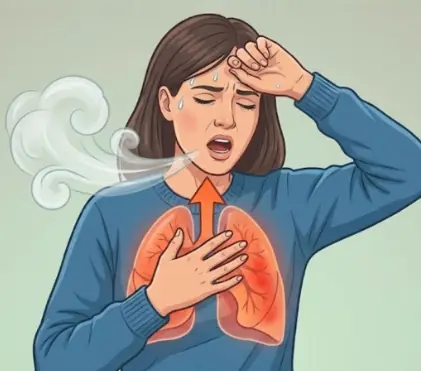
Oxygen is a crucial element in maintaining our health and proper body function. It plays an essential role in enabling organs, tissues, and cells to carry out their various tasks.


The thyroid is a vital gland responsible for regulating metabolism, energy production, and hormonal balance.

Back pain is a common condition that can occur for many reasons, but it becomes especially debilitating when it involves the sciatic nerve.

Your nails do much more than protect your fingers — they can act as early warning signals for what’s happening inside your body.
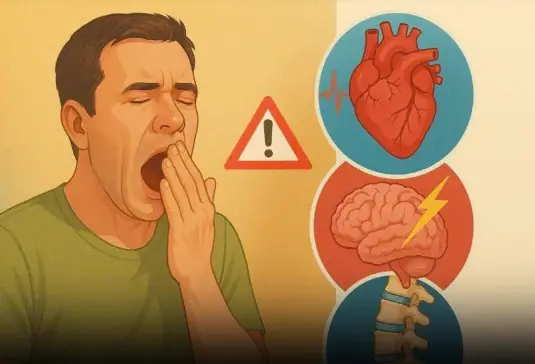
Excessive Yawning: When a Common Habit May Signal Serious Health Problems

The Importance of Beans in Controlling Diabetes.

A Month Before a Stroke, Your Body May Be Sending Warnings — And Many People Miss Them

4 Morning Mistakes That Could Raise Your Risk of Stroke

What 6 different areas of stomach pa.in may reveal about your health?

Don’t Ignore Cold Hands and Feet – They Could Be Signs of 4 Health Problems

Waking Up at 3 a.m. Every Night? Here Are Possible Reasons

19 Possible Conditions That May Cause Red Spots on Your Skin
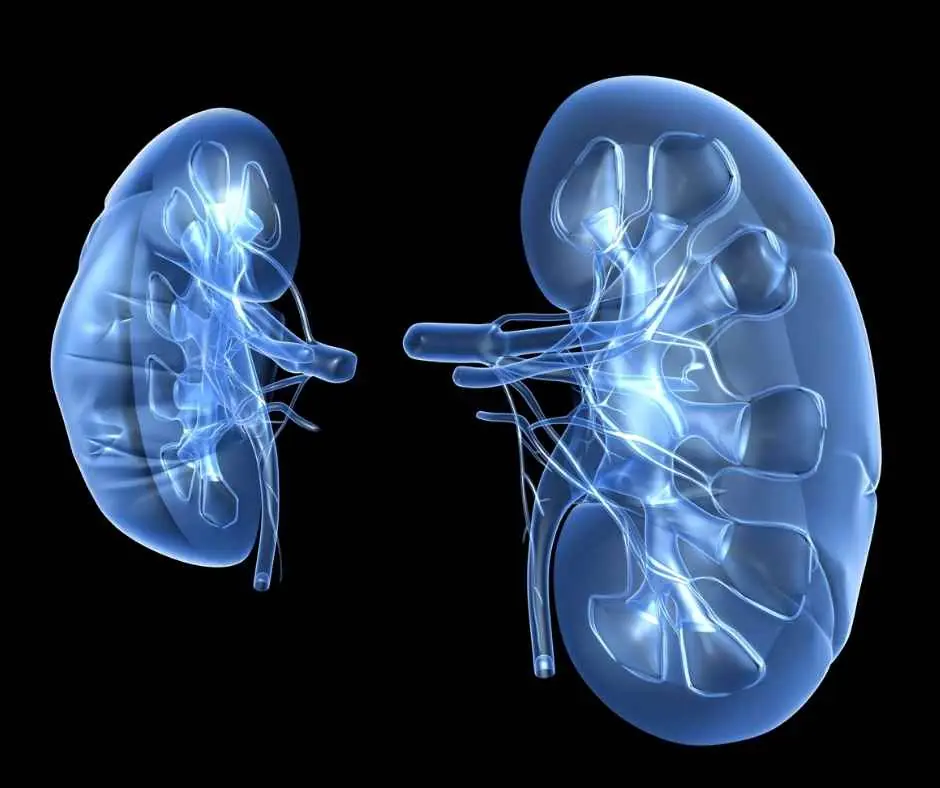
This Ear Symptom Appears in Over 70% of Kidney Failure Cases—Do You Have It?
Banana Blossom: Health Benefits and How It Is Used in Traditional Cooking
Leaf of Life: The Healing Plant That May Be Growing Right in Your Backyard
A Simple Finger Test That Could Help Spot Early Signs Linked to Lung Can.cer
8 Hidden Health Problems That Could Make You Tired Even After Sleeping 8 Hours
Nutritious Vegetables Like Loofah and Squash Should Be Avoided If They Taste Bitter
Oxygen is a crucial element in maintaining our health and proper body function. It plays an essential role in enabling organs, tissues, and cells to carry out their various tasks.

Small Breasts: What They Might Mean for Your Health and Body
The thyroid is a vital gland responsible for regulating metabolism, energy production, and hormonal balance.
Back pain is a common condition that can occur for many reasons, but it becomes especially debilitating when it involves the sciatic nerve.
Your nails do much more than protect your fingers — they can act as early warning signals for what’s happening inside your body.
Excessive Yawning: When a Common Habit May Signal Serious Health Problems
The Importance of Beans in Controlling Diabetes.
A Month Before a Stroke, Your Body May Be Sending Warnings — And Many People Miss Them
4 Morning Mistakes That Could Raise Your Risk of Stroke
What 6 different areas of stomach pa.in may reveal about your health?

How to Spot Pure Honey at Home: A Complete Guide
Don’t Ignore Cold Hands and Feet – They Could Be Signs of 4 Health Problems
Waking Up at 3 a.m. Every Night? Here Are Possible Reasons