The Ultimate Guide: How to Identify Pure Honey at Home
Introduction
That beautiful golden jar of honey in your kitchen—is it really pure?
According to food safety experts in Europe, honey is the third most commonly adulterated food in the world, after milk and olive oil. This means the “honey” you buy may sometimes contain added sugars such as corn syrup or rice syrup instead of being entirely natural.
Learning how to recognize real honey is important for both health and quality. Genuine honey behaves differently from artificial or diluted products, and there are several simple tests you can try at home to help spot obvious fakes.
This guide explains how to recognize authentic honey, what to look for on labels, and which common myths about testing honey should be ignored.
Why Should You Care About Fake Honey?
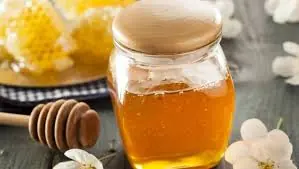
Real honey is much more than just a sweetener. Pure honey contains over 200 natural compounds that may support health, including:
-
Enzymes such as glucose oxidase and diastase that contribute to honey’s antibacterial properties
-
Antioxidants, including flavonoids and phenolic acids
-
Natural antimicrobial compounds that have been used in wound care since ancient times
When honey is diluted with syrups or heavily processed, many of these beneficial compounds are reduced or destroyed. What remains is essentially added sugar without the natural benefits of genuine honey.
Producing real honey also requires time and effort. A typical beehive produces around 25–30 kilograms of honey per year, and responsible beekeepers leave some honey for the bees themselves. Because of this limited supply, real honey naturally costs more than artificial sweeteners.
Reading the Label: What to Look For
Honey labels can provide useful clues, but they can also be misleading if you do not understand the terminology.
Raw Honey
Raw honey has not been heated above low temperatures and usually remains minimally processed. This helps preserve natural enzymes, pollen, and other compounds. Raw honey often appears cloudy rather than perfectly clear.
Pure Honey
Legally, “pure honey” simply means that no other ingredients were added. However, it does not guarantee that the honey was minimally processed. It may still have been filtered or heated.
Organic Honey
Organic honey indicates that bees collected nectar from areas without synthetic pesticides and that beekeeping practices meet organic standards. However, organic honey is not necessarily raw.
Warning Signs on Labels
Certain phrases may suggest lower-quality products, such as:
-
“Honey blend”
-
“Honey product”
-
“Natural honey flavor”
These terms may indicate that the jar contains honey mixed with other sweeteners.
Another important clue is price. Genuine honey is rarely extremely cheap because real production costs are relatively high.
What Real Honey Looks and Acts Like

Observing how honey behaves can often reveal important clues about its authenticity.
Crystallization
One common misconception is that crystallized honey has spoiled. In reality, crystallization is a natural process and often indicates real honey.
Honey is a supersaturated sugar solution. Over time, glucose molecules can form tiny crystals, causing the honey to become thick or grainy. This process may occur within a few months to a year, depending on the floral source and storage conditions.
If honey remains perfectly clear and liquid for years, it may have been heavily processed or filtered.
Texture and Flow
Pure honey typically contains very little water (around 17–18%), which gives it a thick texture.
When poured from a spoon, real honey usually forms a smooth, continuous ribbon before slowly spreading. Honey that pours very quickly or separates easily may contain added water or syrups.
Aroma and Flavor
Real honey has a complex aroma and taste that depends on the flowers visited by bees. The flavor may evolve as it sits on the tongue.
Artificial honey or syrup-based products tend to taste uniformly sweet without depth or floral notes.
Five Easy Home Tests for Honey Purity
While home tests cannot guarantee absolute authenticity, they may help detect obvious adulteration.
1. The Water Test
How to do it
-
Fill a glass with room-temperature water.
-
Add a spoonful of honey without stirring.
Expected result
-
Pure honey usually sinks to the bottom as a lump.
-
Diluted honey may dissolve quickly or spread through the water.
Why it works
Pure honey is denser than water, while diluted honey behaves more like a typical liquid.
2. The Flame Test
How to do it
-
Dip a cotton wick or matchstick in honey.
-
Try to light it.
Expected result
-
Pure honey may allow the wick to burn because it contains little water.
-
Honey diluted with water may fail to ignite or produce sputtering sounds.
Safety note: Always perform this test carefully and near water.
3. The Paper Blot Test
How to do it
Place a drop of honey on a piece of absorbent paper or a paper towel.
Expected result
-
Pure honey tends to stay on the surface.
-
Honey with added water may soak into the paper and leave a wet mark.
4. The Vinegar Test
How to do it
-
Mix honey with a small amount of water.
-
Add a few drops of vinegar.
Expected result
-
Pure honey generally shows no reaction.
-
Bubbling may indicate added substances such as chalk or fillers.
5. The Iodine Test
How to do it
-
Dissolve honey in water.
-
Add a few drops of iodine solution.
Expected result
-
If the mixture turns blue or purple, starch may be present.
-
Pure honey should not change color.
Honey Testing Myths
Some widely shared honey tests are unreliable.
The Ant Test
The claim that ants avoid pure honey is false. Ants are attracted to any sugar source, including real honey.
Honeycomb Pattern Myth
Swirling honey in water does not prove authenticity. Pattern formation can occur in many thick liquids due to fluid dynamics.
Microwave Test
Heating honey in a microwave does not accurately determine purity and may simply reflect sugar content.
The Limitations of Home Tests
Modern food adulteration methods can produce syrups that closely mimic real honey’s density, viscosity, and sugar profile. These sophisticated substitutes may pass many household tests.
Laboratory techniques used to detect adulteration include:
-
NMR spectroscopy, which analyzes molecular composition
-
Carbon isotope testing, which detects sugars derived from corn or cane rather than nectar
Because of these limitations, buying honey from trustworthy producers remains the most reliable approach.
How to Buy Authentic Honey
To increase your chances of getting genuine honey:
-
Buy from local beekeepers or farmers’ markets when possible
-
Look for raw or minimally processed honey
-
Check that the label clearly states country of origin
-
Be cautious of prices that seem unusually low
High-quality honey typically has natural variations in color, taste, and texture, which reflects the flowers visited by the bees.
Key Takeaways
-
Crystallization is a natural process and often indicates authentic honey.
-
Simple tests such as the water test or paper blot test may detect obvious dilution.
-
Some popular tests, like the ant test, are myths.
-
Sophisticated adulteration can only be confirmed through laboratory testing.
-
Buying honey from reputable sources is the most reliable way to ensure authenticity.
Final Thoughts
Honey is one of nature’s most remarkable foods, created through the work of thousands of bees gathering nectar from countless flowers. Genuine honey reflects the environment, season, and plants from which it originated.
By understanding how real honey behaves and learning a few simple ways to evaluate it, you can make more informed choices and enjoy authentic honey with its natural flavor and benefits.