Cockroaches are among the most common household pests, and they can be extremely difficult to eliminate once they settle inside a home. These insects are known for their ability to survive in many environments, reproduce quickly, and hide in small cracks or dark areas. Besides being unpleasant to see, cockroaches can also contaminate food, spread bacteria, and trigger allergies in some people.
Many households rely on chemical insecticides to deal with cockroach infestations. However, some people prefer simple, low-cost, and natural solutions that can help reduce cockroach populations without using strong chemicals indoors. One well-known household method involves mixing sugar with boric acid or baking soda to create a bait that attracts cockroaches and helps control their numbers.
While this approach may not completely replace professional pest control in severe infestations, it can be a useful method for managing cockroach problems in smaller situations.
Why Cockroaches Enter Homes
Before discussing how natural remedies work, it is helpful to understand why cockroaches are attracted to houses.
Cockroaches typically enter homes in search of three main things:
-
Food
-
Water
-
Shelter
Kitchens, bathrooms, basements, and storage areas are especially attractive to cockroaches because they often provide moisture and food scraps.
Common factors that attract cockroaches include:
-
Crumbs or leftover food
-
Unsealed food containers
-
Dirty dishes left overnight
-
Leaking pipes or damp areas
-
Garbage bins that are not sealed
Because cockroaches are nocturnal, they are often active at night and hide during the day.
How Sugar Bait Works
Sugar plays an important role in homemade cockroach traps because cockroaches are attracted to sweet smells and food sources.
When sugar is mixed with another substance such as boric acid or baking soda, it acts as bait. The sugar draws cockroaches toward the mixture, encouraging them to consume it.
Once the cockroaches ingest the mixture, the second ingredient can interfere with their digestive systems and eventually eliminate them.
This method works because cockroaches cannot easily distinguish between sugar and the other ingredient when the two are mixed together.
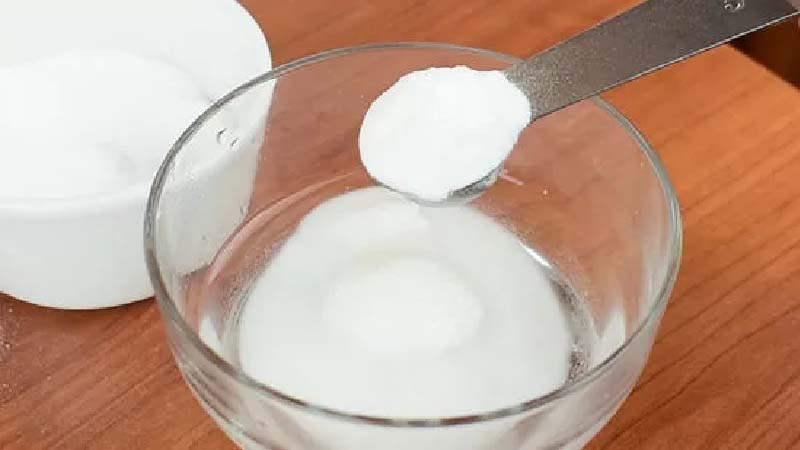
Method 1: Sugar and Baking Soda
One common household solution involves mixing sugar and baking soda.
Why It Works
Baking soda reacts with acids inside the cockroach’s digestive system. This reaction produces gas that the insect cannot release easily, which may lead to its death.
How to Prepare the Mixture
-
Mix equal parts sugar and baking soda in a small container.
-
Place small amounts of the mixture in shallow dishes or bottle caps.
-
Put the bait in areas where cockroaches are commonly seen, such as under sinks, behind appliances, or near garbage bins.
This method is simple and uses ingredients that are often already available in most kitchens.
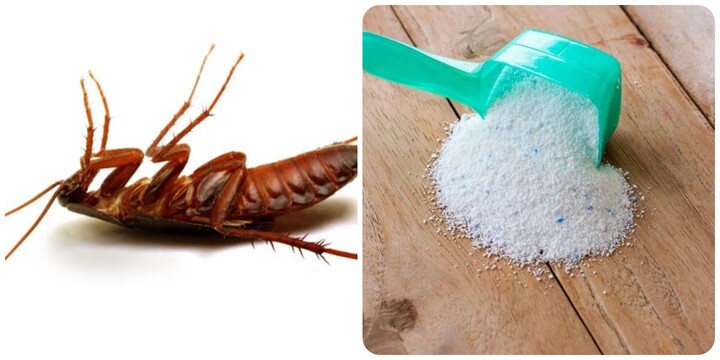
Method 2: Sugar and Boric Acid
Another well-known cockroach control method involves boric acid mixed with sugar.
Why It Works
Boric acid is commonly used in pest control because it damages the digestive and nervous systems of insects when ingested.
When cockroaches eat the mixture, the boric acid can gradually eliminate them.
How to Use It
-
Mix equal parts sugar and boric acid powder.
-
Place the mixture in small containers or sprinkle it lightly in areas where cockroaches travel.
It is important to use this method carefully and keep the mixture away from children and pets.
Where to Place the Bait
The effectiveness of cockroach bait depends greatly on placement.
Common locations where cockroaches hide include:
-
Under refrigerators
-
Behind stoves
-
Inside kitchen cabinets
-
Under sinks
-
Near garbage bins
-
Inside cracks and corners
Placing bait in these areas increases the likelihood that cockroaches will encounter it.
Additional Tips to Prevent Cockroach Infestations
While homemade bait can help reduce cockroach numbers, long-term control depends on maintaining a clean and well-maintained environment.
Keep the Kitchen Clean
Food crumbs and grease attract cockroaches. Wipe countertops regularly and sweep floors to remove food residue.
Store Food Properly
Keep food in sealed containers to prevent cockroaches from accessing it.
Take Out Garbage Regularly
Garbage bins should be emptied frequently and kept tightly closed.
Fix Water Leaks
Cockroaches need water to survive. Repairing leaking pipes and reducing moisture can make the home less attractive to them.
Seal Cracks and Gaps
Cockroaches often enter homes through small openings in walls, floors, or doors. Sealing these gaps can help prevent entry.
Understanding the Limits of Home Remedies
Homemade solutions can be helpful in reducing cockroach activity, but they may not eliminate large infestations completely.
Cockroaches reproduce quickly, and severe infestations may require professional pest control services.
However, natural methods combined with good cleaning habits can be effective for managing small infestations and preventing new ones.
Why Natural Methods Are Popular
Many households prefer natural pest control methods because they:
-
Use simple ingredients
-
Are inexpensive
-
Reduce reliance on chemical sprays
-
Are easy to prepare
While these methods should be used responsibly, they offer an accessible option for basic pest control.
Final Thoughts
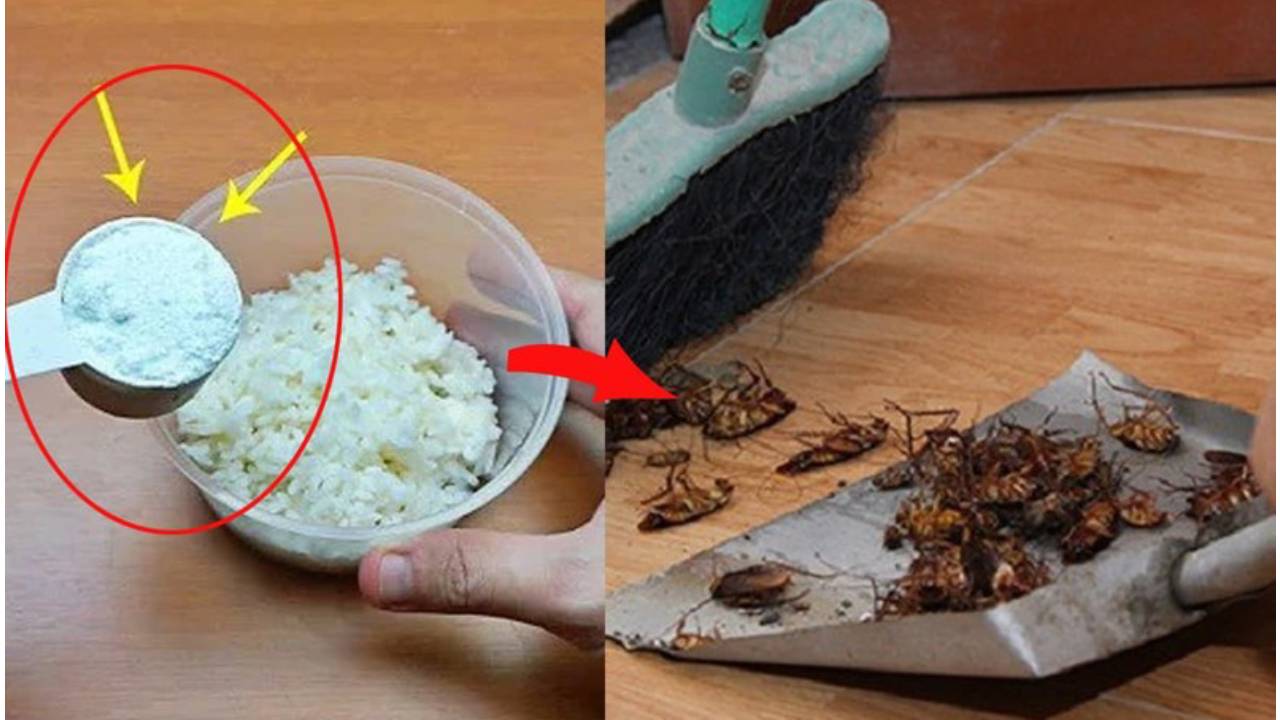
Cockroaches are persistent pests that can thrive in many environments, but simple household strategies can help reduce their presence. Mixing sugar with ingredients such as baking soda or boric acid creates a bait that attracts cockroaches and may help eliminate them naturally.
Combined with proper cleaning, food storage, and home maintenance, this method can contribute to a cleaner and healthier living environment.
Sometimes, the most effective solutions are surprisingly simple, using everyday household items to tackle common problems in practical ways.