Storing food properly is essential for maintaining freshness, safety, and nutritional value. Eggs, in particular, are a staple in many households due to their versatility and high nutritional content. However, one common mistake that many people make is storing eggs on the refrigerator door. While it may seem convenient, this practice can actually lead to faster spoilage and reduced quality.
Understanding why this happens and how to store eggs correctly can help extend their shelf life and preserve their nutritional benefits.
Why the Refrigerator Door Is Not Ideal
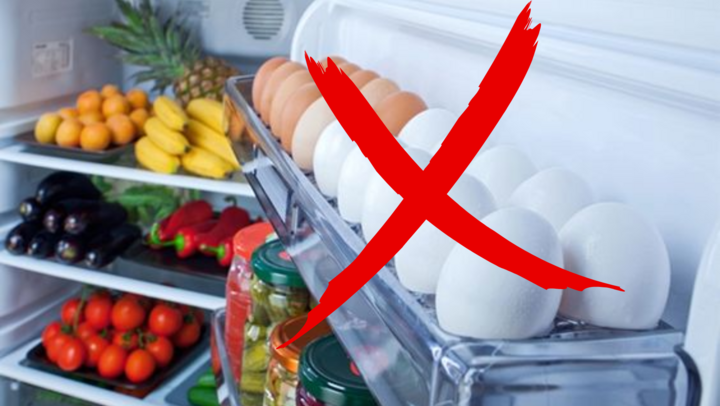
The refrigerator door is designed for convenience, allowing easy access to frequently used items. However, it is also the warmest and most unstable area inside the fridge.
1. Temperature Fluctuations
Every time the fridge door is opened, it is exposed to room temperature. This causes frequent changes in temperature, which can negatively affect sensitive foods like eggs.
Eggs require a consistent, cool environment to stay fresh. Repeated temperature fluctuations can accelerate bacterial growth and reduce their shelf life.
2. Increased Risk of Spoilage
Because the door is not as cold as the interior shelves, eggs stored there may spoil more quickly. Even small temperature variations can affect the internal structure of the egg, leading to:
- Faster degradation of proteins
- Changes in texture and taste
- Increased risk of contamination
3. Loss of Nutritional Quality
While eggs do not instantly lose all their nutrients, improper storage conditions can gradually reduce their quality. Over time, exposure to fluctuating temperatures may affect:
- Protein stability
- Vitamin retention
- Overall freshness
This means that eggs may not provide the same nutritional benefits as properly stored ones.
The Best Way to Store Eggs
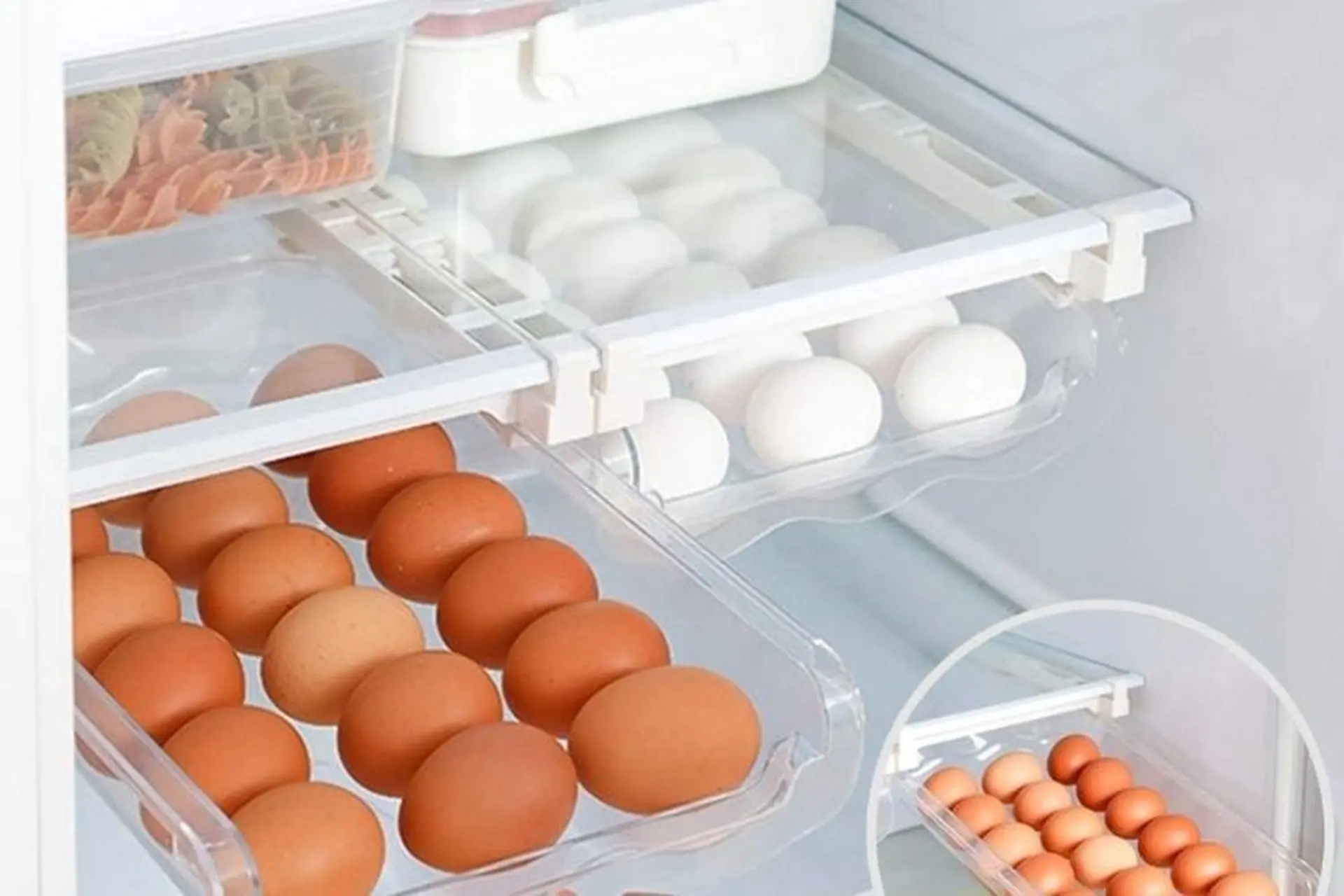
To maintain freshness and quality, experts recommend storing eggs in the main body of the refrigerator, preferably on a middle shelf where the temperature is most stable.
Key tips include:
- Keep eggs in their original carton
The carton protects eggs from absorbing odors and helps maintain humidity levels. - Store at a consistent temperature
Ideally below 4°C (40°F). - Avoid washing eggs before storage
Washing can remove the natural protective coating on the shell, making them more susceptible to bacteria.
Why the Original Carton Matters
Many people transfer eggs to the built-in egg tray on the fridge door, but this may not be the best choice.
The original carton helps:
- Prevent moisture loss
- Protect eggs from absorbing strong odors from other foods
- Provide information such as expiration date
Keeping eggs in their carton is a simple but effective way to preserve quality.
How to Tell If Eggs Are Still Fresh
Even with proper storage, it is important to check egg freshness. Some simple methods include:
The Float Test
Place the egg in a bowl of water:
- Fresh eggs sink and lie flat
- Older eggs stand upright
- Spoiled eggs float
Smell Test
Crack the egg into a separate container. A foul odor is a clear sign that it should not be consumed.
Common Myths About Egg Storage
Myth: The Egg Tray in the Door Is the Best Place
While convenient, this is not ideal due to temperature instability.
Myth: Eggs Last Indefinitely in the Fridge
Even when refrigerated, eggs have a limited shelf life and should be consumed within a reasonable time frame.
The Bigger Picture: Food Safety and Efficiency
Proper egg storage is not just about freshness—it also plays a role in:
- Preventing food waste
- Reducing the risk of foodborne illness
- Maintaining nutritional intake
Small habits, such as choosing the right storage location, can make a meaningful difference in daily life.
Conclusion
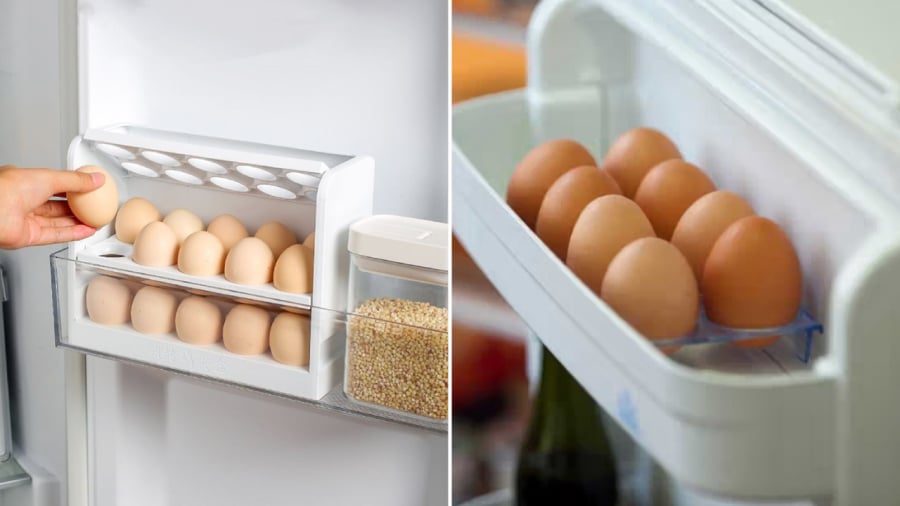
Storing eggs on the refrigerator door may seem convenient, but it exposes them to temperature fluctuations that can lead to faster spoilage and reduced quality. By placing eggs in the main compartment of the fridge and keeping them in their original carton, you can significantly extend their freshness and preserve their nutritional value.
Sometimes, improving food storage is not about complicated changes—but about correcting simple, everyday habits. Paying attention to these small details can help ensure safer, healthier, and more efficient use of the food you rely on every day.