Heel Pain Making Every Step Difficult? These 7 Simple Exercises May Help Ease It
Heel pain is a common problem that affects millions of people worldwide. One of the most frequent causes is plantar fasciitis, a condition involving inflammation of the plantar fascia — a thick band of tissue that runs along the bottom of the foot and connects the heel to the toes.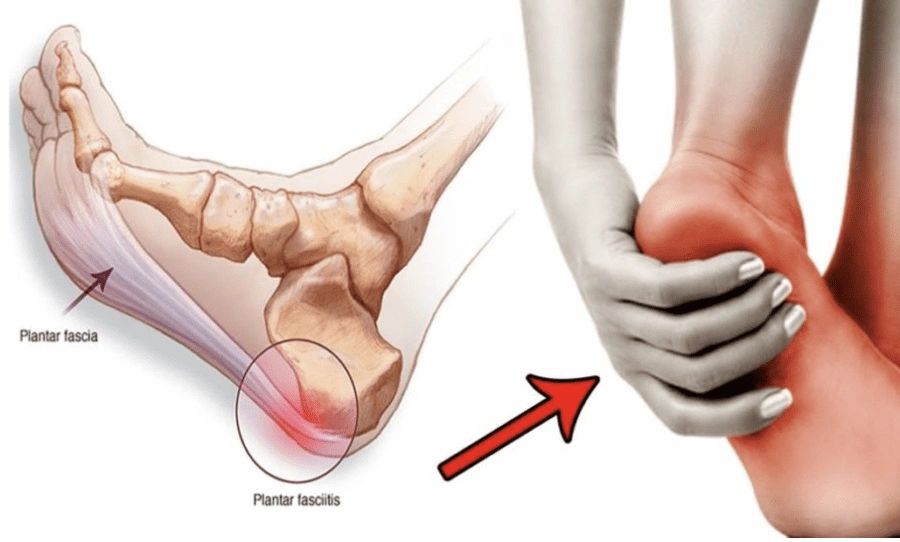
When this tissue becomes irritated or overstretched, it can cause sharp pain in the heel, especially during the first steps in the morning or after long periods of rest.
Fortunately, certain gentle exercises may help reduce tension in the foot, improve flexibility, and support recovery.
What Causes Plantar Fasciitis?
Plantar fasciitis often develops when excessive stress is placed on the foot’s arch. This may happen due to:
-
Long hours of standing or walking
-
Wearing unsupportive footwear
-
Tight calf muscles
-
Excess body weight
-
High-impact activities such as running
Stretching and strengthening the muscles around the foot and calf can help reduce the strain on the plantar fascia and relieve discomfort over time.
7 Exercises That May Help Relieve Heel Pain
1. Plantar Fascia Stretch
This stretch directly targets the plantar fascia and helps loosen the tissue under the foot.
How to do it:
-
Sit down and cross one foot over the opposite knee
-
Hold your toes and gently pull them toward your shin
-
Hold for about 10–15 seconds
-
Repeat several times
This movement helps improve flexibility and reduce tension in the arch.
2. Towel Curl Exercise
This simple exercise strengthens the small muscles that support the arch of the foot.
How to do it:
-
Sit on a chair with a towel placed under your foot
-
Use your toes to scrunch the towel toward you
-
Repeat for several repetitions
Strengthening these muscles can improve foot stability and reduce pressure on the plantar fascia.
3. Frozen Bottle Roll
Rolling your foot over a frozen bottle can provide both massage and cold therapy.
Steps:
-
Place a frozen water bottle on the floor
-
Roll your foot slowly back and forth over it
-
Continue for 1–2 minutes
Cold therapy may help reduce inflammation while gently massaging the fascia.
4. Calf Stretch Against the Wall
Tight calf muscles often worsen plantar fasciitis symptoms.
How to do it:
-
Stand facing a wall
-
Place one leg behind the other
-
Keep the back heel on the floor and lean forward
-
Hold the stretch for about 20–30 seconds
Stretching the calves reduces tension transmitted to the heel.
5. Heel Raises
Heel raises help strengthen the calf muscles and improve foot support.
Steps:
-
Stand upright with feet shoulder-width apart
-
Slowly lift your heels off the ground
-
Hold briefly, then lower them back down
This movement helps improve foot stability and arch support.
6. Toe Walking and Heel Walking
Walking briefly on your toes and then on your heels can strengthen multiple muscles in the foot and lower leg.
This exercise helps improve balance and foot mechanics, which may reduce pressure on the plantar fascia over time.
7. Arch Strengthening (Short Foot Exercise)
This exercise focuses on strengthening the muscles that maintain the foot’s arch.
How to do it:
-
Stand with feet flat on the floor
-
Try to lift the arch of the foot without curling the toes
-
Hold for a few seconds and repeat
Strengthening the arch can reduce strain on the plantar fascia.
The Bottom Line
Heel pain caused by plantar fasciitis can be frustrating, but gentle stretching and strengthening exercises may help relieve discomfort and improve foot function over time.
Consistency is key. Performing these exercises regularly — along with wearing supportive footwear and avoiding excessive strain — may help reduce symptoms and prevent future flare-ups.
If heel pain persists or worsens, it’s important to consult a healthcare professional for proper diagnosis and treatment.