Colon cancer, also known as colorectal cancer, is one of the most common cancers worldwide. It develops in the large intestine, which is the final part of the digestive system. Although this disease can be life-threatening, early detection and treatment significantly improve survival rates.
Understanding the symptoms and causes of colon cancer is extremely important. Many people ignore early warning signs because they appear mild or similar to common digestive problems. However, recognizing these symptoms early can help save lives.
What Is Colon Cancer?
Colon cancer occurs when abnormal cells grow uncontrollably in the colon or rectum. These cells can form tumors and may spread to other parts of the body if not treated promptly.
In many cases, colon cancer begins as small, noncancerous clumps of cells called polyps. Over time, some of these polyps can develop into cancer. Regular screening tests are important because they can detect and remove these polyps before they turn into cancer.
Common Symptoms of Colon Cancer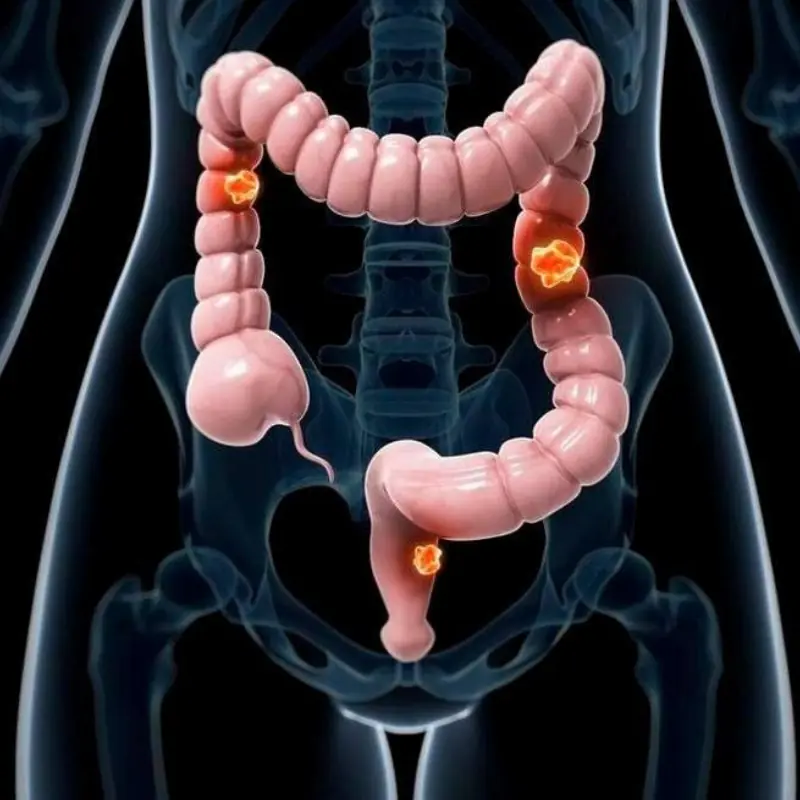
The symptoms of colon cancer can vary depending on the stage of the disease. In the early stages, some people may not experience any noticeable symptoms. However, as the disease progresses, several warning signs may appear.
One of the most common symptoms is a persistent change in bowel habits. This may include diarrhea, constipation, or a change in the consistency of stool that lasts for several weeks.
Another important symptom is blood in the stool. The blood may appear bright red or darker in color. Some people may also notice that their stool becomes thinner than usual.
Abdominal discomfort is also frequently reported. This can include cramps, gas, bloating, or persistent pain in the stomach area.
Other symptoms may include unexplained weight loss, fatigue, and a feeling that the bowel does not empty completely. Because these symptoms can also be caused by less serious conditions, many people delay seeking medical attention.
However, if these symptoms persist, it is important to consult a healthcare professional for proper evaluation.
Possible Causes and Risk Factors
Although the exact cause of colon cancer is not always clear, several factors are known to increase the risk.
Age is one of the most significant risk factors. Most cases occur in people over the age of 50, although younger adults can also develop the disease.
Family history also plays a role. Individuals who have close relatives with colon cancer may have a higher risk of developing it themselves.
Lifestyle factors can also contribute. Diets high in red or processed meat, low physical activity, smoking, and excessive alcohol consumption are associated with an increased risk of colon cancer.
In addition, certain medical conditions such as inflammatory bowel disease (IBD), including Crohn’s disease or ulcerative colitis, can increase the risk over time.
Why Early Detection Matters
Early detection is one of the most effective ways to reduce deaths from colon cancer. When the disease is discovered at an early stage, treatment options are more successful and less invasive.
Screening tests such as colonoscopy can detect abnormal growths in the colon before they develop into cancer. Doctors often recommend regular screening beginning at age 45 or earlier for people with higher risk factors.
By identifying precancerous polyps early, doctors can remove them and prevent cancer from developing.
Prevention and Healthy Habits
Although not all cases of colon cancer can be prevented, adopting healthy lifestyle habits can significantly reduce the risk.
Eating a balanced diet rich in fruits, vegetables, and whole grains may help support digestive health. Regular exercise and maintaining a healthy weight are also important protective factors.
Limiting alcohol consumption and avoiding smoking can further reduce the risk of developing colon cancer.
The Importance of Awareness
Colon cancer remains a serious health issue, but awareness and early action can make a huge difference. By understanding the symptoms, recognizing the risk factors, and undergoing regular screenings, people can greatly improve their chances of early diagnosis and successful treatment.