Possible Causes of Small Red Dots on the Skin
A person may notice small dots on their skin for many reasons, ranging from heat exposure to infections. Depending on a person’s skin tone, these dots may appear red, gray, darker than the surrounding skin, or similar in color.
Many causes are harmless and may resolve on their own, while others may require at-home treatment, over-the-counter (OTC) medication, or medical care.
Below are some possible causes, treatments, and when to contact a doctor.
Heat Rash
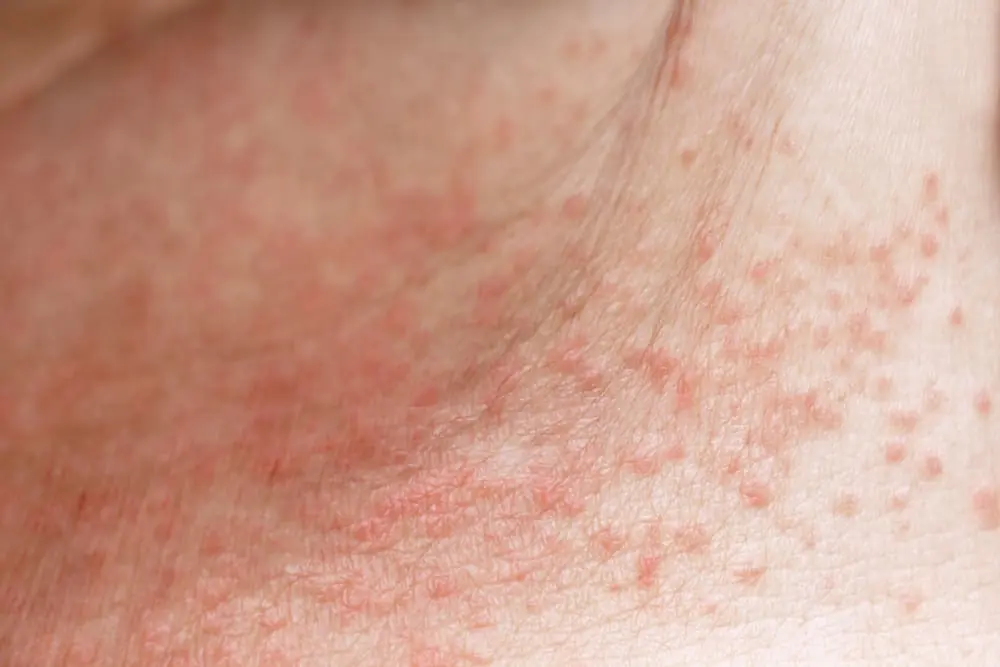
Heat rash, also known as miliaria, occurs when sweat glands become blocked, trapping sweat under the skin.
It can affect anyone but is most common in infants and young children.
Symptoms
-
Clusters of small bumps (papules)
-
Itchy or prickly sensation
-
Reduced sweating in the affected area
-
Occasionally dizziness or nausea
Treatment
Heat rash usually disappears within about 24 hours.
Helpful measures include:
-
Keeping the skin cool
-
Taking cool showers
-
Wearing loose, breathable clothing
-
Avoiding tight synthetic fabrics
-
Using soothing lotions to reduce irritation
Keratosis Pilaris
Keratosis pilaris (KP) is a common skin condition that causes tiny bumps that may be red, white, or the same color as the surrounding skin.
It most often appears on the upper arms and thighs, but can also occur on the forearms and upper back.
Symptoms
-
Rough or dry skin
-
Small painless bumps
-
Occasional itching
KP is sometimes called “chicken skin” or “strawberry skin.”
Treatment
Symptoms can improve with:
-
Moisturizers containing urea or lactic acid
-
Alpha hydroxy acids
-
Glycolic or lactic acid creams
-
Retinoids
-
Salicylic acid
-
Light therapy in some cases
Contact Dermatitis
Contact dermatitis occurs when the skin reacts to an irritant or allergen.
Symptoms
-
Red rash that may appear in patterns
-
Dry, cracked skin
-
Clusters of small red dots
-
Intense itching or burning
-
Fluid-filled blisters that may ooze or crust
Treatment
Treatment focuses on avoiding the substance that triggered the reaction.
Other strategies include:
-
Avoiding harsh skin care products
-
Avoiding certain jewelry metals such as nickel
-
Wearing protective clothing in environments with irritants
-
Using OTC hydrocortisone cream for mild cases
Doctors may prescribe stronger topical steroids if symptoms persist.
Atopic Dermatitis (Eczema)
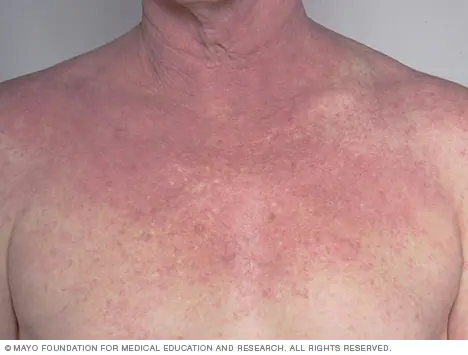
Atopic dermatitis is a chronic inflammatory skin condition and a common form of eczema.
Certain types can cause small raised bumps called papules that may appear pinkish-red or grayish-brown depending on skin tone.
Symptoms
-
Itchy skin
-
Warm or swollen areas
-
Dry, flaky patches
-
Small fluid-filled blisters that may crust over
Treatment
Management strategies include:
-
Prescription medications such as steroids or antihistamines
-
Light therapy
-
Regular use of moisturizers
-
Avoiding triggers such as stress, allergens, or dry air
Rosacea

Rosacea is a skin condition that causes inflammation and irritation, often affecting the face.
It commonly appears in middle age.
Symptoms
-
Persistent redness on the nose, cheeks, forehead, or chin
-
Visible blood vessels
-
Small bumps or pimples
-
Thickened facial skin in severe cases
-
Eye irritation or redness
Treatment
Common management strategies include:
-
Avoiding triggers such as alcohol or sun exposure
-
Washing the face with gentle cleansers
-
Using moisturizers and sunscreen (SPF 30 or higher)
Medical treatments may include medications, laser therapy, or surgery for severe cases.
Infections
Certain infections can also cause red dots on the skin.
Examples include:
Chickenpox or Shingles
These infections are caused by the varicella-zoster virus and typically produce itchy, fluid-filled blisters.
Rubella
Rubella causes a rash of small pink or red dots that often starts on the face and spreads to the body. It may also cause fever, headache, and swollen lymph nodes.
Meningitis
Meningitis is a serious infection affecting the brain and spinal cord membranes. In some cases, it causes small red or purple spots that do not fade when pressed.
MRSA Infection
Methicillin-resistant Staphylococcus aureus (MRSA) can cause painful inflamed skin areas, sometimes with pus and fever.
Scarlet Fever
This bacterial infection produces a rough rash made of tiny dots and may occur with fever and a sore throat.
Petechiae
Petechiae are small red or purple spots caused by bleeding under the skin. They are typically about 2 millimeters or smaller.
They can occur with many conditions, including:
-
Meningitis
-
Sepsis
-
Endocarditis
-
Leukemia
-
Vitamin K deficiency
-
Reactions to certain medications
Because petechiae can sometimes indicate serious illness, sudden appearance should be evaluated by a doctor.
When to Contact a Doctor
People should seek medical advice if:
-
A rash does not improve with home or OTC treatment
-
They develop a fever
-
They experience severe headache or neck pain
-
They have joint pain or stiffness
-
They experience dizziness or confusion
-
They have persistent vomiting or diarrhea
When to Seek Emergency Care
Immediate medical attention is necessary if a rash occurs with:
-
Difficulty breathing or swallowing
-
Swelling of the face or lips
-
Seizures
-
Severe neck stiffness
-
Sensitivity to light
-
Drowsiness or unresponsiveness
-
A painful rash affecting the eyes, mouth, or genitals
Summary
Small red or discolored dots on the skin can have many causes, ranging from mild conditions such as heat rash to serious infections.
Some rashes resolve with simple home care, but others require medical attention. Anyone with unusual, persistent, or severe symptoms should consult a healthcare professional to determine the underlying cause and appropriate treatment.