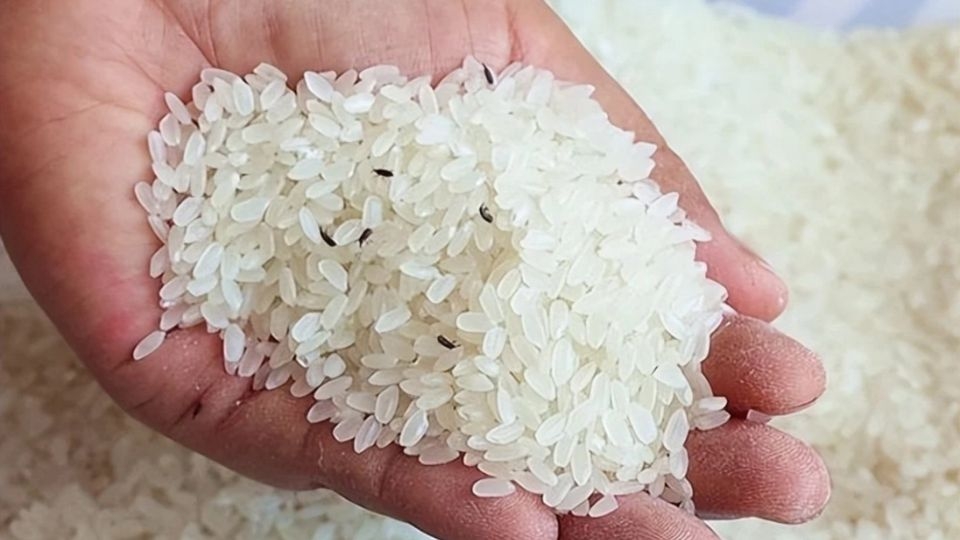
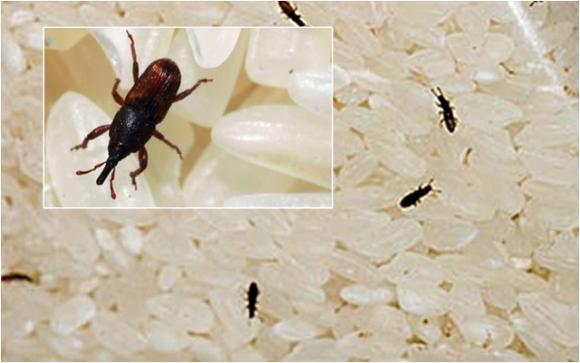
Rice is one of the most widely consumed staple foods in the world. In many households, rice is purchased in large quantities and stored for weeks or even months. However, improper storage can lead to common problems such as weevils (tiny grain insects), moisture buildup, and mold growth. These issues not only reduce the quality of the rice but can also lead to food waste.
Fortunately, with a few simple storage techniques, it is possible to keep rice fresh and safe for a long time. Proper storage focuses on controlling moisture, preventing insect contamination, and maintaining a clean storage environment. Below are several practical methods that can help protect rice from weevils and mold.
:quality(75)/2023_10_23_638336767522362494_mot-gao-1.jpg)
Keep Rice in Airtight Containers
One of the most effective ways to store rice is by placing it in airtight containers. Containers made from glass, food-grade plastic, or stainless steel help protect rice from air, moisture, and insects.
When rice is left in open bags or loosely sealed packaging, insects such as weevils can easily enter and lay eggs. Airtight containers create a barrier that prevents pests from reaching the grains.
In addition, airtight storage reduces exposure to humidity, which helps prevent mold from developing.
Store Rice in a Cool and Dry Place
Temperature and humidity play an important role in food storage. Rice should always be stored in a cool, dry place away from direct sunlight.
Warm temperatures and high humidity create the ideal environment for insects and mold to grow. A pantry, kitchen cabinet, or storage shelf away from heat sources such as stoves and ovens is usually the best location.
Maintaining good airflow in the storage area can also help reduce moisture buildup.
Use Natural Repellents
Some households use natural ingredients to help discourage insects from entering rice containers. Certain herbs and spices have strong aromas that insects tend to avoid.
For example, dried bay leaves, garlic cloves, or small pieces of dried chili pepper are sometimes placed inside rice containers. These natural items may help deter weevils without affecting the taste of the rice.
Although this method does not guarantee complete protection, it can provide an additional layer of prevention.
Freeze Rice Before Long-Term Storage
A useful trick for preventing insect problems is to freeze rice before storing it for long periods. Sometimes rice may already contain microscopic insect eggs that are not visible to the eye.
Placing rice in the freezer for about 48 hours can help eliminate these eggs before they hatch. After freezing, the rice should be allowed to return to room temperature before being placed in airtight containers.
This step can significantly reduce the chances of weevil infestations.
Keep Storage Containers Clean
Before adding new rice to a container, it is important to clean the container thoroughly. Leftover grains or dust from previous batches may attract insects or introduce mold spores.
Wash containers with warm water and mild soap, then allow them to dry completely before refilling them with rice. Ensuring that containers are completely dry is especially important because moisture can encourage mold growth.
Regular cleaning also helps maintain overall food safety in the kitchen.
Avoid Mixing Old and New Rice
Another common mistake in rice storage is mixing new rice with older rice. If the older rice already contains insects or moisture, it can contaminate the new batch.
It is better to finish the existing rice before adding a new supply. Alternatively, store new rice in a separate container.
This practice helps maintain freshness and reduces the risk of spreading contamination.
Monitor Rice Regularly
Even with good storage methods, it is helpful to check stored rice occasionally. Look for signs such as small insects, unusual odors, or clumps that may indicate moisture.
Early detection allows you to address problems before they spread to larger quantities of rice. If insects are noticed, affected rice should be discarded and storage containers should be cleaned thoroughly.
Regular inspection helps ensure that rice remains safe to consume.
Consider Smaller Storage Quantities
Although buying rice in bulk can be convenient, storing very large amounts may increase the risk of spoilage if it is not consumed quickly.
For households that do not cook rice frequently, purchasing smaller quantities may be a better option. This ensures that rice remains fresh and reduces the chance of long-term storage problems.
Proper portion planning can help maintain food quality while minimizing waste.
Conclusion
Rice is an important staple food, and proper storage is essential to keep it fresh and safe. Simple practices such as using airtight containers, storing rice in cool and dry places, freezing rice before long-term storage, and keeping containers clean can greatly reduce the risk of weevils and mold.
Adding natural repellents, avoiding mixing old and new rice, and checking stored grains regularly also help maintain quality. By following these simple storage methods, households can protect their rice supply and ensure that it remains fresh and ready to use for months.