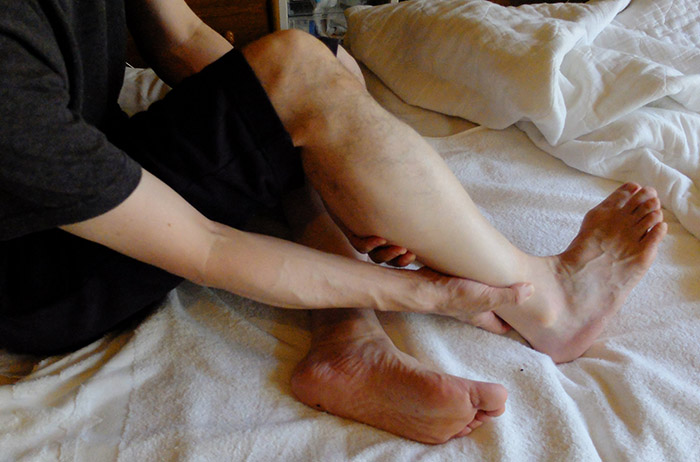
Waking up suddenly in the middle of the night because of a painful leg cramp can be an uncomfortable and frustrating experience. Nighttime leg cramps often occur in the calf muscles, although they can also affect the feet or thighs. The muscles suddenly tighten and become hard, causing sharp pain that may last from a few seconds to several minutes.
Many people experience these cramps occasionally, especially after physical activity or dehydration. However, frequent nighttime leg cramps may sometimes be the body’s way of signaling that something needs attention. Understanding the possible causes can help people identify ways to reduce or prevent these painful episodes.
Dehydration and Fluid Imbalance
One common cause of nighttime leg cramps is dehydration. The body relies on proper fluid balance to maintain normal muscle function. When the body lacks sufficient fluids, muscles may become more prone to sudden contractions.
During the day, people lose fluids through sweating, physical activity, and normal body processes. If fluid intake is too low, muscles may not function properly, especially during rest at night.
Drinking enough water throughout the day helps support muscle function and may reduce the risk of cramps.

Low Levels of Important Minerals
Muscles depend on certain minerals - often called electrolytes to function correctly. These include potassium, magnesium, calcium, and sodium. These minerals help regulate nerve signals and muscle contractions.
If the body has an imbalance of these nutrients, muscles may become more sensitive and prone to cramping. This is why leg cramps are sometimes associated with nutritional deficiencies or excessive sweating.
Eating a balanced diet that includes fruits, vegetables, whole grains, and dairy products can help provide the minerals needed for healthy muscle activity.
Muscle Fatigue
Overuse of muscles during the day can also contribute to nighttime cramps. Physical activities such as long walks, intense exercise, or standing for extended periods may lead to muscle fatigue.
When muscles are tired, they may contract involuntarily while the body is resting. This can cause sudden cramps during sleep.
Gentle stretching before bedtime and maintaining moderate exercise habits may help reduce muscle tension and improve flexibility.
Poor Blood Circulation
Proper circulation is essential for delivering oxygen and nutrients to the muscles. In some cases, restricted blood flow to the legs may contribute to nighttime cramps.
Sitting or standing in the same position for long periods may limit circulation to the lower limbs. When muscles do not receive adequate blood flow, they may become more prone to spasms.
Regular movement during the day and simple stretching exercises can help promote better circulation.

Nerve Compression
Another possible cause of leg cramps is pressure on certain nerves in the body. Nerves that control the muscles of the legs originate in the spine. If these nerves become compressed or irritated, muscle cramps may occur.
Certain spinal conditions or poor posture may contribute to nerve compression. In these situations, cramps may be accompanied by other symptoms such as tingling or numbness.
If cramps are persistent and associated with other unusual sensations, medical evaluation may be helpful.
Effects of Certain Medications
Some medications can increase the likelihood of muscle cramps as a side effect. For example, certain medications used to treat blood pressure, cholesterol levels, or fluid retention may affect electrolyte balance or muscle function.
Individuals who experience frequent cramps after starting a new medication should discuss their symptoms with a healthcare professional. Adjustments to medication or dosage may sometimes help reduce these effects.
Pregnancy and Hormonal Changes
Nighttime leg cramps are common during pregnancy, especially in the later stages. Hormonal changes, increased body weight, and pressure on nerves and blood vessels may contribute to muscle cramps.
In many cases, gentle stretching, staying hydrated, and maintaining proper nutrition may help reduce discomfort during pregnancy.
Aging and Muscle Changes
As people age, muscle mass and flexibility naturally decline. Older adults may also experience changes in circulation and nerve function.
These factors can increase the likelihood of muscle cramps during rest or sleep. Maintaining regular physical activity and stretching routines can help support muscle health as the body ages.
Ways to Prevent Nighttime Leg Cramps
Although occasional cramps may be unavoidable, several lifestyle habits may help reduce their frequency.
Staying well hydrated throughout the day is one of the most important steps. Drinking water regularly supports normal muscle function and electrolyte balance.
Regular stretching exercises, especially for the calves and legs, can improve flexibility and reduce muscle tension. Stretching before bedtime may be particularly helpful.
Maintaining balanced nutrition that includes essential minerals such as potassium and magnesium also supports healthy muscle activity.
Comfortable sleeping positions and supportive mattresses may further reduce pressure on muscles and nerves.
When to Seek Medical Advice
Most nighttime leg cramps are harmless and temporary. However, frequent or severe cramps that interfere with sleep or daily activities may require medical attention.
A healthcare professional can help determine whether underlying conditions - such as circulation problems, nerve issues, or metabolic imbalances - may be contributing to the symptoms.
Early evaluation allows appropriate treatment and reassurance when necessary.
Conclusion
Nighttime leg cramps can be painful and disruptive, but they are often the result of common factors such as dehydration, mineral imbalance, muscle fatigue, or circulation issues. In some cases, they may also be related to nerve pressure, medication effects, pregnancy, or aging.
By paying attention to hydration, nutrition, physical activity, and stretching habits, many people can reduce the frequency of these uncomfortable cramps. Listening to the body’s signals and maintaining healthy lifestyle habits can play an important role in supporting muscle health and overall well-being.