9 Silent Signs of a Brain Blood Clot That May Appear Weeks Before a Stroke
A stroke is one of the most serious medical emergencies, often occurring suddenly and without warning. However, in many cases, the body actually sends subtle signals weeks or even months before a stroke happens. These signals may be caused by a developing blood clot or reduced blood flow to the brain.
Recognizing these early warning signs can be life-saving. Many people ignore mild symptoms because they seem temporary or harmless. Yet, these “silent signals” may indicate that the brain is struggling to receive enough oxygen-rich blood.
Understanding these symptoms can help individuals seek medical attention early and potentially prevent a stroke.
1. Sudden or Frequent Severe Headaches



One of the most common early signs of a possible brain blood clot is a sudden, intense headache that feels different from usual headaches.
This headache may appear without a clear cause and may be accompanied by:
-
Pressure in the head
-
Nausea
-
Sensitivity to light
-
Dizziness
Because reduced blood flow to the brain can trigger nerve irritation, these headaches may occur repeatedly before a stroke develops.
2. Temporary Vision Problems


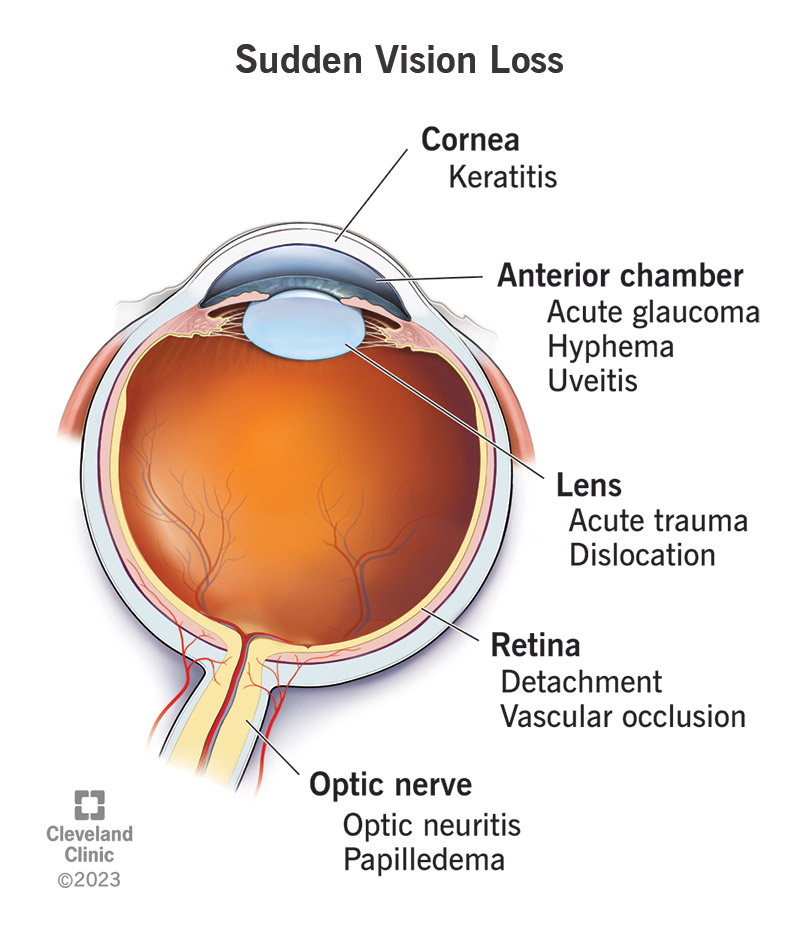
Vision disturbances are another warning sign that should not be ignored. Reduced blood flow to the brain areas responsible for vision can cause symptoms such as:
-
Blurred vision
-
Double vision
-
Temporary vision loss in one eye
-
Difficulty focusing
These symptoms may last only a few minutes, which is why many people dismiss them. However, even temporary visual disturbances may signal a transient interruption of blood supply to the brain.
3. Numbness or Tingling in the Body

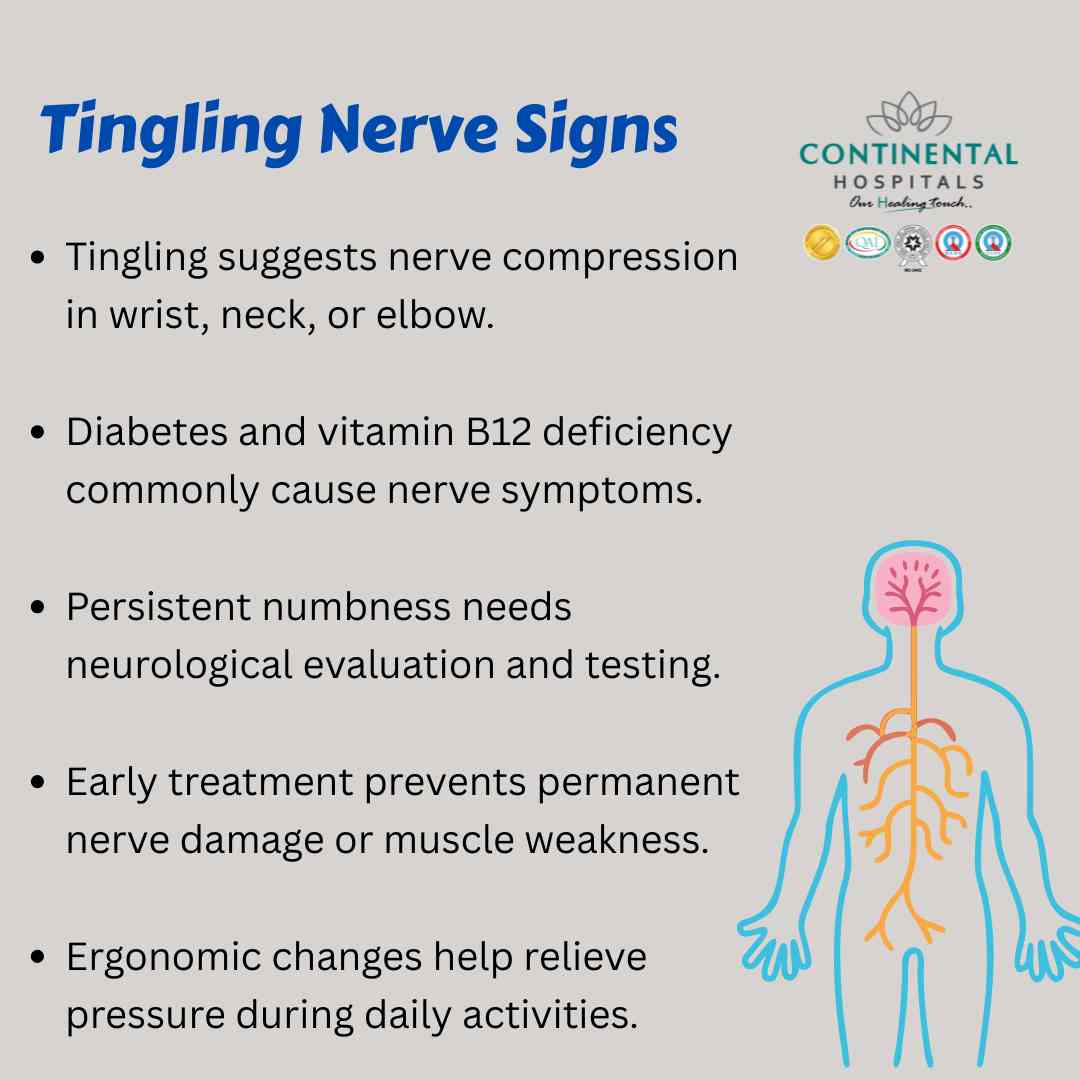

A developing clot may affect nerve signals, leading to numbness or tingling sensations, especially on one side of the body.
Common areas affected include:
-
Face
-
Arm
-
Hand
-
Leg
If these sensations occur suddenly or repeatedly, they could be an early indicator that the brain’s blood supply is temporarily compromised.
4. Difficulty Speaking

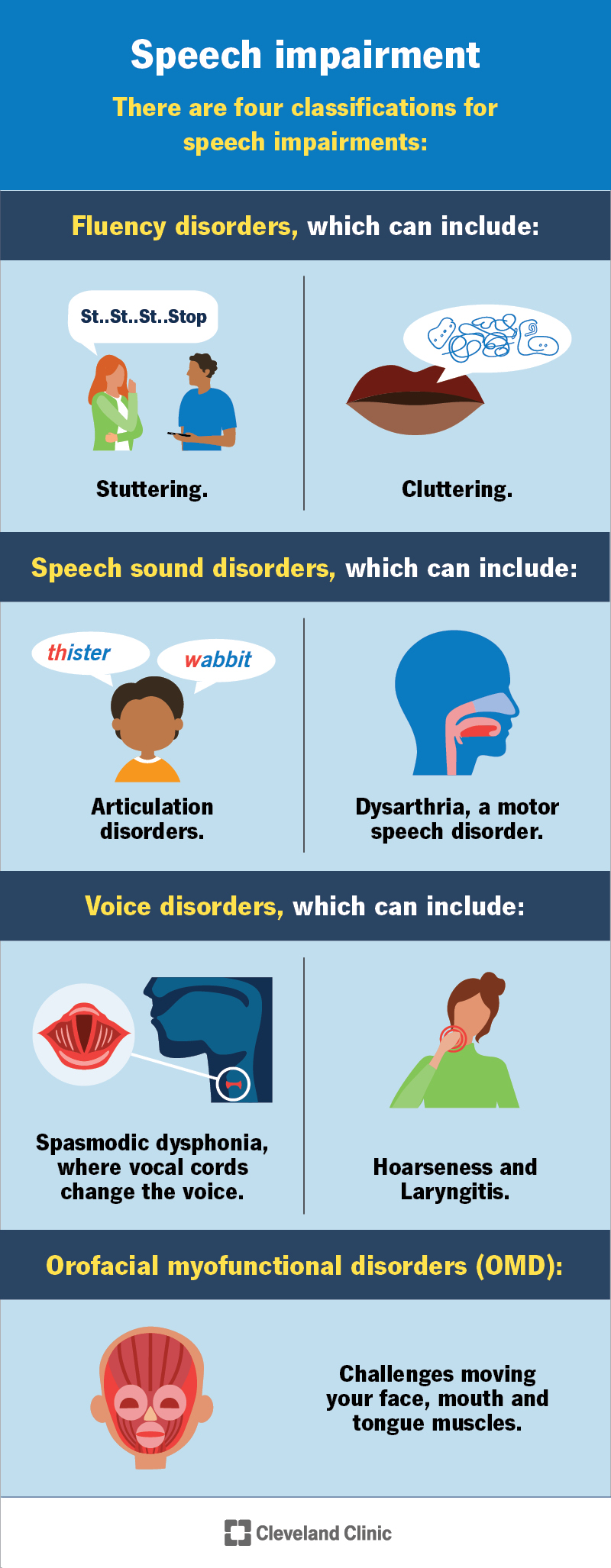
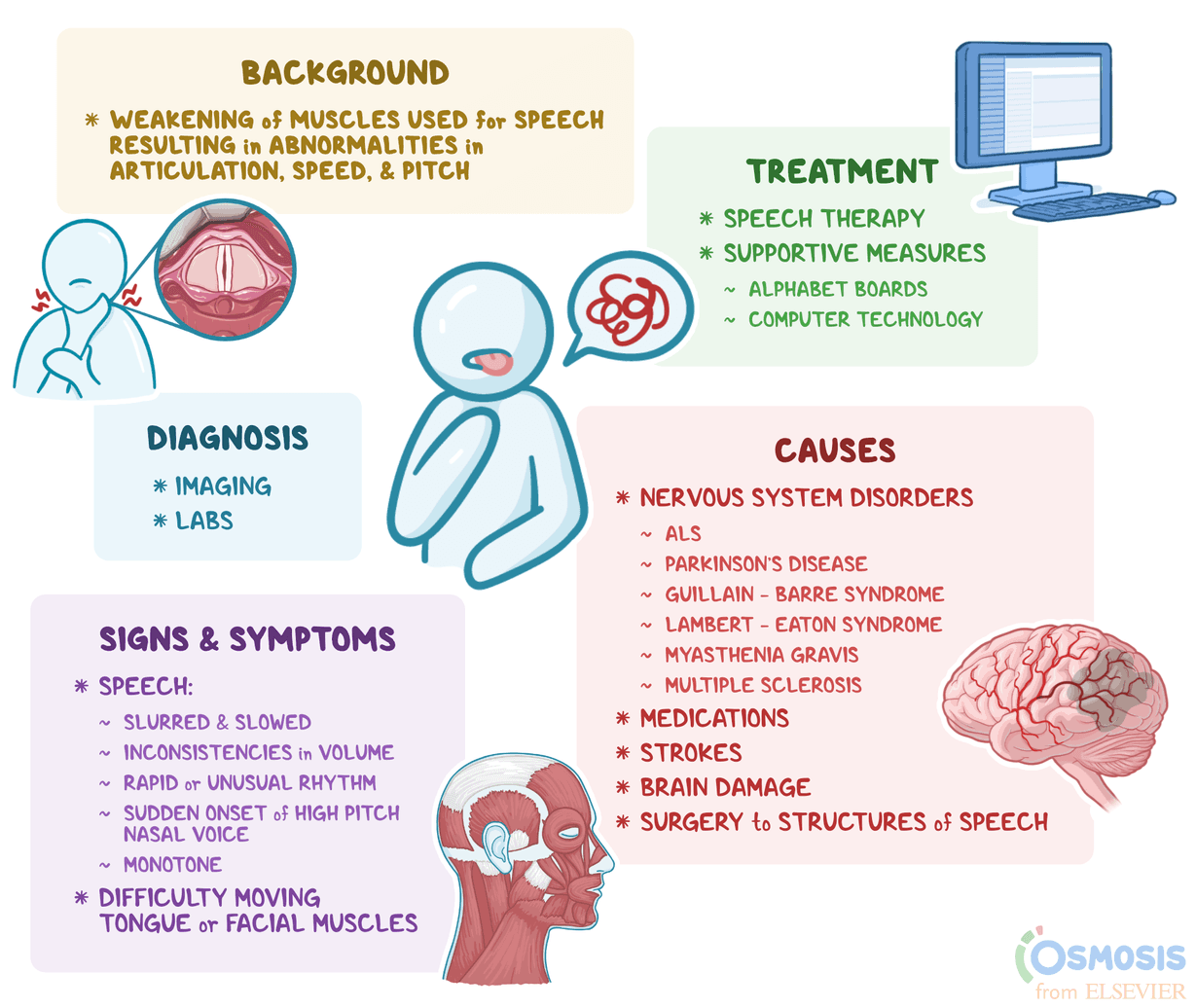
Speech problems are one of the most recognizable stroke warning signs. However, mild speech changes may occur earlier without being noticed.
Possible symptoms include:
-
Slurred speech
-
Difficulty forming words
-
Confusion during conversation
-
Trouble understanding others
These symptoms occur when blood flow to areas of the brain responsible for language becomes restricted.
5. Unexplained Dizziness or Loss of Balance


The brain controls coordination and balance. When circulation is disrupted, people may experience sudden dizziness or difficulty walking.
Signs may include:
-
Feeling lightheaded
-
Trouble maintaining balance
-
Unsteady walking
-
Sudden weakness
These symptoms may appear briefly and disappear, but they should still be taken seriously.
6. Sudden Weakness on One Side of the Body
Weakness affecting one side of the body is a classic stroke warning sign. However, mild weakness may occur earlier before a major event.
For example, someone may notice:
-
Difficulty lifting objects
-
A weak grip in one hand
-
A feeling of heaviness in one arm or leg
These symptoms may indicate reduced communication between the brain and muscles.
7. Unusual Fatigue
Persistent fatigue without a clear cause can sometimes occur when the brain is not receiving adequate oxygen.
People may feel:
-
Extremely tired
-
Mentally foggy
-
Unable to concentrate
Although fatigue alone does not confirm a stroke risk, it can be significant when combined with other symptoms.
8. Facial Changes
Another warning sign involves subtle changes in facial movement, such as slight drooping on one side of the face.
People may notice:
-
Uneven smiles
-
Difficulty closing one eye
-
Facial numbness
These symptoms occur because facial muscles are controlled by brain signals that may be disrupted.
9. Mini-Strokes (Transient Ischemic Attacks)
A transient ischemic attack (TIA) is often referred to as a “mini-stroke.” It occurs when blood flow to the brain is temporarily blocked but quickly restored.
Symptoms may include:
-
Temporary weakness
-
Vision changes
-
Confusion
-
Speech difficulty
Although symptoms disappear within minutes or hours, TIAs are one of the strongest warnings that a major stroke may occur later.
When to Seek Medical Help
If any of these symptoms appear suddenly—even if they disappear quickly—medical evaluation is essential. Early treatment can significantly reduce the risk of severe brain damage.
Doctors often recommend remembering the FAST stroke warning signs:
-
F – Face drooping
-
A – Arm weakness
-
S – Speech difficulty
-
T – Time to call emergency services
Prompt action can make the difference between recovery and permanent disability.
Final Thoughts
The body often sends subtle signals before serious medical events occur. Recognizing these silent signs of a possible brain blood clot may help prevent a life-threatening stroke.
Paying attention to unusual symptoms and seeking medical advice when necessary can protect brain health and potentially save lives.