Oral health plays a crucial role in overall well-being, yet many people tend to ignore small changes inside the mouth. Slight redness, swelling around the gums, or bleeding during brushing may seem minor at first, but dentists warn that these symptoms can sometimes be the earliest signs of developing gum disease.
The image highlighting the area between the teeth and gums serves as a reminder that early warning signs often appear in places people rarely notice. Understanding these symptoms can help individuals act quickly and protect their dental health before more serious issues develop.
Why gum health matters
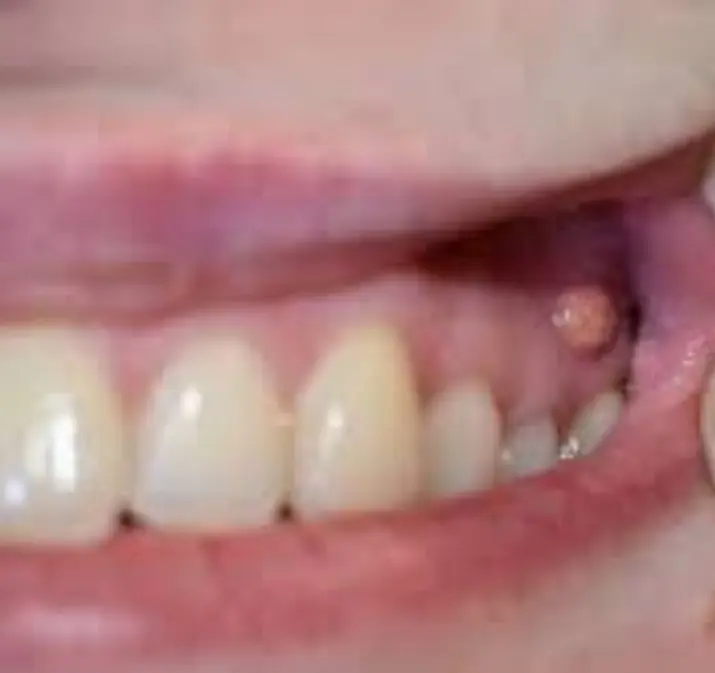
Healthy gums are the foundation of strong teeth. They hold the teeth in place and protect the roots from bacteria and infection. When gums become irritated or inflamed, harmful bacteria can accumulate along the gum line and gradually cause damage.
If untreated, gum problems can progress from mild inflammation to more serious conditions such as periodontal disease, which may eventually lead to tooth loss.
Dentists emphasize that early detection is the best way to prevent complications.
One of the earliest signs: gum inflammation
One of the most common early symptoms is mild swelling or redness around the gum line. This condition, known as gingivitis, occurs when plaque—a sticky film of bacteria—builds up on teeth.
Plaque forms naturally throughout the day, especially after eating. If it is not removed through regular brushing and flossing, it can irritate the gums and cause inflammation.
People with gingivitis may notice that their gums appear slightly puffy or darker in color than usual.
Bleeding while brushing or flossing
Another early sign that should not be ignored is bleeding gums. Many people assume bleeding during brushing is normal, but dentists say this often indicates gum irritation.
When plaque accumulates along the gum line, it weakens the delicate tissue surrounding the teeth. Even gentle brushing may cause bleeding in affected areas.
If bleeding occurs frequently, it may be a sign that gum health needs attention.
Receding gums and tooth sensitivity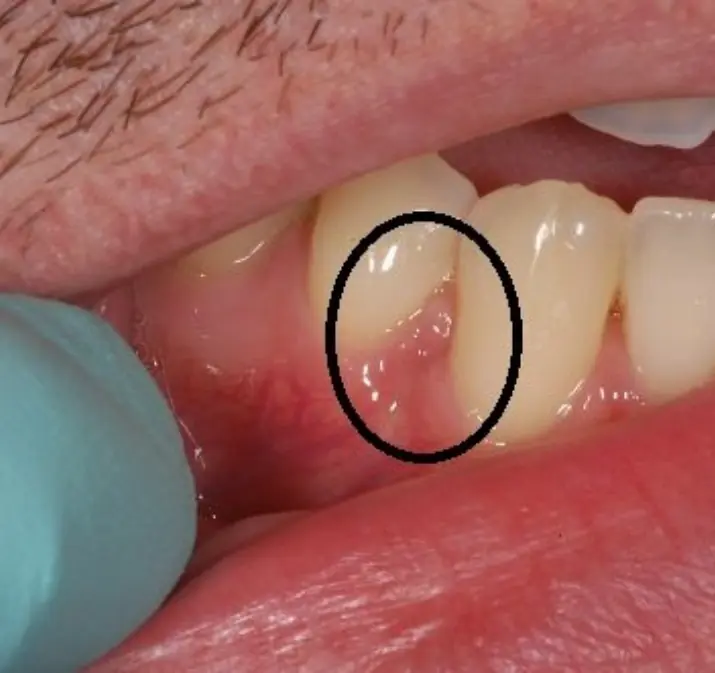
As gum disease progresses, the gum tissue may begin to pull away from the teeth. This condition is known as gum recession.
When gums recede, the roots of the teeth become more exposed, which can lead to increased sensitivity to hot, cold, or sweet foods.
People may also notice that their teeth appear slightly longer than before. This change may happen gradually and can easily go unnoticed until it becomes more severe.
Persistent bad breath
Chronic bad breath is another possible indicator of gum problems. Bacteria trapped between the teeth and gums can produce unpleasant odors that remain even after brushing.
If bad breath persists despite good oral hygiene, it may signal bacterial buildup or gum infection.
What causes these symptoms?
Several factors can contribute to gum irritation and early gum disease. Poor oral hygiene is one of the most common causes, but other factors may also play a role.
Smoking, stress, hormonal changes, certain medications, and underlying health conditions can all affect gum health.
Diet also matters. A lack of vitamins and nutrients may weaken gum tissue and reduce the body’s ability to fight infection.
Simple steps to protect gum health
Fortunately, early gum problems can often be reversed with proper care.
Brushing teeth twice a day, flossing daily, and using antibacterial mouthwash can help reduce plaque buildup. Regular dental checkups are also important because dentists can detect early signs of gum disease before symptoms become severe.
Maintaining a balanced diet rich in vitamins and minerals can also support stronger gums and overall oral health.
Listen to the small warning signs
The highlighted area between the teeth and gums in the image demonstrates how subtle early symptoms can be. Many people overlook these small changes until discomfort becomes more noticeable.
By paying attention to early warning signs such as gum redness, swelling, or bleeding, individuals can take action early and prevent more serious dental problems in the future.