Walls that begin to show signs of mold, blistering paint, or peeling surfaces are a common problem in many homes. These issues can appear suddenly and often make rooms look old, damaged, or poorly maintained. Many homeowners immediately think they need to hire a technician or repaint the entire wall, but in reality, the problem can sometimes be solved with a simple do-it-yourself method.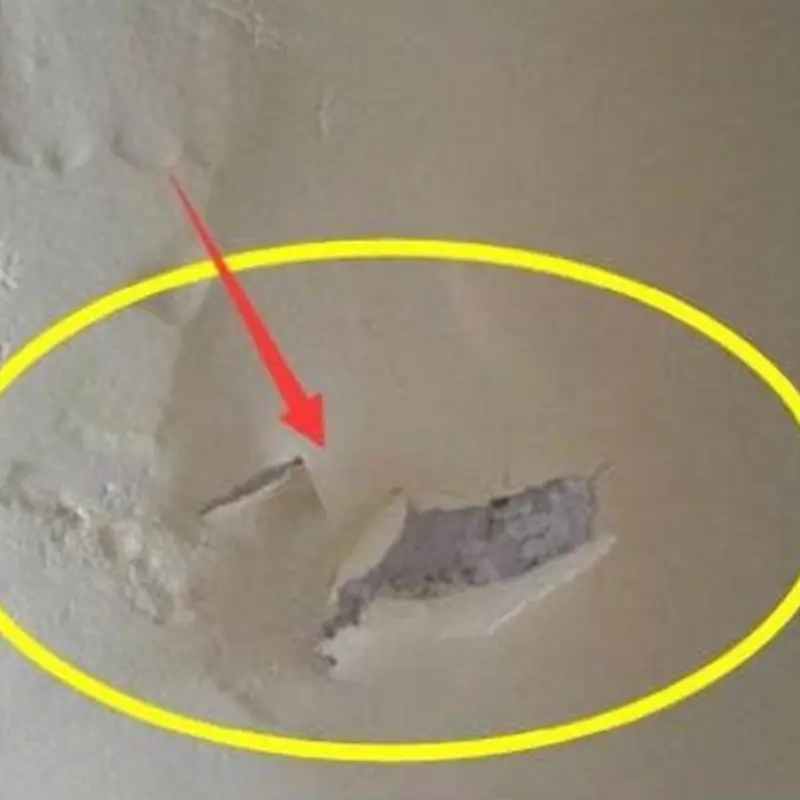
Home improvement experts say that early signs of wall damage are often caused by moisture buildup, poor ventilation, or aging paint layers. When moisture gets trapped inside the wall surface, it can cause paint to bubble, crack, or peel away. In humid environments, mold may also begin to develop in these damaged areas.
Fortunately, with a few simple steps and basic household tools, you may be able to fix the problem without expensive repairs.
Why walls become moldy or start peeling
One of the most common causes of wall damage is excess humidity. Bathrooms, kitchens, and poorly ventilated rooms tend to accumulate moisture over time. When moisture penetrates the paint layer, it weakens the bond between the paint and the wall surface.
As a result, the paint may begin to blister or bubble. Eventually, sections of the paint can peel away, exposing the plaster or concrete underneath. If moisture continues to build up, mold spores may develop in these damaged areas.
Another common reason for peeling paint is poor preparation before painting. If the wall surface was not properly cleaned or primed, the paint may fail to adhere correctly, leading to peeling over time.
A simple DIY repair method
Before calling a technician, you can try a straightforward repair process that many home maintenance experts recommend.
First, carefully remove the damaged paint using a scraper or sandpaper. It is important to eliminate all loose or peeling sections so that the wall surface becomes smooth and stable. Be gentle during this step to avoid damaging the underlying wall.
Next, clean the area thoroughly. If mold is present, wiping the surface with a mild cleaning solution can help eliminate spores and prevent further growth. Allow the wall to dry completely before moving on to the next step.
Once the wall is dry, apply a thin layer of wall filler or patching compound to cover cracks or uneven areas. This helps restore a smooth surface for repainting.
After the filler dries, lightly sand the area again to ensure the surface is even. Finally, apply a primer and a fresh coat of paint to seal and protect the wall.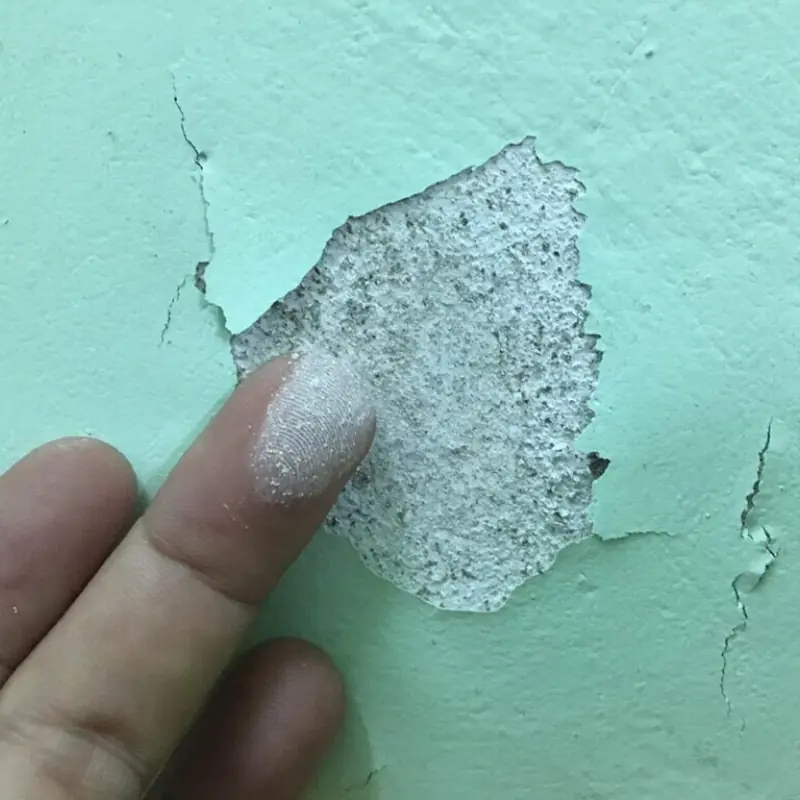
Prevention is the key
While repairing the wall can restore its appearance, preventing the issue from returning is equally important.
Proper ventilation is essential in rooms that produce a lot of moisture. Opening windows, using exhaust fans, or installing dehumidifiers can help reduce humidity levels and protect wall surfaces.
Additionally, using high-quality paint designed for humid environments can improve durability and reduce the likelihood of peeling.
Regularly inspecting walls for early signs of damage can also help homeowners address small problems before they become larger and more expensive to repair.
Save money with simple solutions
The image of peeling paint highlighted by a circle reminds homeowners how small wall problems can quickly become noticeable. However, many of these issues do not require professional repair services.
By understanding the cause of mold, blistering, or peeling paint, and by applying simple repair techniques, homeowners can often restore their walls quickly and affordably.
Sometimes, a little knowledge and a few basic tools are all it takes to bring damaged walls back to life and keep a home looking clean, fresh, and well maintained.