Refrigerators are among the most essential appliances in any household, running continuously to keep food fresh and safe. Because they operate 24/7, they also account for a significant portion of household electricity consumption. While many people focus on choosing energy-efficient models, few realize that a small, often overlooked feature inside their refrigerator can help reduce energy usage and lower electricity bills.
This “hidden” feature is typically a temperature control or seasonal adjustment switch, and understanding how to use it properly can make a noticeable difference in both performance and energy savings.
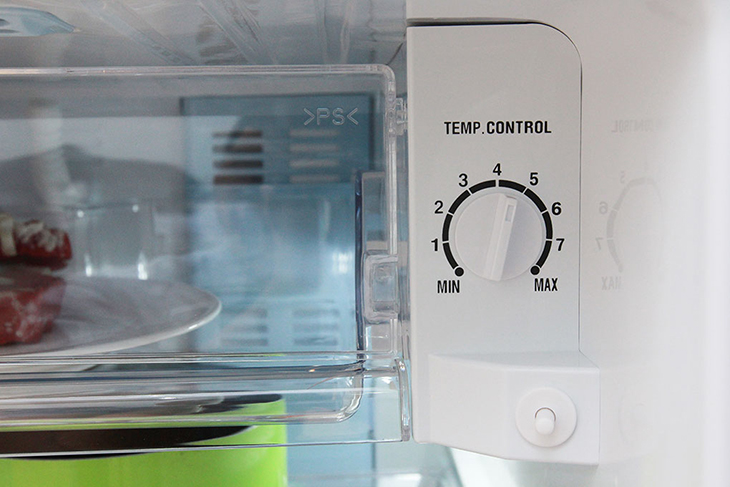
What Is This “Small Button”?
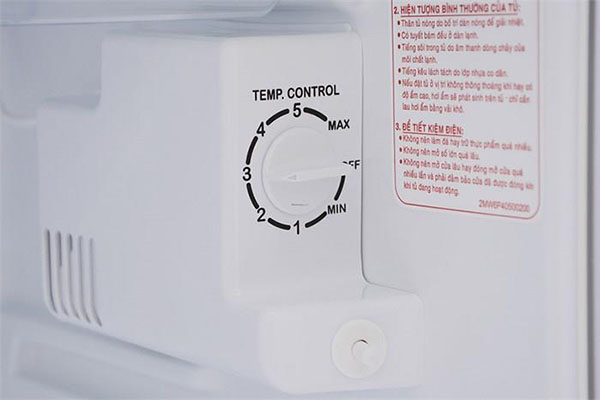
In many refrigerators—especially traditional or non-smart models—you’ll find a small dial, switch, or button located:
- Inside the fridge compartment
- Near the temperature control panel
- Sometimes labeled as “Winter/Summer,” “Eco Mode,” or simply numbered settings
This control regulates how hard the refrigerator’s compressor works to maintain internal temperature. While it may seem like a simple setting, it plays a key role in energy consumption.
How It Affects Energy Usage
Your refrigerator works by cycling its compressor on and off to maintain a stable internal temperature. The intensity and frequency of this cycle depend on:
- External room temperature
- Internal temperature settings
- Frequency of door opening
When the setting is too high, the compressor runs more often than necessary, consuming extra electricity. When set appropriately, it maintains efficiency without overworking the system.
Seasonal Adjustment: A Key Factor
One of the most common uses of this button or dial is seasonal adjustment.
In Hot Weather (Summer)
During warmer months, the refrigerator needs to work harder to keep food cool. A slightly higher setting ensures proper cooling but also increases energy consumption.
In Cooler Weather (Winter)
In colder months, the surrounding temperature is lower, meaning the fridge doesn’t need to work as hard. Reducing the setting can save energy without compromising food safety.
Many people forget to adjust this setting throughout the year, leading to unnecessary electricity usage.

Common Mistakes People Make
Despite having this feature, many users unknowingly misuse it:
1. Setting It Too High All the Time
Keeping the refrigerator at the coldest setting year-round increases energy consumption and may even freeze certain foods unnecessarily.
2. Ignoring Environmental Conditions
Not adjusting the settings based on room temperature forces the appliance to work harder than needed.
3. Frequent Door Opening
Even with optimal settings, constantly opening the fridge allows cold air to escape, causing the compressor to run more frequently.
Additional Energy-Saving Tips
While the small button or dial is important, combining it with good habits can maximize efficiency:
- Keep the fridge well-stocked but not overcrowded to maintain airflow
- Check door seals regularly to prevent cold air leakage
- Allow hot food to cool before placing it inside
- Clean the condenser coils periodically to improve efficiency
- Set the ideal temperature (around 3–5°C for the fridge and -18°C for the freezer)
Modern Refrigerators and Smart Features
Newer refrigerator models often include advanced features such as:
- Eco mode
- Automatic temperature adjustment
- Smart sensors that detect usage patterns
While these technologies simplify energy management, the basic principle remains the same: efficient temperature control reduces energy consumption.
Why This Small Detail Matters
It may seem insignificant, but small adjustments can lead to meaningful savings over time. Since refrigerators run continuously, even a slight reduction in energy usage can:
- Lower monthly electricity bills
- Extend the lifespan of the appliance
- Reduce environmental impact
Many households overlook this simple feature, missing out on an easy way to improve efficiency.
Conclusion
A small button or dial inside your refrigerator may not look important, but it plays a crucial role in how efficiently your appliance operates. By understanding and adjusting this feature according to seasonal and environmental conditions, you can significantly reduce unnecessary energy consumption.
In a world where energy costs continue to rise, simple actions like this can make a real difference. Sometimes, the key to saving money and improving efficiency is not about major changes - but about paying attention to the small details we often ignore.