6 Symptoms That May Appear When Cancer Reaches an Advanced Stage
Cancer is a complex disease that develops when abnormal cells grow uncontrollably in the body. In its early stages, cancer may produce few noticeable symptoms, which is why regular medical checkups are so important. However, as the disease progresses, the body may begin to show more obvious signs that something serious is happening.
Advanced-stage cancer—often called stage IV—means that cancer cells have spread beyond the original site to other organs or tissues. At this point, the body may experience multiple physical changes as it tries to cope with the disease.
While these symptoms do not always mean cancer has reached its final stage, persistent or severe signs should always be evaluated by a medical professional.
1. Persistent and Severe Fatigue



One of the most common symptoms reported by people with advanced cancer is intense and persistent fatigue.
This type of fatigue is different from normal tiredness. It may occur even after adequate rest and can make everyday activities extremely difficult.
Possible causes include:
-
The body using large amounts of energy to fight disease
-
Reduced red blood cell levels (anemia)
-
Side effects from treatments such as chemotherapy or radiation
Cancer-related fatigue may affect both physical and mental energy levels.
2. Unexplained Weight Loss

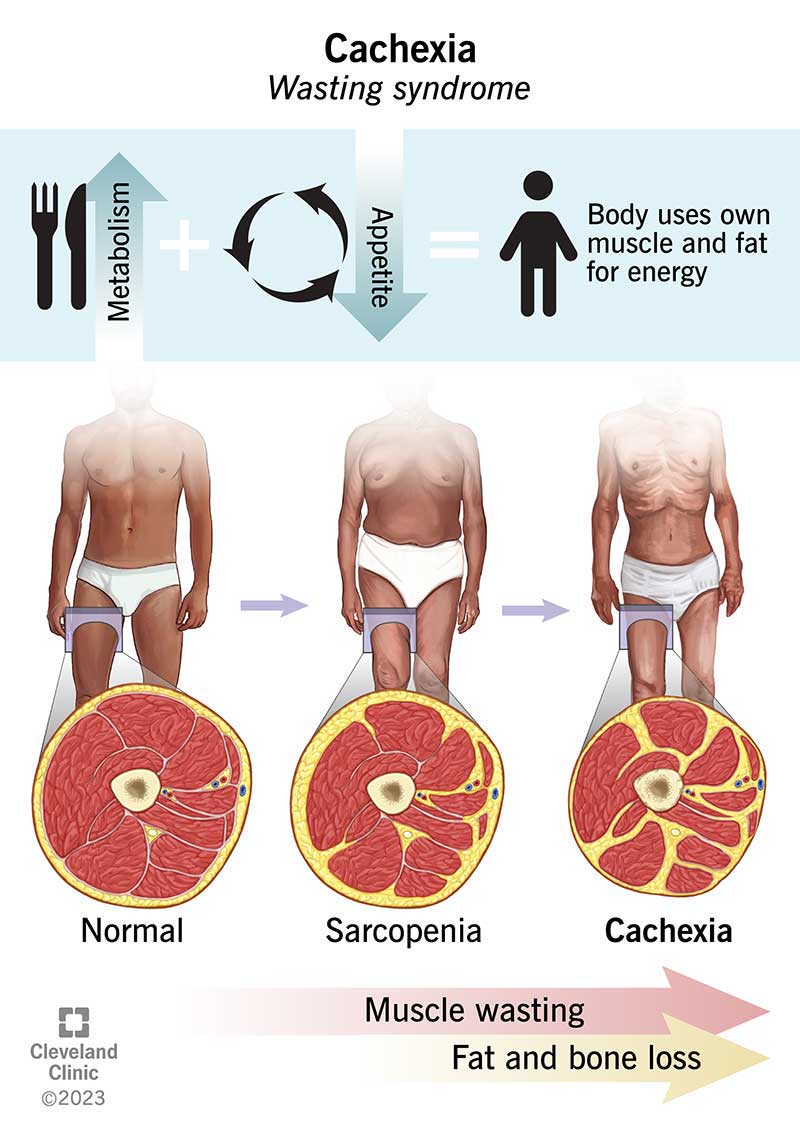

Another warning sign that may appear in advanced illness is rapid, unexplained weight loss.
Many cancer patients experience a condition known as cancer cachexia, where the body loses muscle mass and fat even when the person is eating normally.
Symptoms may include:
-
Noticeable body weakness
-
Loss of appetite
-
Difficulty maintaining body weight
Weight loss that occurs without changes in diet or activity should always be evaluated by a healthcare provider.
3. Persistent Pain
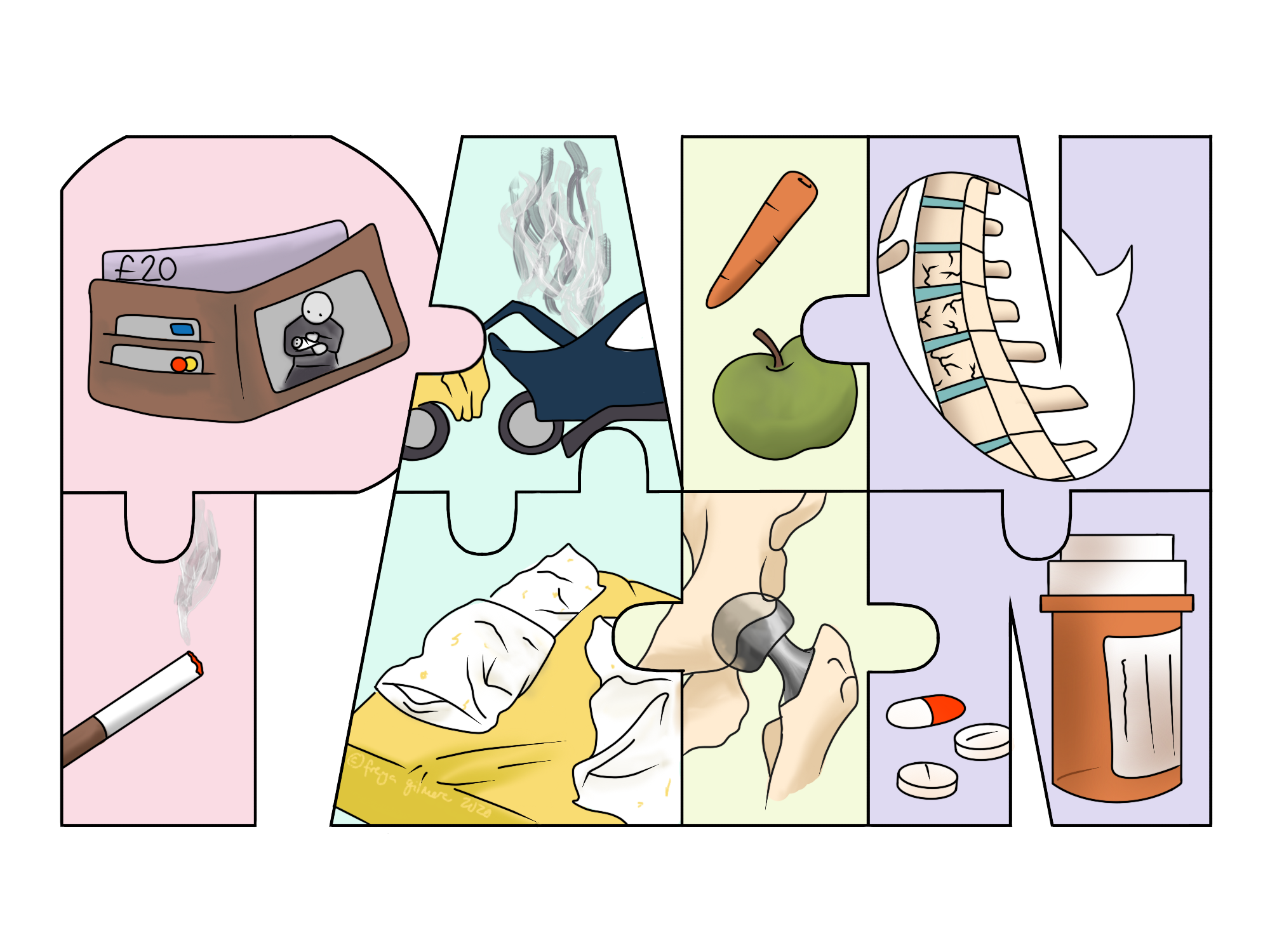

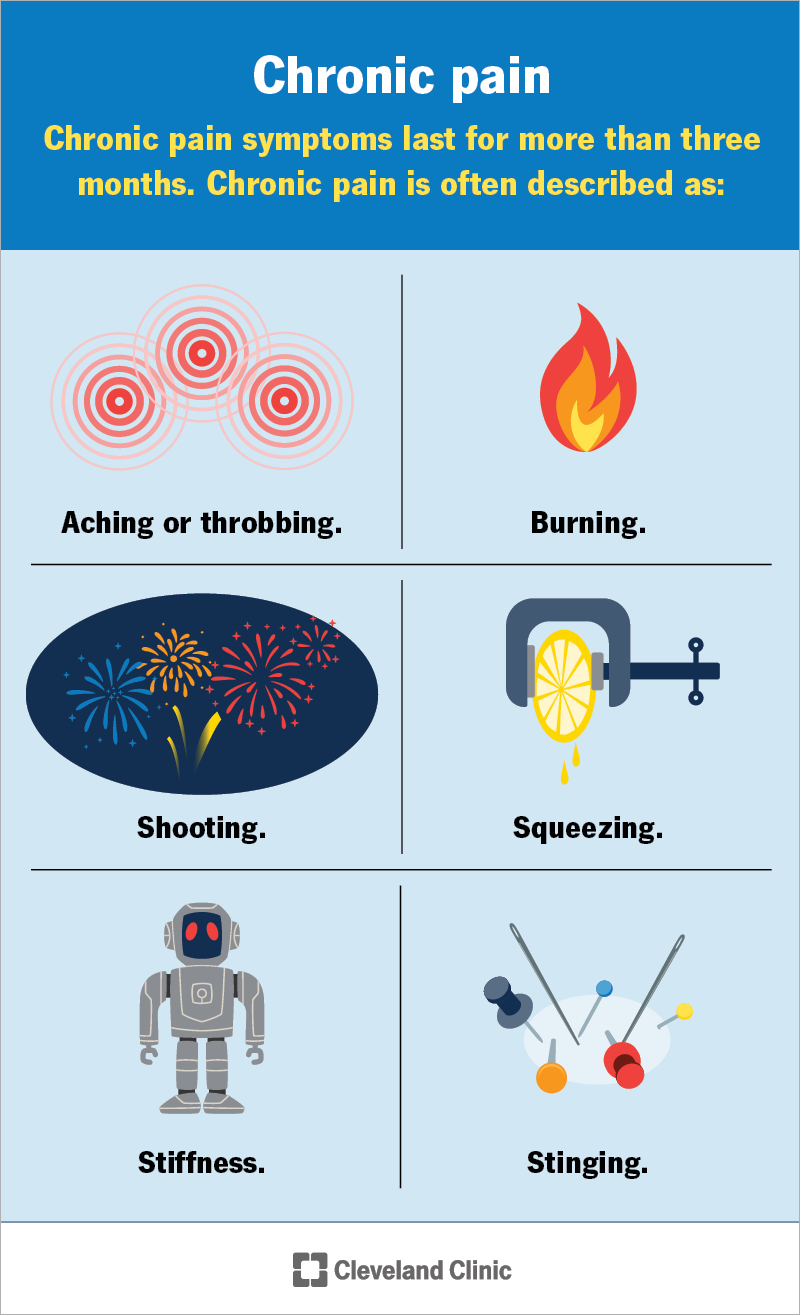
Pain can occur when tumors grow large enough to press on surrounding tissues, nerves, or organs.
Depending on where cancer develops, pain may appear in different areas of the body such as:
-
Bones
-
Back
-
Abdomen
-
Chest
In advanced cases, pain may become more frequent or intense, requiring specialized medical care to manage discomfort.
4. Breathing Difficulties


Shortness of breath can occur if cancer spreads to the lungs or affects the body’s ability to deliver oxygen efficiently.
People may experience:
-
Rapid breathing
-
Chest discomfort
-
Persistent cough
-
Difficulty performing simple physical activities
Breathing problems should always be treated as serious symptoms that require medical evaluation.
5. Skin Changes or New Lesions


Changes in the skin may also occur as the body responds to disease.
Possible signs include:
-
New or changing moles
-
Unusual skin spots or lesions
-
Darkening or yellowing of the skin
-
Persistent itching or irritation
These changes may sometimes be related to cancer spreading to the skin or affecting liver function.
6. Frequent Infections

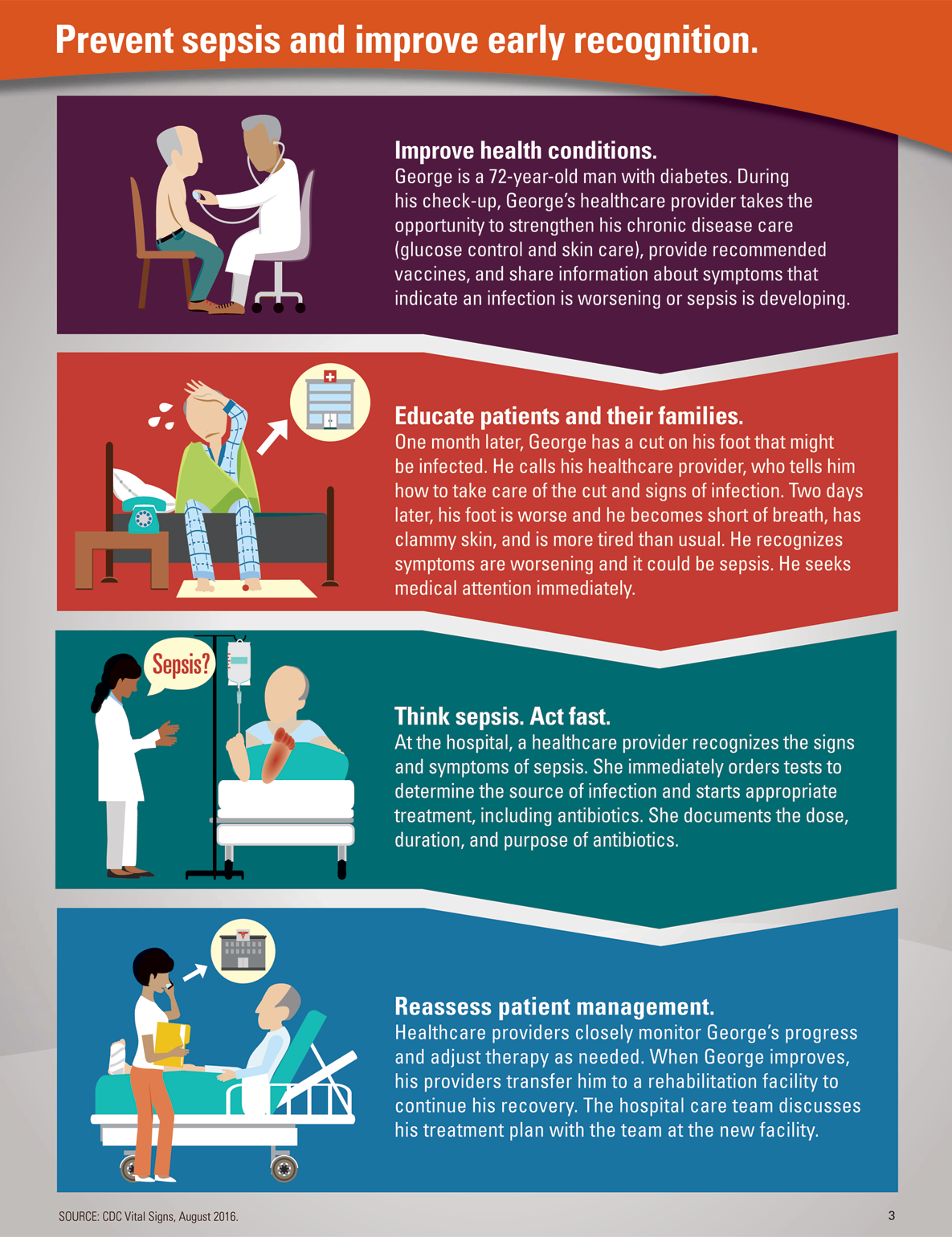
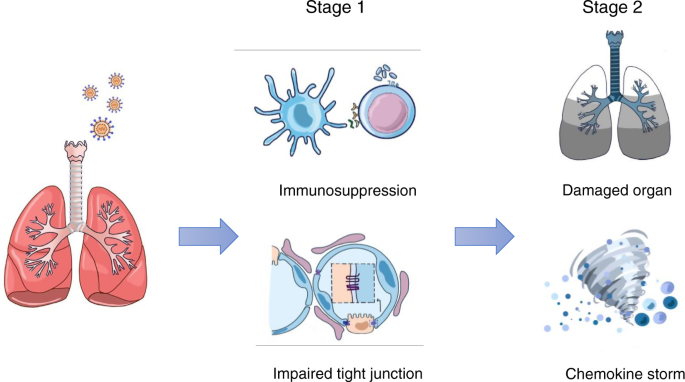
The immune system plays a crucial role in protecting the body from infections. In advanced cancer, the immune system may become weakened.
This can result in:
-
Frequent infections
-
Slow wound healing
-
Recurrent fevers
Both the disease itself and certain treatments can reduce the body’s ability to fight bacteria and viruses.
Why Early Detection Matters
Although these symptoms may appear in advanced illness, many cancers can be successfully treated when detected early.
Doctors often recommend:
-
Routine health screenings
-
Paying attention to persistent symptoms
-
Seeking medical advice when unusual changes occur
Early diagnosis greatly increases the chances of effective treatment and recovery.
Final Thoughts
The body often sends signals when something is wrong. While the symptoms described above do not always indicate cancer, persistent or severe changes should never be ignored.
Understanding these warning signs and seeking timely medical care can make a critical difference in protecting long-term health.