Fatty Liver Disease: The Foot Symptom That May Signal Advanced Liver Damage
Fatty liver disease has become one of the most common liver conditions worldwide. It occurs when excess fat builds up inside liver cells, interfering with the liver’s ability to function properly. In many cases, people may not notice any symptoms during the early stages of the disease.
However, as the condition progresses, the body may begin to show subtle warning signs in unexpected places—including the feet. Because the liver plays a central role in metabolism, detoxification, and fluid balance, damage to this organ can eventually affect circulation and other systems throughout the body.
Recognizing these physical signals early can help people seek medical care and prevent further complications.
What Is Fatty Liver Disease?


Fatty liver disease occurs when fat accounts for more than 5–10% of the liver’s weight. There are two main types:
-
Non-alcoholic fatty liver disease (NAFLD) – associated with obesity, diabetes, and metabolic syndrome.
-
Alcohol-related fatty liver disease – caused by excessive alcohol consumption.
In the early stage, fat accumulation may not cause noticeable problems. But if inflammation develops, the condition may progress to non-alcoholic steatohepatitis (NASH), which can lead to fibrosis and eventually cirrhosis.
A Possible Warning Sign: Swelling in the Feet and Ankles


One symptom sometimes associated with advanced liver disease is swelling in the feet and ankles, also known as edema.
When liver function becomes impaired, the body may struggle to regulate fluids and proteins properly. This can lead to fluid accumulation in the lower parts of the body, especially the legs, ankles, and feet.
Common signs include:
-
Puffy ankles
-
Tight or stretched skin around the feet
-
Indentations in the skin after pressing (pitting edema)
-
Heaviness or discomfort in the legs
While swelling does not always mean liver disease, persistent edema may indicate that the body’s fluid balance has been disrupted.
Why Liver Problems Can Affect the Feet


The liver performs several essential tasks that influence the entire body, including:
-
Producing proteins that regulate fluid balance
-
Filtering toxins from the bloodstream
-
Supporting circulation and metabolism
When the liver becomes damaged, protein production may decrease, leading to lower levels of albumin in the blood. Albumin helps keep fluid inside blood vessels. Without enough of it, fluid may leak into surrounding tissues, causing swelling.
Additionally, advanced liver disease may increase pressure in certain blood vessels, further contributing to fluid retention in the lower limbs.
Other Symptoms of Advanced Liver Disease

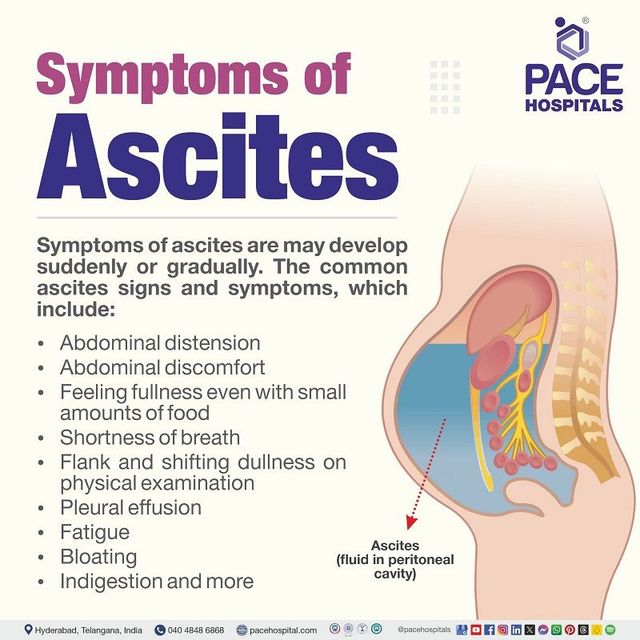

Swollen feet are only one of several possible symptoms that may appear when liver disease progresses.
Other signs may include:
-
Persistent fatigue
-
Yellowing of the skin or eyes (jaundice)
-
Abdominal swelling due to fluid buildup (ascites)
-
Easy bruising
-
Loss of appetite
These symptoms may develop gradually, which is why routine health checkups are important for early detection.
Risk Factors for Fatty Liver Disease
Several lifestyle and metabolic factors increase the risk of developing fatty liver disease, including:
-
Obesity
-
Type 2 diabetes
-
High cholesterol or triglycerides
-
Sedentary lifestyle
-
Excessive alcohol consumption
In recent years, fatty liver disease has become more common due to rising rates of metabolic disorders and unhealthy dietary patterns.
Can Fatty Liver Disease Be Reversed?
In many early cases, fatty liver disease can be improved or even reversed through lifestyle changes.
Doctors often recommend:
-
Maintaining a healthy weight
-
Regular physical activity
-
Limiting alcohol intake
-
Eating a balanced diet rich in whole foods
-
Managing blood sugar and cholesterol levels
However, once severe scarring of the liver (cirrhosis) develops, the damage may become permanent. This is why early detection is so important.
Final Thoughts
Fatty liver disease often develops silently, but the body may eventually show warning signs when the condition progresses. Swelling in the feet and ankles can sometimes indicate problems with fluid balance linked to liver function.
While this symptom can have many possible causes, persistent swelling should not be ignored. Medical evaluation can help determine the underlying issue and guide appropriate treatment.
By paying attention to early warning signals and adopting healthier lifestyle habits, many people can protect their liver health and reduce the risk of serious complications.