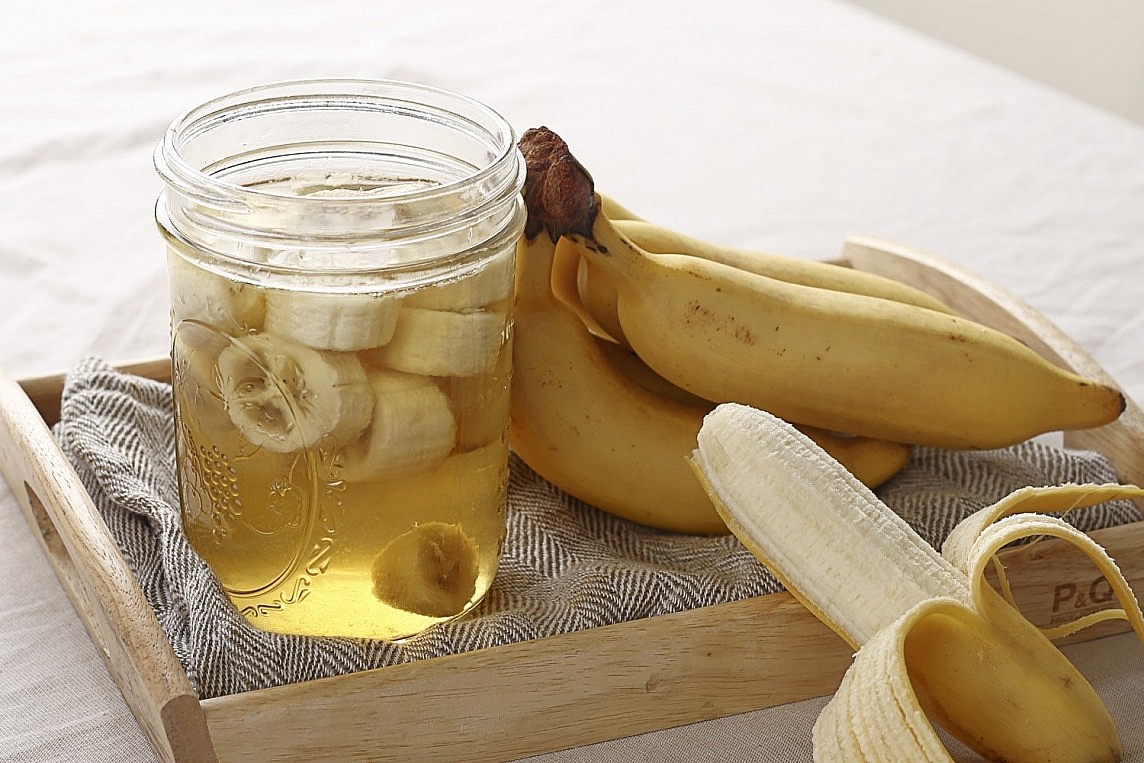
How to Make Banana Vinegar at Home With Just 4 Ingredients
Vinegar is a common ingredient in many kitchens, often used to enhance the flavor of dishes. While rice vinegar and apple cider vinegar are widely known, banana vinegar is another natural option that is easy to make at home and offers a unique aroma and taste.
This homemade vinegar has a mild sour taste with a light banana fragrance, making it suitable for salads, dipping sauces, and many traditional dishes. Even better, the process requires only a few simple ingredients.
Why Banana Vinegar Is Worth Trying
Like other types of vinegar, banana vinegar contains acetic acid, beneficial enzymes, and natural probiotics formed during fermentation. These compounds may help support digestion and maintain a balanced gut microbiome.
Some people also use fruit vinegar as part of a healthy lifestyle because it may help regulate blood sugar levels and support weight management when consumed in moderation.
Thanks to the natural sugars found in ripe bananas, fermentation can occur easily, producing a pleasantly aromatic vinegar.
Ingredients You Need
Making banana vinegar is surprisingly simple. You only need four basic ingredients:
-
Ripe bananas
-
Sugar (rock sugar, brown sugar, or white sugar)
-
Clean water
-
Vinegar starter (also known as “mother of vinegar”)
Ripe bananas are ideal because they contain more natural sugars, which help fermentation happen more smoothly.
Step-by-Step Method
1. Prepare the Bananas
Wash the bananas thoroughly, peel them, and cut them into thick slices about 1–2 cm wide.
2. Prepare the Jar
Use a clean glass jar and rinse it with boiling water to eliminate bacteria. Let the jar dry completely before use.
3. Mix the Fermentation Solution
Dissolve sugar in cooled boiled water. A common ratio is 150–200 grams of sugar per liter of water.
Pour this mixture into the jar containing the banana slices.
4. Add the Vinegar Starter
Add about 100–200 ml of vinegar starter for each liter of water, or use a piece of vinegar “mother” to begin fermentation.
Ensure that the bananas are fully submerged in the liquid.
5. Ferment the Mixture
Cover the jar with a clean cloth instead of a tight lid. This allows air to circulate while preventing insects from entering.
Place the jar in a cool, dry location away from direct sunlight.
The fermentation process typically takes three weeks to two months, depending on the temperature and the quality of the starter culture.
How to Know When It’s Ready
When the bananas turn darker and the liquid develops a pleasant sour aroma with no noticeable sweetness, the vinegar is ready.
At this stage, you can strain out the banana pieces and store the vinegar in clean bottles. Some people continue fermenting the vinegar longer to develop a stronger flavor.
The Bottom Line
Banana vinegar is a natural, homemade condiment that is both flavorful and simple to prepare. With only four ingredients and a little patience, you can create a fragrant vinegar that enhances many dishes while also providing potential health benefits.
Sometimes, the most useful kitchen ingredients are the ones you can easily make yourself.