Fatty liver disease has become one of the most common liver conditions worldwide, affecting millions of people — many of whom may not even realize they have it. Often called a “silent disease,” fatty liver can develop gradually over time with few noticeable symptoms in its early stages. However, as fat continues building up in the liver, the body may begin sending warning signs that should not be ignored.
Fatty liver disease occurs when excess fat accumulates inside liver cells. This may happen because of:
- Obesity
- Poor diet
- Diabetes
- Excess alcohol use
- Metabolic syndrome
- Sedentary lifestyle
There are two major types:
- Non-alcoholic fatty liver disease (NAFLD)
- Alcohol-related fatty liver disease
Although early fatty liver may sometimes be reversible through lifestyle changes, untreated cases can occasionally progress into:
- Liver inflammation
- Fibrosis
- Cirrhosis
- Liver failure
Understanding potential warning signs may encourage earlier medical evaluation and healthier habits.
Why the Liver Is So Important
The liver performs hundreds of essential functions including:
- Filtering toxins
- Processing nutrients
- Supporting digestion
- Producing proteins
- Regulating metabolism
- Storing vitamins and minerals
Because the liver works quietly in the background, liver disease may develop for years before symptoms become obvious.

1. Persistent Fatigue
One of the most common complaints associated with fatty liver disease is ongoing fatigue.
People may feel:
- Constantly tired
- Low energy
- Mentally exhausted
- Weak even after rest
The exact reason is not fully understood, but liver dysfunction may affect metabolism and inflammation levels throughout the body.
Because fatigue is extremely common, many people dismiss it as:
- Stress
- Aging
- Poor sleep
without realizing liver health may play a role.
2. Discomfort or Pain in the Upper Right Abdomen
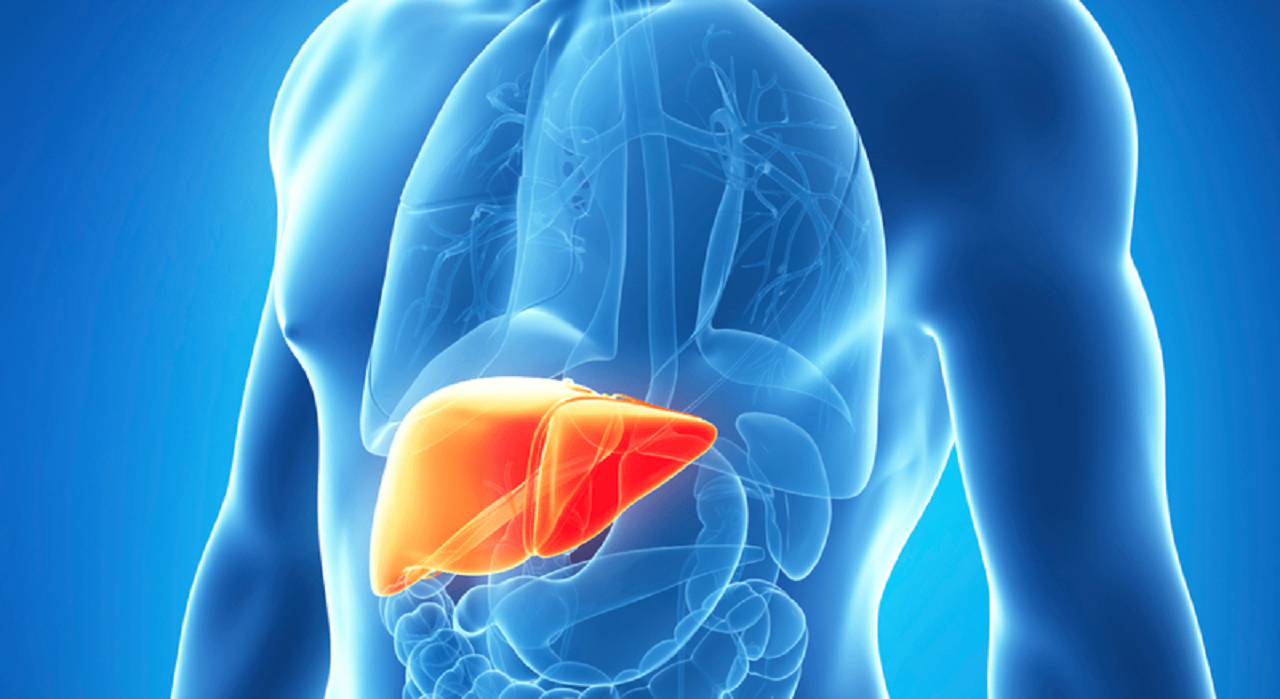
The liver sits in the upper right side of the abdomen.
As fatty liver progresses, some individuals may experience:
- Fullness
- Pressure
- Dull aching pain
- Mild discomfort
in that area.
This symptom may occur because the liver becomes enlarged or inflamed.
3. Unexplained Weight Gain or Difficulty Losing Weight
Fatty liver disease is strongly linked to metabolic health problems.
People with fatty liver often struggle with:
- Belly fat accumulation
- Insulin resistance
- Difficulty losing weight
Excess abdominal fat is particularly associated with non-alcoholic fatty liver disease.

4. Swollen Abdomen or Bloating
Some people with liver problems may notice:
- Bloating
- Abdominal swelling
- Increased stomach size
In advanced liver disease, fluid buildup called ascites may occur.
However, bloating alone is extremely common and often unrelated to serious liver disease.
Persistent swelling should still be evaluated if it continues or worsens.
5. Dark Patches of Skin
Fatty liver disease is frequently associated with insulin resistance.
Some individuals develop dark velvety skin patches, especially around:
- The neck
- Armpits
- Groin
This condition is called acanthosis nigricans and may indicate metabolic imbalance.
6. Elevated Cholesterol or Blood Sugar Levels
Fatty liver disease often develops alongside:
- High cholesterol
- High triglycerides
- Type 2 diabetes
- Prediabetes
Many people discover fatty liver during routine blood tests or ultrasounds rather than because of symptoms.
This is why regular medical checkups are important.
7. Nausea or Poor Appetite
Some individuals with worsening liver function may experience:
- Mild nausea
- Reduced appetite
- Feeling full quickly
Digestive symptoms may occur because liver dysfunction affects metabolism and digestion.
8. Brain Fog and Difficulty Concentrating
Some people with liver disease report:
- Mental fogginess
- Poor concentration
- Memory issues
- Difficulty focusing
This may be linked to inflammation, metabolic imbalance, or poor sleep associated with fatty liver and related conditions.
9. Yellowing of the Skin or Eyes
Yellowing of the:
- Skin
- Eyes
is called jaundice.
Jaundice may indicate more advanced liver dysfunction and should always receive prompt medical evaluation.
Not everyone with fatty liver develops jaundice, but when it appears, it may signal serious liver problems.
10. Swelling in the Legs and Feet
Advanced liver disease may sometimes contribute to:
- Fluid retention
- Leg swelling
- Ankle swelling
This may occur because the liver plays an important role in fluid regulation and protein production.
Why Fatty Liver Disease Is Becoming More Common
Modern lifestyles have increased several major risk factors including:
- Processed foods
- Sugary drinks
- Physical inactivity
- Obesity
- Diabetes
Non-alcoholic fatty liver disease is now extremely common worldwide.
Many people develop it even without alcohol consumption.
Who Is Most at Risk?
Risk factors include:
- Obesity
- Diabetes
- High cholesterol
- High blood pressure
- Sedentary lifestyle
- Excess alcohol intake
Family history and genetics may also play a role.
Can Fatty Liver Be Reversed?
In many cases, early fatty liver disease may improve through lifestyle changes such as:
- Weight loss
- Healthier eating
- Regular exercise
- Reducing sugar intake
- Limiting alcohol
- Managing diabetes
Even modest weight loss may positively affect liver fat levels.
Foods and Habits That May Support Liver Health
Experts commonly recommend:
- Vegetables
- Fruits
- Whole grains
- Lean proteins
- Healthy fats
- Physical activity
Reducing:
- Sugary beverages
- Ultra-processed foods
- Excess alcohol
may also support liver health.
When Should You See a Doctor?
Medical evaluation may be important if symptoms include:
- Persistent fatigue
- Abdominal pain
- Jaundice
- Swelling
- Unexplained weight changes
- Abnormal blood tests
Doctors may use:
- Blood tests
- Ultrasound
- MRI
- Liver function testing
to assess liver health.
Fatty Liver Often Has No Symptoms at First
One of the biggest dangers of fatty liver disease is that many people feel completely normal during early stages.
This is why preventive healthcare and routine checkups matter so much.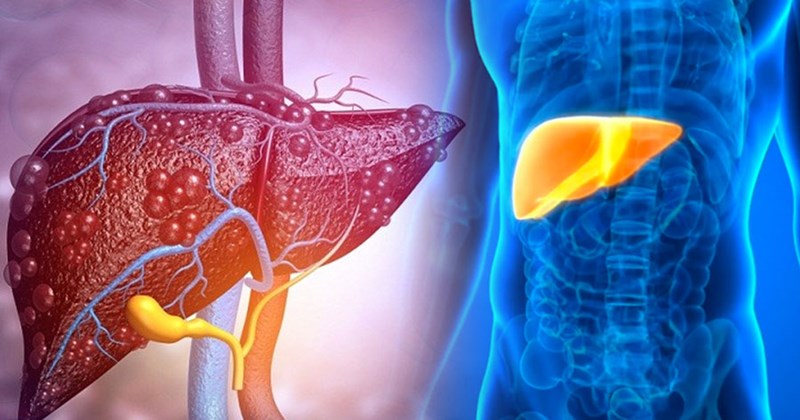
Final Thoughts
Fatty liver disease often develops quietly, but symptoms such as fatigue, abdominal discomfort, swelling, metabolic problems, jaundice, and unexplained digestive changes may sometimes signal that the liver is under stress. Because the liver plays such an important role in overall health, persistent symptoms should not be ignored.
Although fatty liver disease can become serious if untreated, early lifestyle changes and medical care may significantly improve outcomes. Paying attention to subtle warning signs and maintaining healthy daily habits may help protect long-term liver function and overall well-being.