Believing that eating thin porridge would allow her stomach to “rest,” a 55-year-old woman ate it continuously for an entire month. However, when she received her medical test results, she was completely surprised.
For a long time, many people have believed that when the stomach has problems, eating thin porridge is the safest choice. However, according to nutrition expert Khưu Thế Hân from China, this may actually be a common mistake that makes digestive disorders harder to control.
He shared the case of a 55-year-old woman suffering from gastroesophageal reflux disease (GERD). After hearing advice that she should eat bland foods to “nourish the stomach,” she switched entirely to thin porridge for all three meals every day for a whole month.
The woman believed porridge was soft and easy to digest, so it would reduce pressure on the stomach. However, the results were completely the opposite. Her reflux symptoms did not improve and instead became more frequent, especially at night. She often experienced heartburn, a burning sensation in her chest, and prolonged insomnia.
According to expert Khưu, thin porridge can become a “nutritional trap” for people with stomach problems, especially those suffering from acid reflux or excessive stomach acid production.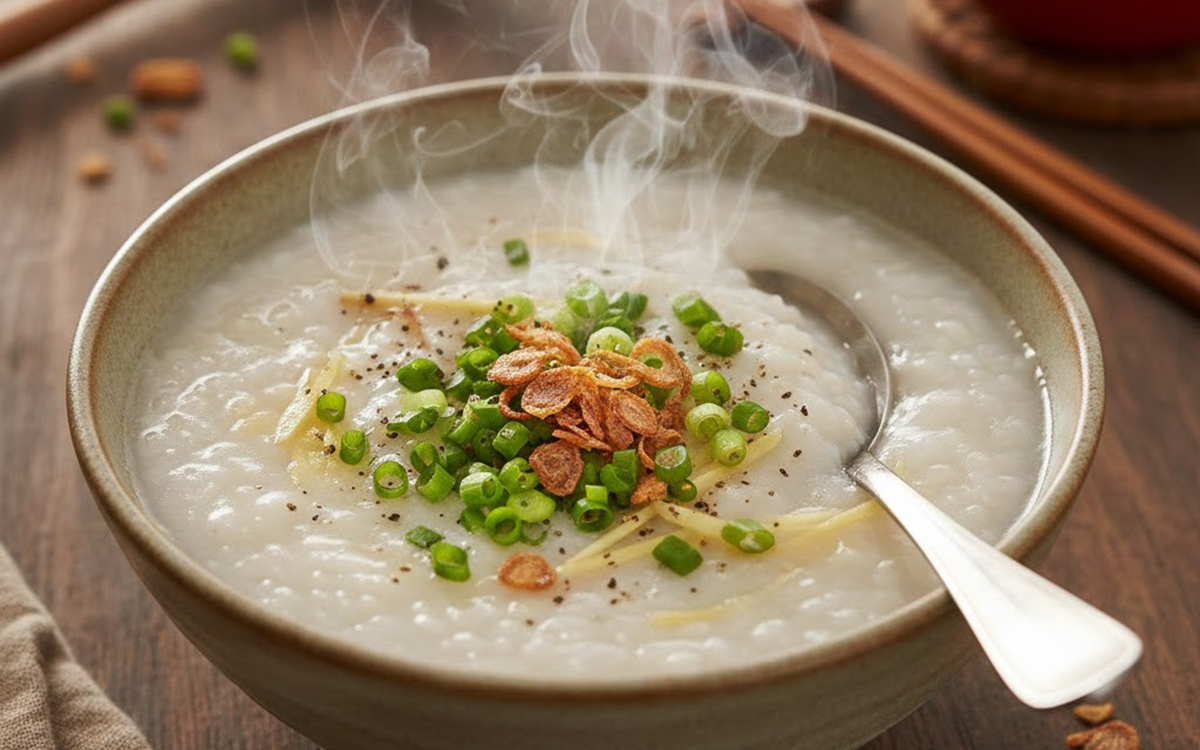
He explained that porridge contains a large amount of water, which stimulates the stomach to produce more acid. At the same time, because it is cooked until very soft, porridge is digested very quickly. The food rapidly moves into the small intestine while acid still remains in the empty stomach. This can irritate the stomach lining and increase the risk of acid reflux.
According to the expert’s statistics, on average, one in four people experiences problems related to gastroesophageal reflux disease. For this group, maintaining the habit of eating thin porridge for a long period may make the condition harder to improve.
To help the digestive system function more stably, the expert recommends prioritizing solid but easy-to-digest foods, such as white rice, instead of eating only porridge.
In addition, patients are advised to follow the principle of “separating solids and liquids” during meals, meaning they should avoid drinking too much water, soup, or other beverages while eating. Water should ideally be consumed about 30–40 minutes after meals to avoid increasing pressure in the stomach and to support more effective digestion.
Furthermore, getting enough protein is also very important. Many people reduce meat and fish intake because they fear fatty foods, but this can weaken the sphincter muscle between the stomach and the esophagus.
According to the expert, this sphincter requires protein to maintain proper opening and closing function. If a person’s diet consists only of porridge and vegetables for a long time, the cardiac sphincter may lose its ability to contract effectively, causing stomach acid to reflux more severely.
People with stomach problems are advised to choose easily digestible protein sources such as boiled chicken breast, steamed fish, or tofu to help restore digestive function and better control stomach acid.
Experts also emphasize that the belief that “eating porridge nourishes the stomach” is not always correct. The important thing is choosing foods appropriate for the specific condition and maintaining a balanced diet to protect the digestive system in the long term.
Believing thin porridge was the “healthiest” food for stomach pain, a 55-year-old woman continued eating it for an entire month to improve her reflux condition. However, the follow-up examination not only showed no improvement but also surprised doctors when her condition worsened, accompanied by prolonged insomnia and persistent heartburn.
Eating Porridge Properly in the Morning Brings More Benefits Than Expected
Eating porridge in the morning provides many benefits for digestion and energy levels and is recommended by international nutrition experts.
Many international nutrition studies show that eating porridge in the morning is not only a light meal option but also offers significant health benefits.
According to Healthline and Medical News Today, porridge varieties such as oatmeal porridge, brown rice porridge, and whole-grain porridge are considered ideal breakfasts for both children and adults.
- Provides Essential Vitamins and Minerals
Porridge contains many B vitamins, iron, magnesium, and antioxidants. A bowl of oatmeal porridge in the morning can meet a large portion of an adult’s daily fiber needs.
- Easy to Digest
Porridge has a soft texture and high water content, helping the stomach work more gently, especially suitable for people with sensitive digestive systems or those recovering from illness.
- Good for Heart Health
Beta-glucan in oats helps reduce LDL cholesterol, according to research published in the Journal of Nutrition. Eating porridge daily may help reduce the risk of heart disease.
- Keeps You Full Longer and Stabilizes Energy
Experts from the Harvard T.H. Chan School of Public Health state that foods rich in soluble fiber, such as oats, help people stay full longer, reduce cravings, and maintain stable blood sugar levels for many hours.
- Supports Weight Loss
Because it is low in calories yet creates a feeling of fullness quickly, porridge is considered suitable for people managing their weight. Oatmeal porridge and brown rice porridge are especially effective because they contain plenty of fiber and B vitamins.
- Easy to Combine with Different Foods
Porridge can be cooked with eggs, minced meat, vegetables, or even fruits, increasing nutritional value while remaining gentle on the stomach and convenient for busy mornings.
Easy to Eat and Suitable for All Ages
From young children and the elderly to patients recovering from illness, porridge can serve as a safe, simple, and digestion-friendly food.
The Harmful Effects of Eating Too Much Porridge
Although porridge can be healthy, eating it continuously may cause nutrient deficiencies, raise blood sugar levels, and make people feel hungry more quickly.
Porridge is a familiar dish, especially suitable when the body is tired or when a light meal is needed. However, nutrition experts warn that eating porridge too frequently, especially overcooked white porridge, may negatively affect health.
- Rapid Increase in Blood Sugar After Eating
One of the biggest concerns is that white porridge has a high glycemic index (GI), causing blood sugar to rise quickly after meals. This is not good for people with diabetes or those trying to lose weight because it can cause hunger to return sooner and stimulate overeating.
- Risk of Nutritional Deficiency
Porridge mainly contains starch and water, so its protein, fiber, and vitamin content is relatively low. If eaten alone for a long time, it may lead to nutritional deficiencies, especially in children and older adults.
Many instant porridges or porridges cooked with salty processed foods such as canned meat or salted eggs also contain high sodium levels, increasing the risk of high blood pressure and cardiovascular disease.
- Easy to Consume More Calories Than Necessary
According to experts, overcooking rice also significantly reduces fiber content, causing porridge to digest quickly and making the body feel hungry sooner. As a result, eating porridge regularly may unintentionally lead to consuming more calories than necessary.
To eat porridge in a healthy way, experts recommend using brown rice, oats, or whole grains; combining them with meat, fish, eggs, tofu, and green vegetables to balance nutrition. At the same time, people should avoid excessive salt seasoning and control portion sizes appropriately.