Bone cancer is a rare but serious condition that may develop with subtle symptoms in its early stages. Because many of the warning signs can resemble common injuries, arthritis, muscle strain, or everyday aches and pains, people may ignore symptoms for weeks or even months before seeking medical attention.
Doctors often emphasize that bone cancer does not always cause dramatic symptoms immediately. In some cases, the disease may begin quietly, with mild discomfort or unexplained changes that gradually worsen over time. Although most bone pain is not caused by cancer, persistent or unusual symptoms should not always be dismissed - especially when they continue without a clear explanation.
Understanding potential warning signs may help encourage earlier medical evaluation and diagnosis.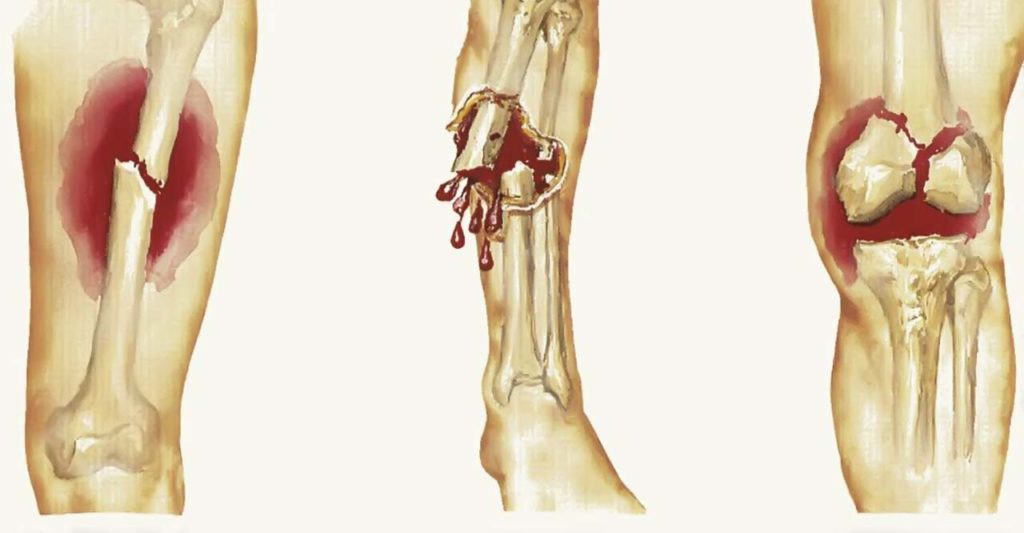
What Is Bone Cancer?
Bone cancer occurs when abnormal cells grow uncontrollably inside the bones.
There are two general categories:
- Primary bone cancer, which begins in the bone itself
- Secondary (metastatic) bone cancer, where cancer spreads to the bones from another part of the body
Primary bone cancers are relatively rare compared to many other cancers.
Some common types include:
- Osteosarcoma
- Chondrosarcoma
- Ewing sarcoma
Bone cancer may affect:
- Children
- Teenagers
- Adults
depending on the specific type.
1. Persistent Bone Pain
One of the most common symptoms associated with bone cancer is ongoing pain in a specific area.
At first, the pain may:
- Come and go
- Feel mild
- Worsen at night
- Be mistaken for injury or muscle soreness
Over time, the discomfort may gradually become:
- More constant
- More intense
- Harder to ignore
Bone pain linked to cancer often does not improve fully with rest.
Common Areas Affected
Bone cancer frequently affects:
- Legs
- Arms
- Pelvis
- Shoulders
- Spine
However, pain in these areas is far more commonly caused by noncancerous conditions.
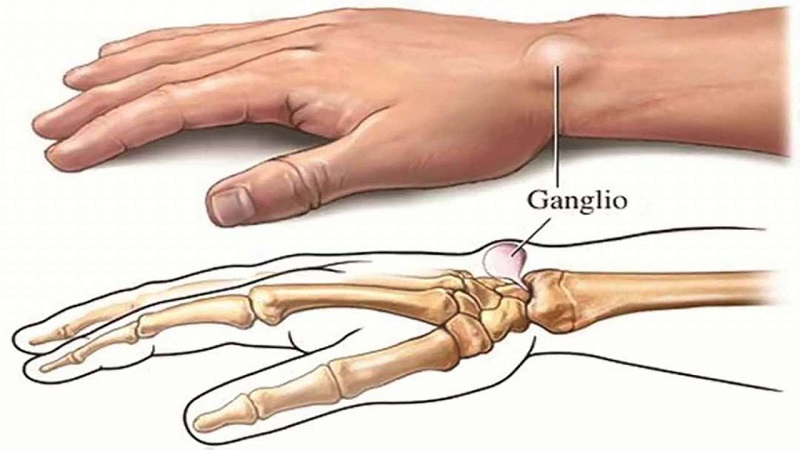
2. Swelling or a Lump Near the Bone
As tumors grow, swelling may sometimes develop near the affected bone.
People may notice:
- A visible lump
- Tenderness
- Puffiness
- Warmth in the area
Depending on the location, the swelling may interfere with movement or daily activities.
In some cases, swelling appears weeks after pain begins.
3. Frequent Fractures or Weak Bones
Bone cancer may weaken bone structure over time.
As a result, some individuals may experience:
- Unexpected fractures
- Bones breaking more easily
- Injuries from minor impacts
These are sometimes called pathological fractures.
A bone weakened by disease may break during:
- Routine movement
- Exercise
- Minor falls
Doctors often evaluate unexplained fractures carefully, especially in adults.
4. Fatigue and Unexplained Weight Loss
Like many cancers, bone cancer may sometimes cause general symptoms such as:
- Extreme fatigue
- Weakness
- Loss of appetite
- Unexplained weight loss
These symptoms are nonspecific and may occur with many other conditions as well.
However, persistent unexplained fatigue combined with ongoing bone pain deserves medical attention.
5. Difficulty Moving or Limping
Bone tumors located near joints or weight-bearing bones may affect movement.
Possible symptoms include:
- Limping
- Reduced mobility
- Stiffness
- Pain during movement
Children or teenagers may suddenly avoid physical activities they previously enjoyed because of discomfort.
Movement problems that persist without obvious injury should not always be ignored.
Why Bone Cancer Symptoms Are Often Missed
One reason bone cancer can be difficult to recognize early is because symptoms resemble far more common problems such as:
- Sports injuries
- Arthritis
- Growing pains
- Muscle strain
- Joint inflammation
Most cases of bone pain are not cancer.
However, doctors often recommend paying attention to symptoms that:
- Persist for weeks
- Worsen over time
- Occur without clear cause
- Interfere with daily life
Who May Be at Higher Risk?
Bone cancer is rare, but certain factors may increase risk, including:
- Genetic conditions
- Prior radiation exposure
- Certain inherited syndromes
- Previous cancers
Some forms are more common in:
- Teenagers
- Young adults
- Older adults
depending on the cancer type.
When Should You See a Doctor?
Medical evaluation may be important if someone experiences:
- Persistent bone pain
- Swelling near bones
- Unexplained fractures
- Ongoing limping
- Fatigue with unexplained weight loss
Doctors may recommend:
- X-rays
- MRI scans
- CT scans
- Bone scans
- Blood tests
- Biopsy
to investigate symptoms further.
Early Detection Matters
As with many diseases, earlier diagnosis may improve treatment options and outcomes.
Treatment for bone cancer may involve:
- Surgery
- Chemotherapy
- Radiation therapy
- Targeted treatments
depending on the specific diagnosis and stage.
Most Bone Pain Is Not Cancer
It is very important to keep symptoms in perspective.
Most bone and joint pain is caused by:
- Injury
- Overuse
- Arthritis
- Inflammation
- Muscle strain
Bone cancer remains relatively rare.
Still, unusual or persistent symptoms deserve proper medical attention rather than long-term self-diagnosis.
Supporting Bone Health
Although not all cancers are preventable, healthy habits may support overall bone wellness.
Experts commonly recommend:
- Regular exercise
- Balanced nutrition
- Adequate calcium and vitamin D
- Avoiding smoking
- Limiting excessive alcohol
- Routine medical care
Healthy bones remain important throughout life.
Listening to the Body Matters
The body often gives subtle warning signs before serious illness becomes advanced.
Persistent pain or unexplained physical changes should not automatically cause panic, but they also should not always be ignored indefinitely.
Seeking medical evaluation early may help identify problems before complications become more severe.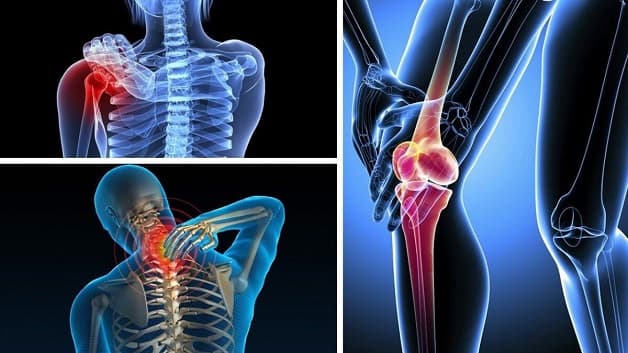
Final Thoughts
Bone cancer may begin quietly with symptoms such as persistent pain, swelling, limping, unexplained fractures, fatigue, or weight loss. Because these warning signs can resemble common injuries or everyday aches, many people may overlook them at first.
Although bone cancer is rare, doctors emphasize the importance of paying attention to symptoms that persist, worsen, or interfere with normal life. Early medical evaluation may help identify the cause sooner and improve treatment possibilities when serious conditions are involved.