Calcium is one of the most important minerals in the human body. While many people associate calcium only with strong bones and teeth, this essential nutrient also plays a critical role in:
- Muscle movement
- Nerve function
- Heart rhythm
- Hormone release
- Blood clotting
When calcium levels become too low, the body may begin sending warning signs that something is out of balance. Because the body carefully regulates calcium, symptoms may sometimes appear gradually and be easy to overlook at first.
Low calcium levels — also called hypocalcemia — may develop because of:
- Poor diet
- Vitamin D deficiency
- Hormonal disorders
- Certain medications
- Digestive conditions
- Kidney problems
Understanding possible symptoms may help people recognize when medical evaluation or nutritional changes could be important.

Why Calcium Matters So Much
About 99% of the body’s calcium is stored in:
- Bones
- Teeth
The remaining calcium circulates in the blood and tissues where it supports many vital functions.
If calcium intake becomes too low, the body may begin pulling calcium from bones to maintain essential processes such as:
- Muscle contractions
- Heart activity
- Nerve signaling
Over time, this may weaken bone strength.
1. Muscle Cramps and Spasms
One of the most common signs of low calcium involves muscle problems.
People may experience:
- Leg cramps
- Muscle twitching
- Spasms
- Tightness
- Tingling sensations
Calcium helps regulate muscle contraction and relaxation.
When calcium levels drop, nerves and muscles may become overly excitable.
Some individuals notice symptoms more often:
- At night
- During exercise
- After physical activity
2. Tingling or Numbness
Low calcium may sometimes affect nerve signaling.
Possible symptoms include:
- Tingling fingers
- Numbness around the mouth
- Pins-and-needles sensations
- Tingling in the feet or hands
These sensations may occur because calcium plays a key role in nerve communication.
3. Weak or Fragile Bones
Long-term calcium deficiency may gradually weaken bones.
Possible consequences include:
- Reduced bone density
- Increased fracture risk
- Osteoporosis
- Bone pain
Because bone loss often develops silently, many people do not realize there is a problem until a fracture occurs.
4. Fatigue and Weakness
Calcium supports many energy-related processes in the body.
Low calcium levels may contribute to:
- Fatigue
- Low energy
- Weakness
- Difficulty concentrating
These symptoms are nonspecific and may overlap with many other conditions, which is why calcium deficiency sometimes goes unnoticed.
5. Dental Problems
Teeth contain significant amounts of calcium.
Calcium deficiency may sometimes contribute to:
- Weak tooth enamel
- Increased cavities
- Tooth sensitivity
- Gum problems
Children with severe calcium deficiency may also experience delayed tooth development.
6. Brittle Nails and Dry Skin
Some people with nutritional deficiencies notice changes involving:
- Nails
- Skin
- Hair
Low calcium may sometimes be associated with:
- Brittle nails
- Dry skin
- Rough hair texture
Although these symptoms are not unique to calcium deficiency, they may appear alongside other warning signs.
7. Abnormal Heart Rhythm in Severe Cases
Calcium helps regulate heart muscle function.
Severe calcium deficiency may sometimes affect:
- Heart rhythm
- Heart contractions
- Cardiovascular function
Possible symptoms may include:
- Palpitations
- Irregular heartbeat
- Dizziness
Serious symptoms require prompt medical evaluation.
What Causes Low Calcium Levels?
Several conditions and lifestyle factors may contribute to low calcium.
Poor Dietary Intake
Not consuming enough calcium-rich foods may increase risk.
Vitamin D Deficiency
Vitamin D helps the body absorb calcium effectively.
Hormonal Disorders
Parathyroid hormone problems may affect calcium regulation.
Digestive Conditions
Certain intestinal disorders may reduce nutrient absorption.
Kidney Disease
Kidneys play an important role in calcium balance.
Who Is More at Risk?
Certain groups may face higher risk for calcium deficiency, including:
- Older adults
- Postmenopausal women
- People with poor diets
- Individuals with vitamin D deficiency
- People with digestive disorders
Strict restrictive diets without proper planning may also increase risk.
Foods Rich in Calcium
Good calcium sources may include:
- Dairy products
- Yogurt
- Cheese
- Sardines
- Tofu
- Almonds
- Leafy greens
- Fortified foods
Balanced nutrition remains one of the best ways to support healthy calcium levels.
Vitamin D Is Also Essential
Without enough vitamin D, calcium absorption becomes less efficient.
Vitamin D sources may include:
- Sunlight exposure
- Fatty fish
- Fortified foods
- Supplements when recommended
Calcium and vitamin D work closely together.
Exercise Helps Protect Bones Too
Weight-bearing exercise may help support:
- Bone density
- Muscle strength
- Balance
Helpful activities may include:
- Walking
- Resistance training
- Dancing
- Hiking
Movement is an important part of long-term bone health.
Why Self-Diagnosis Can Be Misleading
Many symptoms of low calcium overlap with:
- Stress
- Fatigue
- Other deficiencies
- Neurological conditions
Blood testing is often needed to confirm calcium imbalance.
People should avoid taking excessive calcium supplements without medical guidance because too much calcium may also cause problems.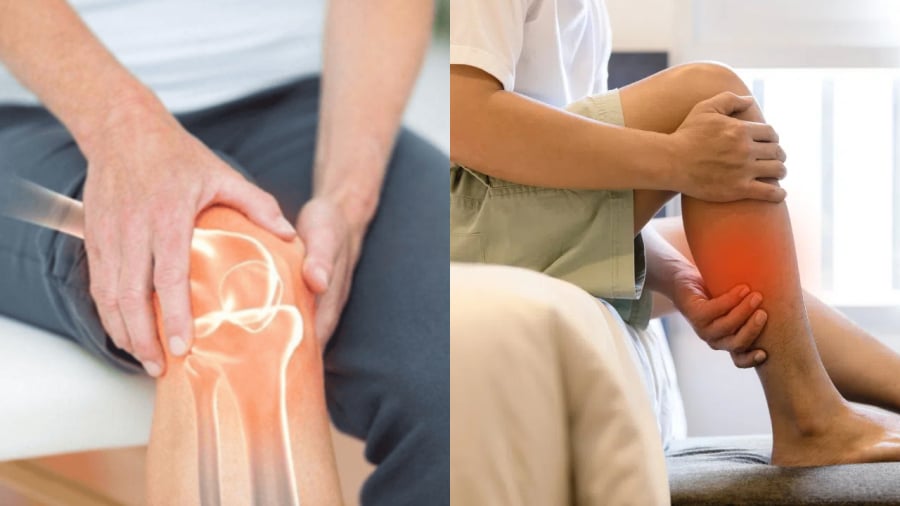
When Should You See a Doctor?
Medical evaluation may be important if symptoms include:
- Persistent muscle cramps
- Frequent numbness
- Severe fatigue
- Bone pain
- Recurrent fractures
- Heart palpitations
Doctors may use:
- Blood tests
- Vitamin D testing
- Bone density scans
to evaluate calcium and bone health.
Final Thoughts
Calcium is essential not only for strong bones, but also for healthy muscles, nerves, teeth, and heart function. Symptoms such as muscle cramps, tingling, fatigue, brittle nails, weak bones, dental problems, and abnormal heart rhythms may sometimes signal that the body is struggling with low calcium levels.
Although many cases are mild and manageable, persistent symptoms should not be ignored. Balanced nutrition, adequate vitamin D, regular exercise, and proper medical care all play important roles in supporting healthy calcium levels and protecting long-term bone health.