8 Early Warning Signs of Ovarian Cancer That Many Women Often Overlook
Ovarian cancer is sometimes referred to as a “silent disease” because its early symptoms are often subtle and easily mistaken for common digestive or hormonal issues. Many women may ignore these signs or attribute them to stress, diet, or menstrual changes.
However, paying attention to persistent or unusual symptoms can be extremely important. Early detection significantly increases the chances of successful treatment. Understanding the possible warning signs can help women seek medical advice sooner and protect their long-term health.
Below are eight symptoms that health experts frequently associate with early-stage ovarian cancer.
1. Persistent Abdominal Bloating


One of the most commonly reported early symptoms is persistent abdominal bloating.
Many women experience occasional bloating due to diet or hormonal changes. However, bloating associated with ovarian cancer often:
-
Occurs almost daily
-
Does not improve with typical remedies
-
Gradually worsens over time
This bloating may be caused by fluid accumulation or pressure from abnormal growths in the pelvic area.
2. Pelvic or Lower Abdominal Pain


Another potential warning sign is ongoing pelvic pain or pressure.
Women may describe this sensation as:
-
A dull ache in the lower abdomen
-
A feeling of heaviness in the pelvis
-
Sharp or cramping pain that persists
If pelvic pain continues for weeks without a clear explanation, medical evaluation may be necessary.
3. Changes in Appetite



Many women with ovarian cancer report feeling full quickly when eating, even after consuming small amounts of food.
This symptom, known as early satiety, may occur because tumors or fluid buildup place pressure on the stomach.
Changes in appetite may include:
-
Feeling full sooner than usual
-
Difficulty finishing meals
-
Reduced interest in food
4. Frequent Urination

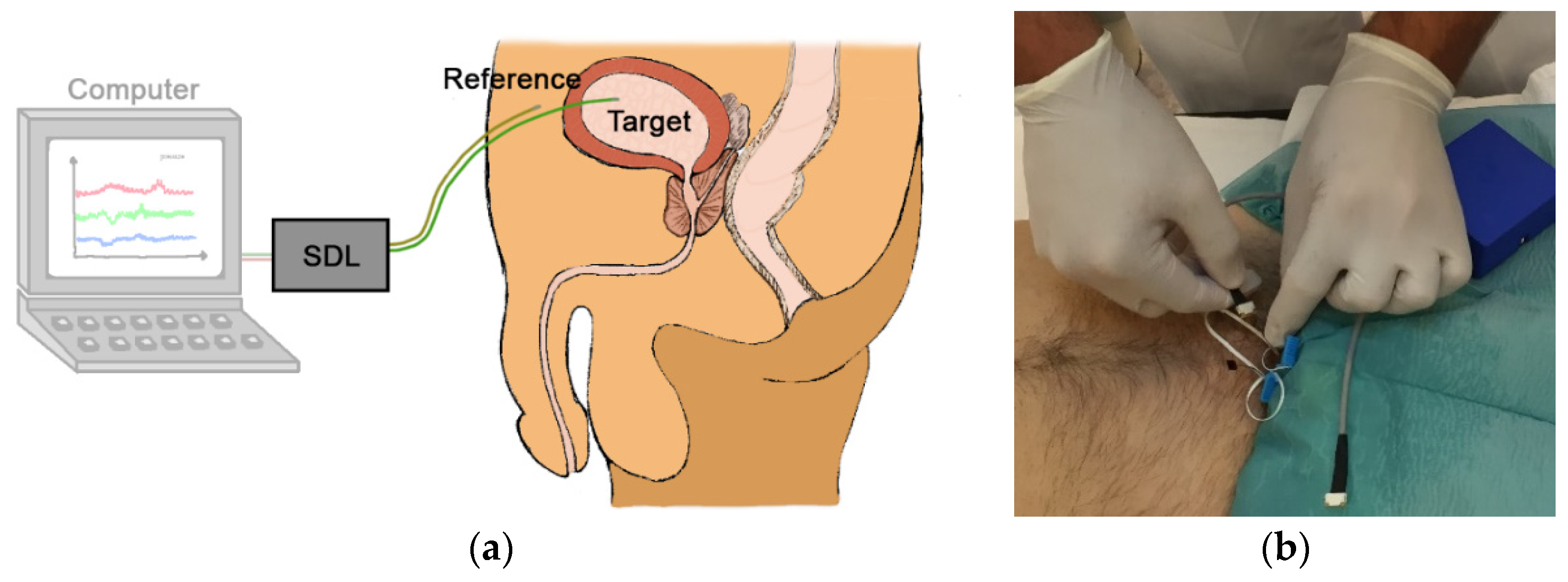

Some women notice increased urgency or frequency of urination.
This can happen when growths in the pelvic area place pressure on the bladder.
Symptoms may include:
-
Needing to urinate more often than usual
-
Feeling sudden urgency to go
-
Difficulty holding urine
Because these symptoms can resemble urinary tract infections, they are sometimes overlooked.
5. Unexplained Fatigue



Persistent fatigue is another symptom reported by some women with ovarian cancer.
This fatigue often differs from normal tiredness because:
-
It does not improve with rest
-
It interferes with daily activities
-
It may appear alongside other symptoms
Fatigue can result from the body using energy to fight disease or from metabolic changes.
6. Changes in Bowel Habits
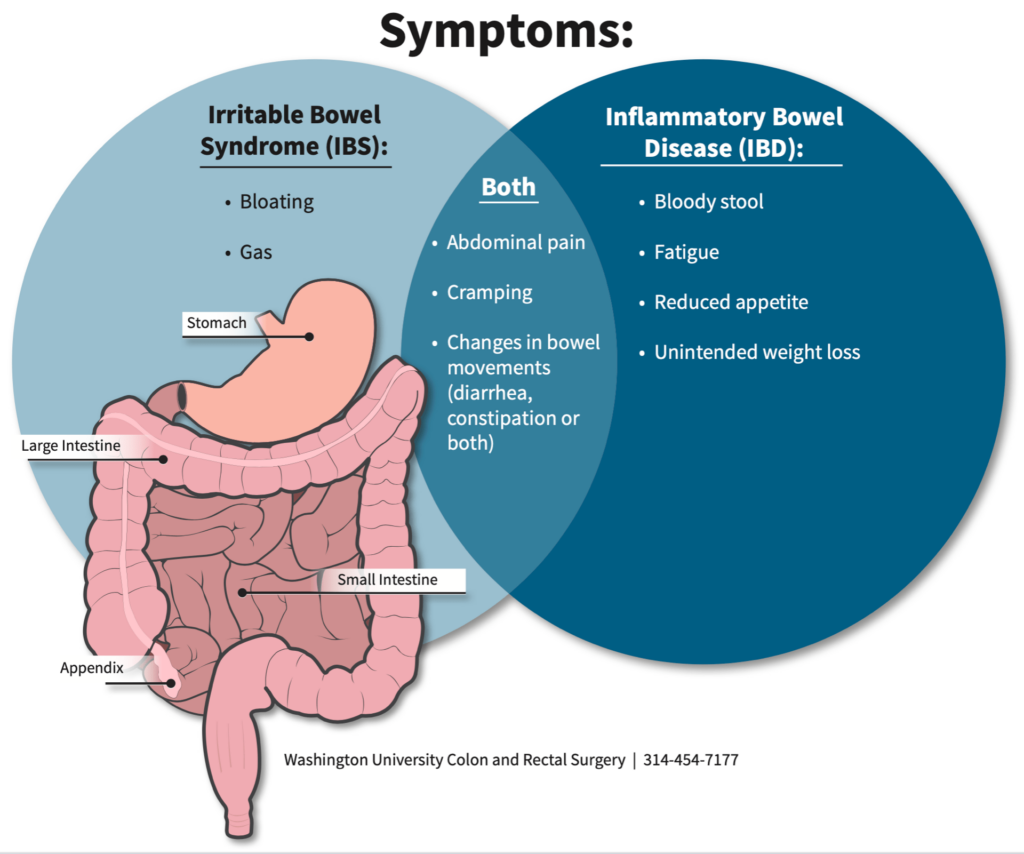


Ovarian cancer can sometimes affect the digestive system, leading to changes in bowel habits.
Possible symptoms include:
-
Constipation
-
Diarrhea
-
Increased gas
-
Digestive discomfort
These symptoms may be mistaken for common gastrointestinal issues, which can delay diagnosis.
7. Back Pain


Some women report persistent lower back pain before diagnosis.
Pain may occur when tumors or inflammation affect surrounding tissues and nerves in the pelvic region.
This discomfort may gradually worsen or persist for long periods.
8. Unexplained Weight Changes


Unexpected weight loss or weight gain can also occur.
Weight gain may result from fluid buildup in the abdomen, while weight loss may happen due to reduced appetite or metabolic changes.
Any unexplained change in body weight should be discussed with a healthcare professional.
Why Awareness Matters
Because ovarian cancer symptoms can resemble many common conditions, they are often overlooked or misinterpreted. Health experts emphasize that symptoms occurring frequently—especially daily for several weeks—should be evaluated by a doctor.
Early detection can significantly improve treatment outcomes.
Regular gynecological checkups, awareness of family medical history, and attention to persistent body changes are important steps in protecting women’s health.
Final Thoughts
The body often provides subtle clues when something is not right. Persistent bloating, pelvic discomfort, appetite changes, and unusual fatigue should not be ignored, especially when they occur together.
Being aware of these warning signs and seeking medical advice early can help ensure timely diagnosis and better treatment possibilities.