Diabetes is one of the most common chronic health conditions worldwide, affecting millions of people every year. What makes the disease particularly dangerous is that its early symptoms can be subtle and easy to overlook. In many cases, the body begins sending warning signals long before a diagnosis is made.
Interestingly, some of these signals tend to appear or become more noticeable during the night, when the body is resting and people are more aware of unusual sensations. Health experts say recognizing these early signs can help individuals seek medical advice sooner and reduce the risk of complications.
Below are nine silent signs of diabetes that may become noticeable at night.
1. Frequent nighttime urination
One of the earliest signs of elevated blood sugar levels is the need to urinate more frequently. When glucose levels in the bloodstream rise, the kidneys work harder to remove excess sugar from the body.
This can lead to waking up several times during the night to use the bathroom, which disrupts sleep and may signal an underlying issue.
2. Excessive thirst
Because the body loses more fluid through frequent urination, people with high blood sugar levels may experience constant thirst. This feeling may become especially noticeable at night, causing individuals to wake up needing water.
Persistent thirst combined with frequent urination can be an important warning sign.
3. Leg cramps or tingling
Some people experience leg cramps, burning sensations, or tingling in their feet and legs at night. These symptoms may be related to nerve irritation caused by prolonged high blood sugar levels.
Nerve-related discomfort often becomes more noticeable during periods of rest, such as when lying in bed.
4. Night sweats
Although night sweats can have several causes, they may sometimes occur when blood sugar levels fluctuate during sleep. Sudden drops or spikes in glucose levels can trigger sweating episodes that interrupt rest.
If night sweats occur frequently, it may be worth discussing with a healthcare professional.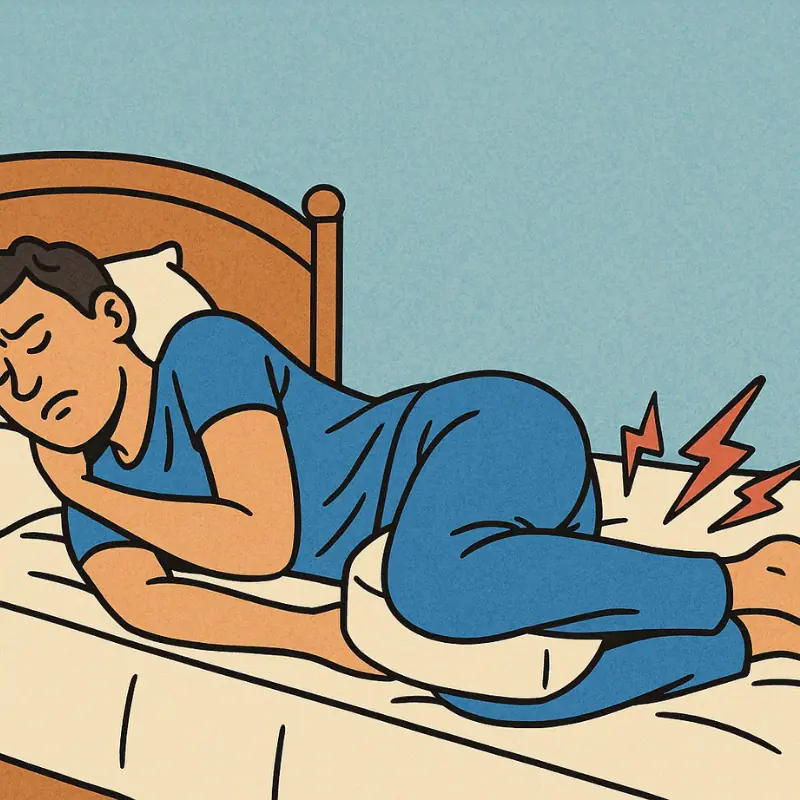
5. Difficulty sleeping
Unstable blood sugar levels can affect the body’s ability to maintain restful sleep. Some people with undiagnosed diabetes report frequent waking, restlessness, or poor sleep quality.
Sleep disturbances may not seem serious at first, but they can indicate deeper metabolic changes in the body.
6. Restless legs
A condition known as restless leg syndrome can also be linked to metabolic disorders, including diabetes. People may feel an uncomfortable urge to move their legs when trying to sleep.
This sensation often improves when the legs are moved but returns once the body becomes still again.
7. Increased hunger late at night
When blood sugar levels fluctuate, the body may send signals that it needs more energy. This can lead to unusual hunger late at night, even after a full meal earlier in the evening.
Persistent nighttime hunger may be another signal worth paying attention to.
8. Slow healing of small wounds
Small cuts, scratches, or insect bites may take longer to heal when blood sugar levels remain elevated. People may notice minor injuries on their feet or legs that seem to heal slowly over time.
This occurs because high glucose levels can affect circulation and the body’s natural healing process.
9. Fatigue despite rest
Feeling tired even after a full night’s sleep may be another subtle sign. When the body cannot properly use glucose for energy, cells may struggle to function efficiently.
This can leave people feeling exhausted even if they appear to have rested normally.
Why early awareness matters
Diabetes often develops gradually, which means symptoms can be easy to dismiss or ignore. However, recognizing patterns such as nighttime thirst, frequent urination, or leg discomfort may provide early clues.
Early diagnosis allows individuals to make lifestyle changes, receive proper medical care, and reduce the risk of serious complications.
Listen to your body
The illustration showing nighttime leg discomfort and foot care highlights how the body can communicate health concerns in subtle ways. Paying attention to these signals—especially those that appear repeatedly—can make an important difference.
If several of these symptoms occur regularly, consulting a healthcare professional for proper evaluation is the safest step.