Snakes are an important part of the ecosystem. They help control pests such as rodents, insects, and other small animals that can damage crops or spread disease. However, many people prefer to keep snakes away from their homes, gardens, and yards for safety reasons.
While snakes are not directly attracted to plants themselves, certain types of vegetation can create environments that snakes find comfortable. Dense foliage, damp soil, and plants that attract rodents or insects can make an area more appealing for snakes to hide, hunt, or rest.
On the other hand, some plants are believed to produce strong scents or textures that snakes tend to avoid, making them useful additions to gardens where people want to discourage snakes from staying nearby.
Understanding which plants may attract snakes and which ones may help deter them can help homeowners create a safer and more balanced outdoor environment.
Why Snakes Are Attracted to Certain Plants
Snakes usually look for three main things when choosing a place to stay:
-
Shelter – Dense plants provide shade and hiding places.
-
Food sources – Plants that attract rodents, frogs, or insects can indirectly attract snakes.
-
Moist environments – Some plants retain moisture in the soil, which many snake species prefer.
Because of these factors, certain types of plants can unintentionally create a snake-friendly environment.
6 Plants That Snakes Tend to Favor
These plants do not attract snakes directly, but their structure and growing conditions may create ideal hiding spots or hunting areas.
1. Tall Grass and Dense Ground Cover
Tall grass is one of the most common places where snakes hide. Thick grass provides excellent cover and helps snakes stay hidden from predators and humans.
If grass grows too long or becomes dense, it can create cool and shaded areas that snakes may use for shelter.
Keeping lawns trimmed and removing excessive ground cover can reduce potential hiding spots.
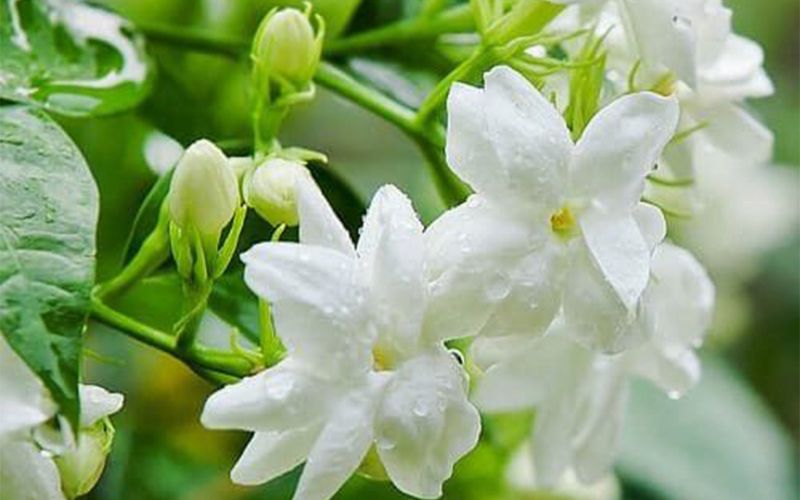
2. Jasmine
Jasmine plants are popular for their fragrant flowers and ornamental beauty. However, their dense vines and bushy growth can create shaded areas where snakes may hide.
Jasmine hedges also attract insects and small animals that can serve as food for snakes.
If jasmine is grown near homes, it is helpful to keep the plants well-trimmed and spaced properly.
3. Lemongrass
Lemongrass is widely known for its citrus scent and is often used as a natural mosquito repellent. However, large clumps of lemongrass can grow thick and tall, creating ideal hiding spots for snakes.
The dense base of the plant can trap moisture and shade, making it appealing to reptiles seeking cooler environments.
Regular trimming and spacing can help reduce this risk.
4. Banana Plants
Banana plants have large leaves and thick stems that create shady, humid environments. Fallen leaves around banana trees can also form natural cover where snakes may hide.
Because banana plants often grow in moist soil conditions, they can attract frogs, insects, and small rodents, which in turn may attract snakes.
Proper garden maintenance can help reduce these conditions.

5. Palm Plants
Palm plants and decorative palms are common in gardens and landscapes. However, their broad leaves and dense bases can create hiding spaces for small animals.
Fallen palm fronds and debris around the base of the plant may also create sheltered areas that snakes might use.
Cleaning fallen leaves regularly can help keep the area less attractive to wildlife.
6. Thick Ivy and Climbing Vines
Ivy and climbing plants that grow along fences or walls can create cool and protected hiding spots.
These plants can also provide pathways for rodents and insects, increasing the likelihood of snakes appearing in the area.
Regular pruning and maintenance are important if ivy is grown near living spaces.
3 Plants That May Help Repel Snakes Naturally
Some plants are believed to produce strong odors or textures that snakes find unpleasant. While these plants are not guaranteed to completely prevent snakes, they may help discourage them from lingering nearby.
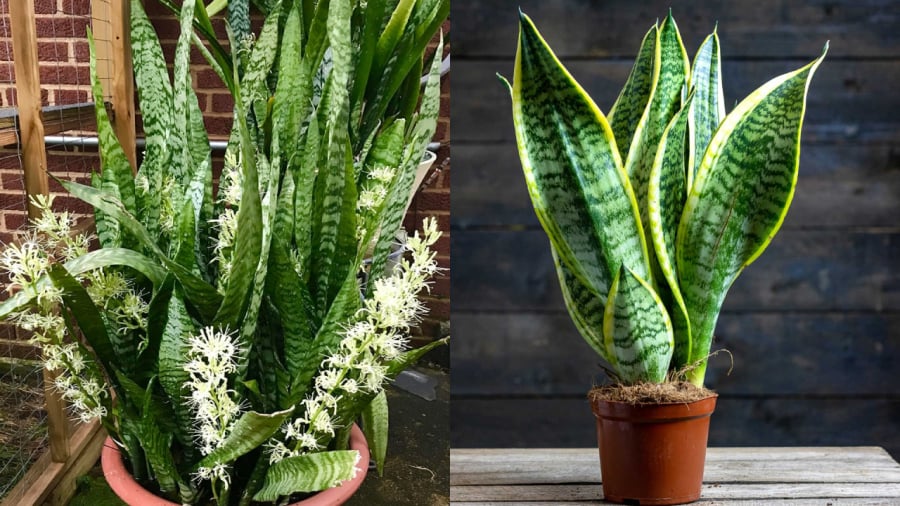
1. Snake Plant (Sansevieria)
The snake plant, also known as mother-in-law’s tongue, is believed in some traditional practices to help deter snakes because of its sharp, upright leaves and strong scent.
The plant’s rigid leaves may create an uncomfortable surface for snakes to move through.
In addition, snake plants are easy to grow and require minimal maintenance, making them popular for both indoor and outdoor gardens.
2. Marigold
Marigolds are bright, colorful flowers often planted in vegetable gardens to help repel insects.
They produce a strong aroma that some pests dislike, and it is believed that this scent may also discourage certain reptiles from approaching.
Marigolds also attract beneficial insects and help improve garden biodiversity.
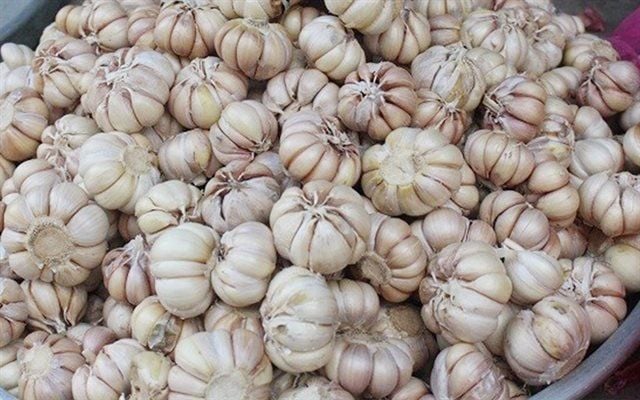
3. Garlic
Garlic has a strong, pungent smell that many animals find unpleasant.
Some gardeners believe that planting garlic around the perimeter of a garden or yard can help create a scent barrier that discourages snakes from entering.
Garlic is also easy to grow and has many culinary uses, making it a practical addition to home gardens.
Additional Tips for Keeping Snakes Away from the Yard
While plants can influence the environment, the most effective way to reduce snake presence is through good yard maintenance.
Helpful strategies include:
-
Keeping grass trimmed and vegetation controlled
-
Removing piles of leaves, wood, or debris
-
Sealing holes around buildings and fences
-
Reducing rodent populations
-
Keeping outdoor areas clean and uncluttered
Snakes are more likely to appear in areas where food and shelter are easily available.
The Role of Snakes in the Ecosystem
Although many people fear snakes, they play an important role in maintaining ecological balance.
Snakes help control populations of rodents and pests that may otherwise damage crops or spread disease. Many snake species are non-venomous and prefer to avoid human contact.
Understanding how to manage outdoor environments can help reduce unwanted encounters while still respecting the natural role snakes play in ecosystems.
Final Thoughts
Plants themselves do not usually attract snakes directly. Instead, certain types of vegetation can create environments that provide shelter, shade, and access to food sources.
Plants such as tall grass, jasmine, lemongrass, banana plants, palms, and dense ivy may unintentionally provide hiding places for snakes. Meanwhile, plants like snake plant, marigold, and garlic are often believed to help discourage them.
Maintaining a clean, well-managed yard combined with thoughtful plant choices can help reduce the likelihood of snakes appearing near homes.
By understanding how garden environments influence wildlife, homeowners can create outdoor spaces that are both beautiful and comfortable while minimizing unwanted visitors.