Smartphones have become an essential part of daily life. From communication and navigation to entertainment and work, most people rely heavily on their phones throughout the day. Because of this constant use, maintaining good battery health is important to ensure that a phone continues to perform well over time.
Many people assume that the best way to care for a phone battery is to charge it to 100% whenever possible and allow it to drop to very low levels before charging again. However, modern battery technology works differently from what many people believe. Understanding when and how to charge a phone can help extend the lifespan of the battery and maintain its performance for longer.
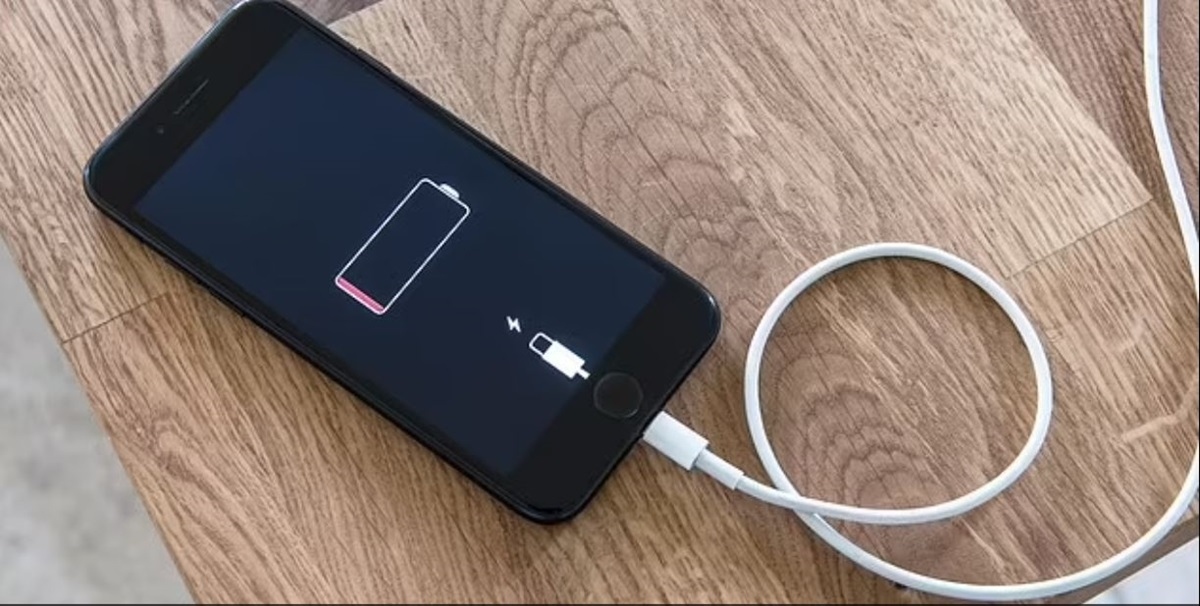
Understanding Lithium-Ion Batteries
Most modern smartphones use lithium-ion batteries. These batteries are designed to be lightweight, rechargeable, and capable of storing a large amount of energy in a compact space.
Unlike older battery technologies, lithium-ion batteries do not suffer from the “memory effect,” which once required devices to be fully discharged before recharging. Instead, lithium-ion batteries perform best when they operate within a moderate charge range.
Frequent full discharges and constant charging to 100% can place additional stress on the battery’s internal chemistry, gradually reducing its capacity over time.
The Ideal Charging Range
Battery experts often suggest keeping a phone’s battery level between 20% and 80% whenever possible. This range helps reduce strain on the battery and slows down the natural aging process of lithium-ion cells.
When a battery drops below very low levels, the internal voltage decreases significantly, which can stress the battery. On the other hand, keeping the battery at 100% for long periods places it under higher voltage, which can also accelerate wear.
Charging the phone when the battery reaches around 20–30% and unplugging it before it reaches full capacity may help maintain battery health over the long term.
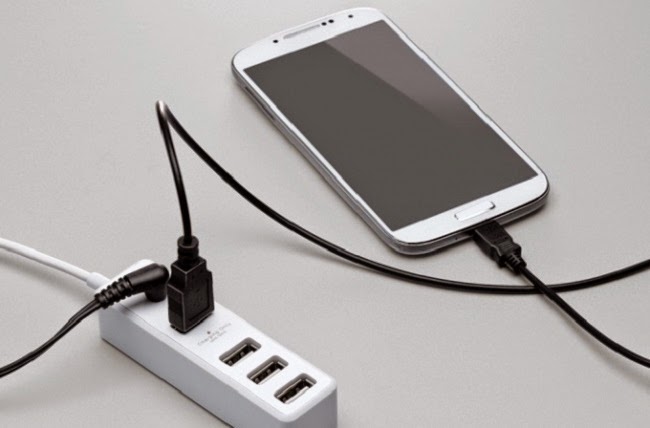
Why Avoid Constant Full Charging
Charging a phone to 100% occasionally is not harmful, but doing it constantly—especially leaving the phone plugged in overnight every day—may contribute to faster battery degradation.
When the battery reaches full charge, the voltage inside the battery cells is at its highest level. If the phone remains at that level for extended periods, it may slowly wear down the battery’s chemical structure.
Some newer smartphones include features such as optimized charging, which temporarily pauses charging around 80% and completes the charge later when the phone predicts it will be used.
The Problem With Letting the Battery Drop Too Low
Allowing a phone battery to reach extremely low levels, such as below 10%, can also increase stress on the battery.
When lithium-ion batteries are deeply discharged, the internal components experience additional strain. Over time, frequent deep discharges can reduce the battery’s ability to hold a charge.
For this reason, it is generally better to charge the phone before the battery becomes critically low.
Short Charging Sessions Are Actually Helpful
Many people believe that batteries should be charged in long, uninterrupted sessions. In reality, short and frequent charging sessions are perfectly fine for lithium-ion batteries.
Plugging in the phone for short periods during the day—such as when working at a desk or during a commute—can help keep the battery within the ideal range.
This approach prevents both deep discharges and prolonged periods at full charge.
Heat Is One of the Biggest Battery Enemies
In addition to charging habits, temperature plays a major role in battery lifespan. Excessive heat can accelerate battery wear and reduce overall performance.
Phones may become warm during heavy tasks such as gaming, video recording, or running demanding apps. Charging the phone while it is already hot may further increase internal temperature.
To protect the battery, it is best to charge the phone in a cool environment and avoid covering it with pillows or blankets while charging.
.jpg)
Charging Habits That Help Protect Battery Health
There are several simple habits that can help extend the lifespan of a smartphone battery:
-
Charge the phone when the battery level falls to around 20–30%
-
Unplug the device around 80–90% when possible
-
Avoid frequent deep discharges below 10%
-
Use original or certified chargers designed for the device
-
Avoid exposing the phone to excessive heat during charging
-
Enable built-in battery optimization features if available
These small habits can help maintain battery performance for a longer period.
Modern Phones Include Battery Protection Features
Many smartphone manufacturers now include software features designed to improve battery longevity.
For example, some phones learn the user’s daily charging routine and delay the final stage of charging until shortly before the device is expected to be unplugged. This reduces the time the battery spends at full charge.
Other devices include battery health monitoring tools that provide information about charging patterns and battery condition.
These technologies help protect batteries, but good charging habits can still make a difference.
Conclusion
Taking care of a smartphone battery does not require complicated techniques, but understanding how lithium-ion batteries work can help extend their lifespan. Keeping the battery between 20% and 80%, avoiding extreme charge levels, and preventing overheating are some of the most effective ways to maintain battery health.
Charging the phone when the battery reaches around 20–30% and unplugging it before it remains at full capacity for long periods can reduce stress on the battery’s internal components.
By adopting these simple charging habits, smartphone users can help ensure their devices remain reliable and efficient for years to come.