Keeping the kitchen clean is an important part of maintaining a healthy and comfortable home. Among all kitchen appliances, the gas stove is one of the most frequently used and easily stained surfaces. Oil splashes, food spills, and grease can quickly accumulate on the stove during everyday cooking. Over time, these stains may become sticky and difficult to remove, leaving the stove looking dull and dirty.
Fortunately, cleaning a gas stove does not always require expensive cleaning products or strong chemicals. One simple and effective solution that many households already have is white vinegar. Known for its natural cleaning properties, white vinegar can help dissolve grease, remove stains, and restore shine to kitchen surfaces.
Using white vinegar to clean a gas stove is not only affordable but also environmentally friendly. With a few simple steps, you can make your stove look clean and shiny again.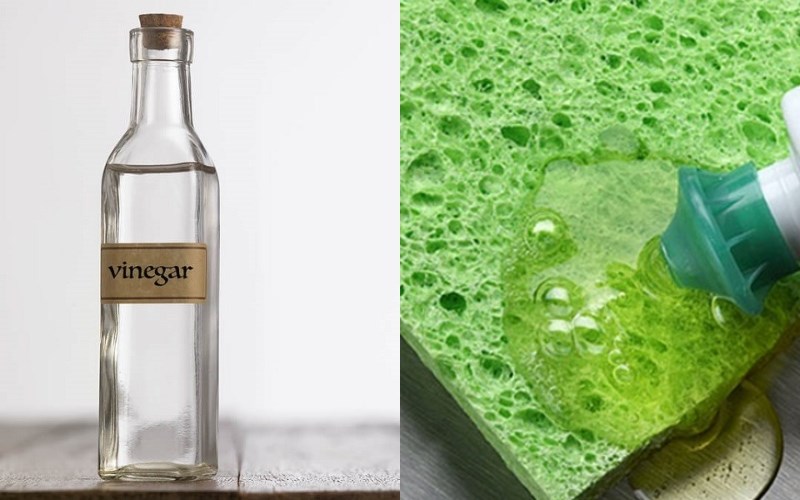
Why White Vinegar Is Effective for Cleaning
White vinegar contains acetic acid, a natural substance that helps break down grease, mineral deposits, and stubborn stains. This mild acid works well for cleaning kitchen surfaces because it dissolves residue without damaging most materials.
Another advantage of white vinegar is its ability to neutralize odors. Cooking smells, burnt food residue, and grease buildup can sometimes leave unpleasant odors on the stove. Vinegar helps eliminate these odors while cleaning the surface.
Because it is a natural household product, white vinegar is often preferred by people who want to avoid harsh chemicals in their homes.
Step 1: Turn Off the Stove and Allow It to Cool
Before cleaning any cooking appliance, safety should always come first. Make sure the gas stove is completely turned off and cool to the touch before beginning the cleaning process.
Cleaning a hot stove can cause burns and may also cause cleaning solutions to evaporate too quickly. Allowing the stove to cool ensures that the cleaning process will be both safe and effective.
Once the stove has cooled, remove any loose food crumbs or debris using a dry cloth or paper towel.
Step 2: Remove Stove Grates and Burner Covers
Gas stoves typically have removable parts such as grates and burner caps. These components can collect grease and burnt food over time.
Carefully remove these parts and place them in the sink or a large bowl. This allows you to clean the stove surface more easily while also cleaning the removable components separately.
Spray or pour white vinegar over the grates and burner covers and allow them to soak for several minutes. The vinegar will begin loosening grease and stains.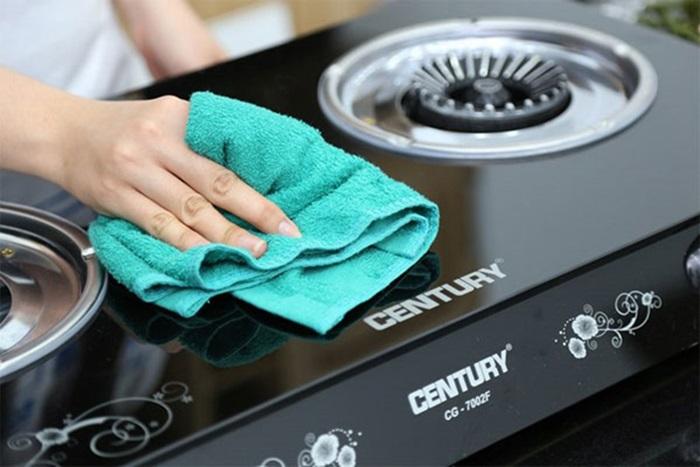
Step 3: Spray Vinegar on the Stove Surface
Pour white vinegar into a spray bottle or simply sprinkle it directly onto the stove surface. Make sure to cover areas where grease or stains are visible.
Allow the vinegar to sit for about three to five minutes. During this time, the vinegar will break down oily residue and soften dried food particles.
If the stains are particularly stubborn, you can sprinkle a small amount of baking soda over the vinegar to create a gentle cleaning reaction. The bubbling action helps loosen stubborn residue.
Step 4: Wipe with a Soft Cloth or Sponge
After letting the vinegar sit for a few minutes, use a soft cloth, sponge, or non-abrasive scrubber to wipe the stove surface. The loosened grease and dirt should come off easily.
Work in circular motions to lift residue from the surface without scratching it. Avoid using steel wool or very rough scrubbers, as these may damage the stove finish.
If necessary, apply a little more vinegar to areas with heavier stains and wipe again.
Step 5: Clean the Stove Grates
While the stove surface is drying, return to the grates and burner covers soaking in vinegar. Use a sponge or brush to scrub them gently.
The vinegar soak should have loosened much of the grease and burnt residue. After scrubbing, rinse the grates with warm water and dry them thoroughly before placing them back on the stove.
Clean grates not only improve the appearance of the stove but also help maintain efficient cooking performance.
Step 6: Final Shine
Once the stove surface has been wiped clean, use a dry microfiber cloth to polish it. This step helps remove any remaining moisture and leaves the surface shiny.
Vinegar naturally helps restore brightness to metal and glass surfaces, so this final wipe can make the stove look almost new again.
Regular cleaning prevents grease from building up and makes future cleaning much easier.
Extra Tips for Keeping Your Gas Stove Clean
Cleaning the stove regularly is one of the best ways to maintain its appearance. Wiping spills immediately after cooking can prevent stains from hardening.
Using lids when cooking can also reduce the amount of oil splashing onto the stove surface. Additionally, placing a protective liner under the burners can help catch spills before they reach the stove surface.
Another helpful habit is performing a quick wipe with vinegar once or twice a week. This prevents grease buildup and keeps the stove shining.
Benefits of Natural Cleaning Methods
Using simple household ingredients like white vinegar offers several advantages. It is inexpensive, widely available, and effective for many types of cleaning tasks.
Unlike some commercial cleaners, vinegar does not contain harsh chemicals that may produce strong fumes. This makes it a safer option for many households, especially in small kitchen spaces.
Natural cleaning methods can also reduce the number of cleaning products needed at home.
Conclusion
A shiny and clean gas stove can make the entire kitchen feel more pleasant and organized. Fortunately, achieving this does not require expensive products or complicated techniques.
White vinegar provides a simple and effective solution for removing grease, dissolving stains, and restoring shine to the stove surface. By following a few easy steps—allowing the stove to cool, removing the grates, applying vinegar, wiping the surface, and polishing the finish—you can quickly bring your gas stove back to its original brightness.
With regular care and simple cleaning habits, maintaining a sparkling stove becomes an easy part of everyday kitchen maintenance.