Garlic is one of the most essential ingredients in kitchens around the world. From stir-fries and soups to sauces and marinades, garlic adds a rich aroma and depth of flavor that enhances many dishes. When visiting a market or grocery store, however, shoppers may notice that garlic bulbs often come in different varieties, most commonly white-skinned garlic and purple-skinned garlic.
At first glance, the difference may seem purely cosmetic, but these two types of garlic can vary slightly in flavor, texture, storage life, and culinary use. Understanding these differences can help home cooks choose the right garlic for their cooking needs and ensure they bring home the freshest bulbs.
Understanding the Two Common Garlic Types
Garlic varieties are usually grouped into two general categories: softneck garlic and hardneck garlic. In many markets, white garlic is often associated with softneck varieties, while purple garlic commonly belongs to the hardneck family, although there can be exceptions.
Softneck garlic tends to have a white papery skin and tightly packed cloves. Hardneck garlic, which may display purple streaks or a purple outer skin, typically has fewer but larger cloves arranged around a central stem.
Both types are widely used in cooking and offer similar nutritional benefits, but their characteristics can influence how they are used in the kitchen.
Appearance and Structure
One of the easiest ways to distinguish between the two is by appearance.
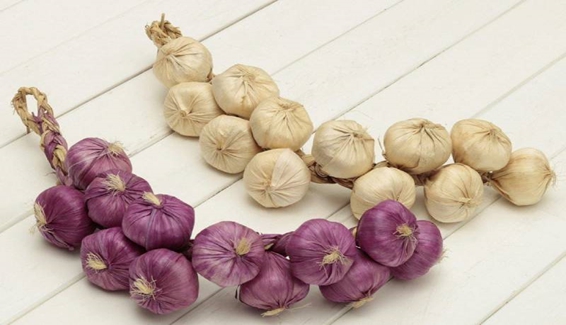
White garlic usually has smooth, pale outer layers and a more uniform look. The cloves inside are typically smaller and more numerous. This type is often the garlic most commonly found in supermarkets because it stores well and can be transported easily.
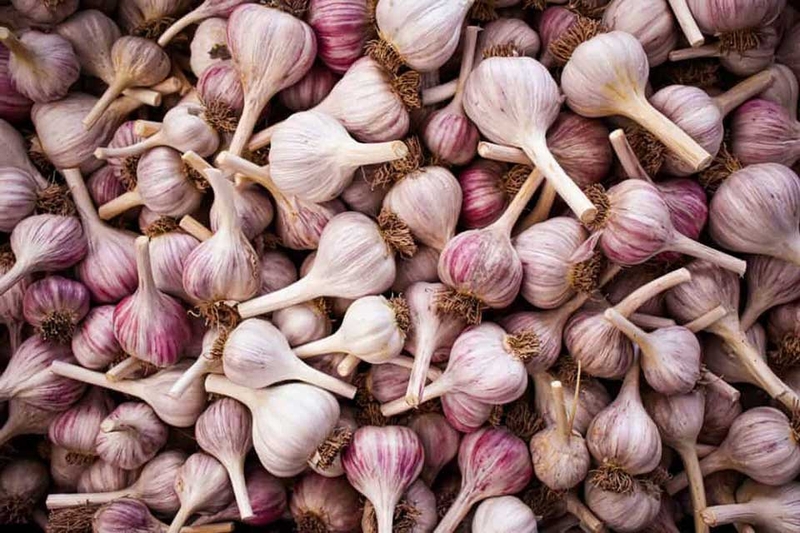
Purple garlic, on the other hand, has outer skins that display purple or reddish streaks. The bulbs often contain fewer cloves, but the cloves themselves are usually larger and easier to peel.
For cooks who prefer larger cloves that are simple to prepare, purple garlic can be particularly convenient.
:quality(75)/nen_chon_toi_vo_tim_hay_vo_trang_01_1c9a03c854.jpg)
Flavor Differences
While both types of garlic provide the familiar pungent flavor people love, there are subtle differences.
White garlic often has a slightly milder and more neutral taste. This makes it suitable for everyday cooking, where garlic is used as a background flavor rather than the main focus of a dish.
Purple garlic is often described as having a stronger, richer, or more complex flavor. Some cooks say it has a slightly spicier or sweeter taste depending on the variety.
Because of its robust flavor, purple garlic is sometimes preferred in dishes where garlic plays a prominent role, such as roasted garlic spreads, sauces, or garlic-heavy recipes.
Ease of Peeling
One practical difference between the two types is how easy they are to peel.
Purple garlic generally has thicker, looser skins that separate easily from the cloves. This can make meal preparation quicker and more convenient.
White garlic tends to have tighter skins that cling closely to the cloves. While this helps protect the bulb during storage, it can sometimes make peeling slightly more difficult.
For people who cook frequently and want to save time in the kitchen, this small difference can be noticeable.
Storage Life
One of the reasons white garlic is widely sold in supermarkets is its longer shelf life.
Softneck varieties, which often have white skins, are known for storing well for several months when kept in a cool, dry place. This makes them ideal for long-term storage and large-scale distribution.
Purple garlic, which is often a hardneck variety, typically has a shorter storage period. It is usually best consumed within a few weeks or a couple of months after purchase.
If you buy garlic in large quantities and want it to last a long time, white garlic may be the more practical choice.

Culinary Uses
Both types of garlic can be used in almost any recipe, but some cooks prefer one over the other depending on the dish.
White garlic is commonly used for everyday cooking, including soups, stir-fries, pasta sauces, and marinades. Its balanced flavor works well in a wide variety of cuisines.
Purple garlic, with its stronger flavor, is often favored for roasting, making garlic butter, or preparing dishes where garlic is a key ingredient. Roasting purple garlic can produce a rich, sweet flavor that many chefs appreciate.
Nutritional Value
From a nutritional perspective, both white and purple garlic offer similar health benefits. Garlic contains compounds such as allicin, which is associated with potential antimicrobial and antioxidant properties.
Garlic is also a source of vitamins and minerals such as vitamin C, vitamin B6, manganese, and selenium. These nutrients contribute to general health and support normal body functions.
Because both types provide comparable nutritional value, the choice between them usually depends more on flavor preference and cooking needs.
How to Choose Fresh Garlic at the Market
Regardless of color, freshness is the most important factor when selecting garlic.
A good garlic bulb should feel firm and heavy for its size. The outer skin should be dry and intact, without signs of mold or moisture.
Avoid bulbs that feel soft, have green sprouts, or show dark spots. These signs may indicate that the garlic is aging or beginning to spoil.
Tightly packed cloves and dry papery skins usually indicate fresh, high-quality garlic.
Conclusion
Both white and purple garlic have their own advantages, and neither is universally better than the other. White garlic often has a longer shelf life and a milder flavor, making it a practical choice for everyday cooking and storage.
Purple garlic typically offers larger cloves, easier peeling, and a stronger flavor that many cooks enjoy in more garlic-forward dishes.
Ultimately, the best choice depends on personal preference, cooking style, and how quickly the garlic will be used. By understanding the differences between these two types, shoppers can make more informed decisions and enjoy the rich flavor that garlic brings to countless meals.