Rice is a staple food in many cultures, but in Japan, it holds a particularly special place in daily life. Freshly cooked rice is valued for its soft texture, subtle sweetness, and comforting warmth. However, cooking rice every single day can be time-consuming, especially for busy households.
That’s why many Japanese families have developed smart, efficient methods to store cooked rice while maintaining its quality for weeks. The idea isn’t just about convenience - it’s about preserving taste, texture, and safety at the same time.
The Key Principle: Freezing, Not Refrigerating
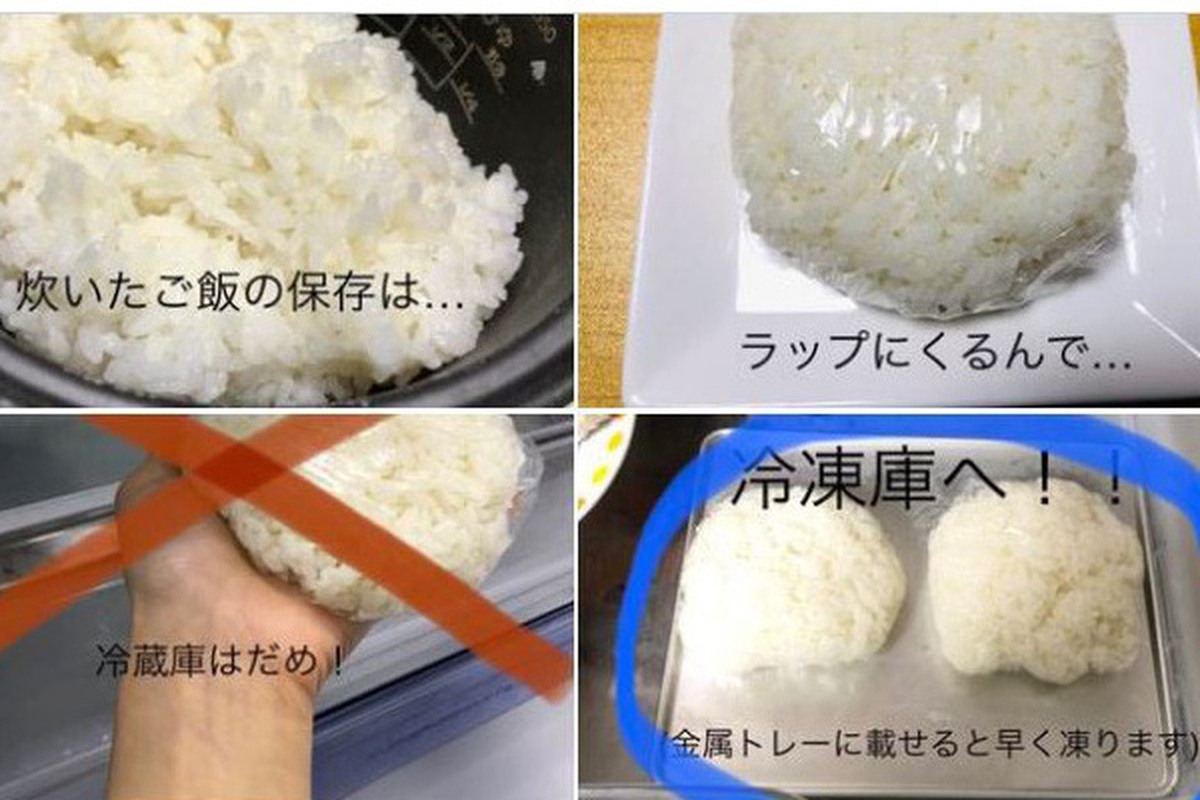
The biggest mistake many people make is storing cooked rice in the refrigerator. While it may seem like a logical choice, refrigeration actually dries out the rice and makes it hard and less flavorful.
In Japan, the preferred method is freezing cooked rice immediately after it has cooled slightly. Freezing helps lock in moisture and prevents bacterial growth, allowing the rice to stay fresh for a much longer time—up to a month or even longer if done properly.
Step-by-Step: The Japanese Storage Method
1. Cook Rice Properly
Start with freshly cooked rice, ideally using short-grain Japanese rice, which has a slightly sticky texture. This type of rice retains moisture better during freezing and reheating.
2. Let It Cool Slightly
After cooking, allow the rice to cool for a few minutes. It should still be warm but not steaming hot. This prevents condensation, which can lead to ice crystals.
3. Portion the Rice
Divide the rice into individual servings. This makes it easier to reheat only what you need, avoiding waste.
4. Wrap It Tightly
Wrap each portion in plastic wrap, shaping it into a flat or compact form. This helps preserve moisture and ensures even reheating later.
5. Store in Airtight Containers
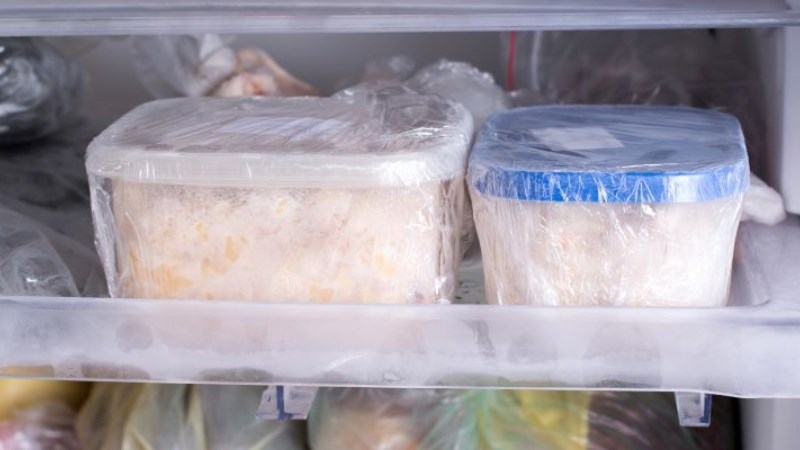
Place the wrapped portions into a freezer-safe bag or container. Removing excess air is important to prevent freezer burn.
6. Freeze Immediately
Put the rice into the freezer as soon as possible. Quick freezing helps maintain the original texture and flavor.
How to Reheat Frozen Rice
One of the reasons this method is so popular is how easy it is to bring the rice back to life.
- Microwave method:
Place the frozen rice (still wrapped or slightly opened) into the microwave and heat for a few minutes. The steam generated inside restores moisture and softness. - Steaming method:
For an even more authentic texture, rice can be reheated using a steamer. This method closely mimics freshly cooked rice.
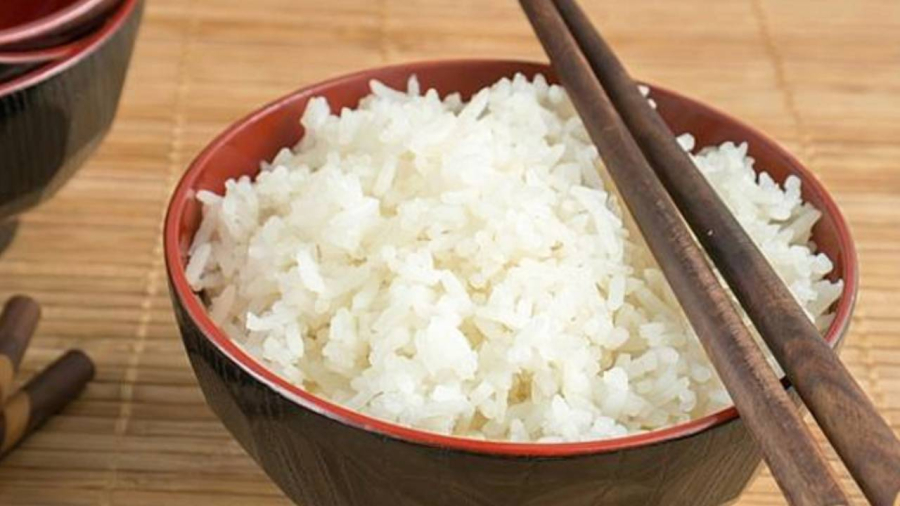
After reheating, the rice should be soft, fluffy, and almost indistinguishable from freshly made rice.
Why This Method Works So Well
This Japanese technique is effective because it focuses on moisture retention and temperature control:
- Freezing stops bacterial growth
- Proper wrapping prevents moisture loss
- Quick reheating restores original texture
Unlike refrigeration, which slowly dehydrates rice, freezing preserves its internal structure. This is why frozen rice often tastes better than refrigerated rice after reheating.
Common Mistakes to Avoid
Even though the method is simple, a few mistakes can affect the final result:
- Leaving rice out too long before freezing (can lead to bacterial growth)
- Not sealing properly (causes freezer burn and dryness)
- Freezing rice in large clumps (makes reheating uneven)
- Reheating without moisture (results in hard, dry rice)
Paying attention to these small details can make a big difference.
Is It Really Safe to Store Rice for a Month?
Yes—when handled properly. Cooked rice can develop bacteria like Bacillus cereus if left at room temperature for too long. However, freezing the rice quickly after cooking significantly reduces this risk.
As long as the rice is:
- Stored in airtight conditions
- Frozen promptly
- Reheated thoroughly
…it remains safe to eat even after several weeks.
A Smart Habit for Modern Life
This method reflects a broader aspect of Japanese culture: efficiency without sacrificing quality. It allows people to save time, reduce food waste, and still enjoy delicious meals every day.
Whether living alone, managing a busy schedule, or simply looking for practical kitchen hacks, this approach offers a reliable solution.
Final Thoughts
The Japanese method of storing cooked rice is simple, practical, and surprisingly effective. By freezing rice in individual portions and reheating it properly, it’s possible to enjoy fresh-tasting rice anytime - without the need to cook from scratch every day.
Sometimes, the smartest kitchen habits are not about doing more, but about doing things better. And this method proves that even something as basic as rice can be elevated with the right technique.