When electricity bills suddenly spike, most people immediately blame the air conditioner. And it makes sense - air conditioners are known to consume a significant amount of energy, especially during hot seasons. But what if the real culprit isn’t your AC at all?
In many homes, there are silent energy drains - devices that consume electricity continuously without drawing much attention. These unnoticed “electricity thieves” can quietly add up over time, leading to surprisingly high monthly bills.

Meet the Real Culprit: Devices on Standby Mode
One of the biggest hidden energy consumers in modern households is standby power, often referred to as “phantom load” or “vampire energy.”
These are devices that continue to use electricity even when they appear to be turned off. Common examples include:
- Televisions and set-top boxes
- Phone and laptop chargers left plugged in
- Microwaves with digital displays
- Wi-Fi routers running 24/7
- Gaming consoles in sleep mode
Individually, each device may consume only a small amount of power. But together, they can account for 5–10% (or more) of a household’s total electricity usage.
Why Standby Devices Consume Power
Many modern electronics are designed to remain partially active even when not in use. This allows them to:
- Start instantly when turned on
- Maintain internal memory or settings
- Stay connected to the internet or remote controls
While convenient, this constant low-level energy use becomes a hidden cost over time.
Other Sneaky Electricity Thieves
Besides standby devices, there are other overlooked energy consumers that might be increasing your bill:
1. Old or Inefficient Appliances
Older refrigerators, washing machines, or fans often consume more electricity than newer, energy-efficient models.
2. Water Heaters
Electric water heaters, especially those left on continuously, can use a large amount of energy without being noticed.
3. Poor Insulation
If your home isn’t well insulated, appliances like air conditioners have to work harder—indirectly increasing energy usage.
4. Lighting Choices
Traditional incandescent bulbs consume much more electricity compared to LED lights.
Why You Might Not Notice the Problem
Unlike an air conditioner, which is visibly running and easy to blame, these hidden devices:
- Operate silently
- Consume small amounts individually
- Run continuously throughout the day
Because of this, they often escape attention—even though their combined impact is significant.
How to Identify Hidden Energy Usage
If your electricity bill seems unusually high, consider these steps:
- Check plugged-in devices that are not actively in use
- Monitor usage patterns—notice if consumption remains high even when major appliances are off
- Use a power meter to measure how much electricity specific devices consume
- Look for always-on electronics that rarely get unplugged
Awareness is the first step to reducing unnecessary energy consumption.
Simple Ways to Reduce Your Power Bill
You don’t need drastic changes to see results. Small habits can make a big difference:
- Unplug chargers and devices when not in use
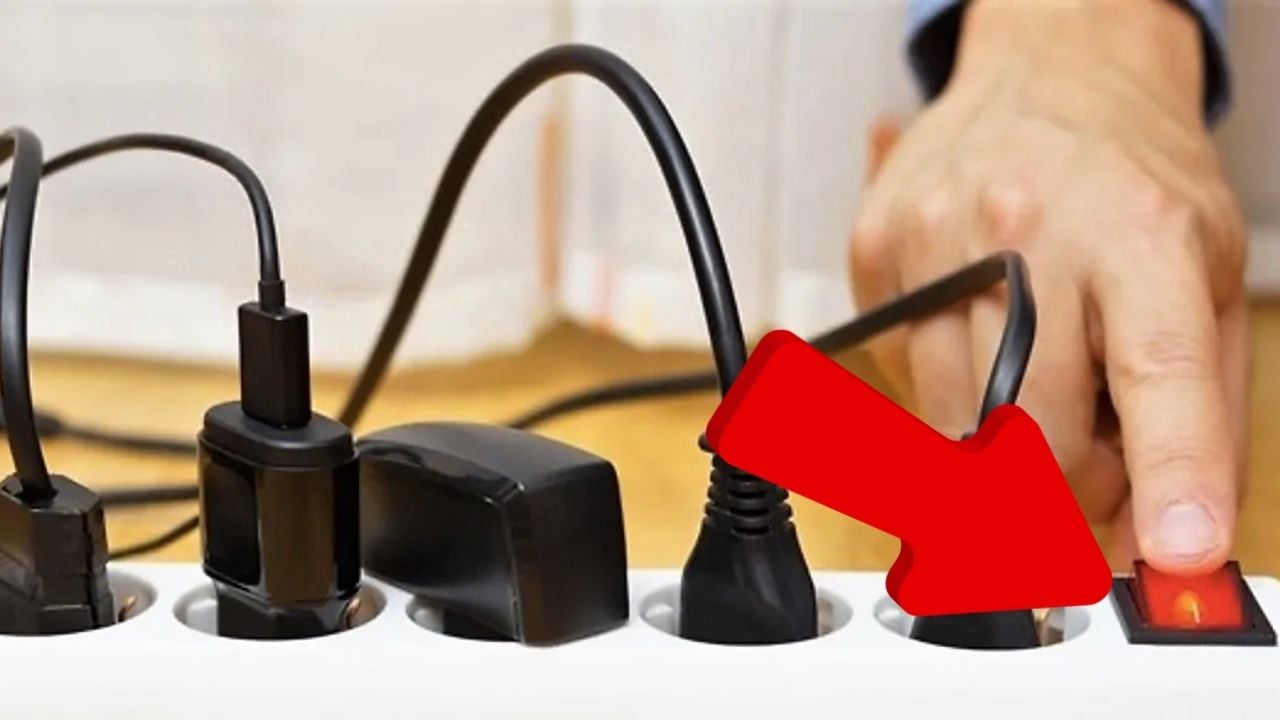
- Use power strips to easily turn off multiple devices at once
- Switch to energy-efficient appliances
- Replace old light bulbs with LEDs
- Turn off water heaters when not needed
- Set timers for devices that don’t need to run continuously
These actions may seem minor, but over time, they can significantly lower electricity costs.
A Smarter Way to Think About Energy Use
The key takeaway is simple: not all energy consumption is visible. While large appliances like air conditioners do use a lot of power, they are not always the main reason for high bills.
Often, it’s the combination of small, unnoticed devices that quietly drain electricity day after day.
Final Thoughts
Before blaming your air conditioner for rising electricity costs, take a closer look at what’s happening behind the scenes. That “harmless” charger left plugged in or the TV on standby might be contributing more than expected.
By identifying and managing these hidden energy drains, you can take control of your electricity usage—without sacrificing comfort. Sometimes, the real problem isn’t the obvious one, but the one quietly running in the background.