6 Types of Fish You Should Avoid—No Matter How Cheap They Are
Fish is widely considered a healthy food, rich in protein and essential nutrients like omega-3 fatty acids. However, not all fish are equally safe. Experts warn that some types of fish—especially cheaper options—may carry harmful toxins, pollutants, or unsafe farming practices that could pose risks to your health.
Understanding which fish to limit or avoid can help you make safer dietary choices.
The Hidden Risk Behind Cheap Fish
Many low-cost fish varieties are affordable for a reason. Some may come from polluted waters, while others are raised in environments where antibiotics, chemicals, or poor-quality feed are used.
One major concern is mercury contamination, a toxic heavy metal that accumulates in fish over time and can harm the brain, nervous system, and internal organs when consumed excessively.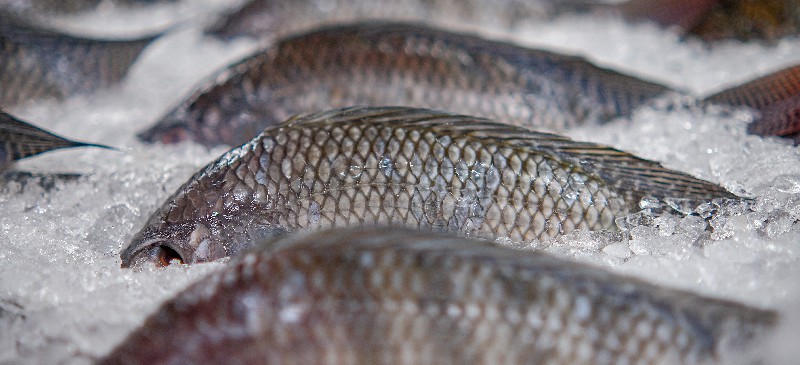
1. Catfish (Especially Imported Varieties)
Catfish is a common and inexpensive option, but not all sources are equal. Imported catfish may be raised in poor water conditions and sometimes exposed to chemicals or antibiotics.
Some studies have found residues of harmful substances in certain imported catfish, raising concerns about long-term health effects.
2. Ocean Perch (Redfish)
Ocean perch, often found in deep waters, is known to accumulate higher levels of mercury due to its habitat and diet.
Because these fish live longer and feed on smaller fish, toxins build up in their bodies over time, increasing potential risks when consumed regularly.
3. Mackerel (Certain Types)
While mackerel is rich in healthy omega-3 fatty acids, some varieties—especially larger species—can contain elevated mercury levels.
Experts suggest choosing safer types like Atlantic mackerel while limiting consumption of high-mercury species.
4. Eel
Eel is considered a delicacy in many cuisines, but it is also known for its ability to absorb pollutants from water, including industrial waste.
This makes eel more likely to carry toxins that may affect long-term health if eaten frequently.
5. Large Predatory Fish
Fish that sit at the top of the food chain—such as certain large species—tend to accumulate the highest levels of mercury due to a process called bioaccumulation.
The larger and older the fish, the greater the risk of toxin buildup.
6. Cheap Frozen Fish of Unknown Origin
Extremely cheap frozen fish may go through multiple freeze–thaw cycles, affecting both quality and safety.
Poor handling and storage conditions can lead to bacterial growth, loss of nutrients, and unpleasant taste or texture.
What Fish Should You Choose Instead?
Not all fish are harmful. In fact, many are highly beneficial when chosen carefully. Experts recommend opting for:
- Wild-caught salmon
- Sardines
- Anchovies
- Herring
These fish are typically lower in mercury and rich in omega-3 fatty acids, supporting heart and brain health.
The Bottom Line
While fish can be a nutritious part of your diet, choosing the wrong type—especially based solely on price—may expose you to hidden health risks.
Being mindful of sourcing, quality, and contamination levels can help you enjoy the benefits of seafood without compromising your well-being.