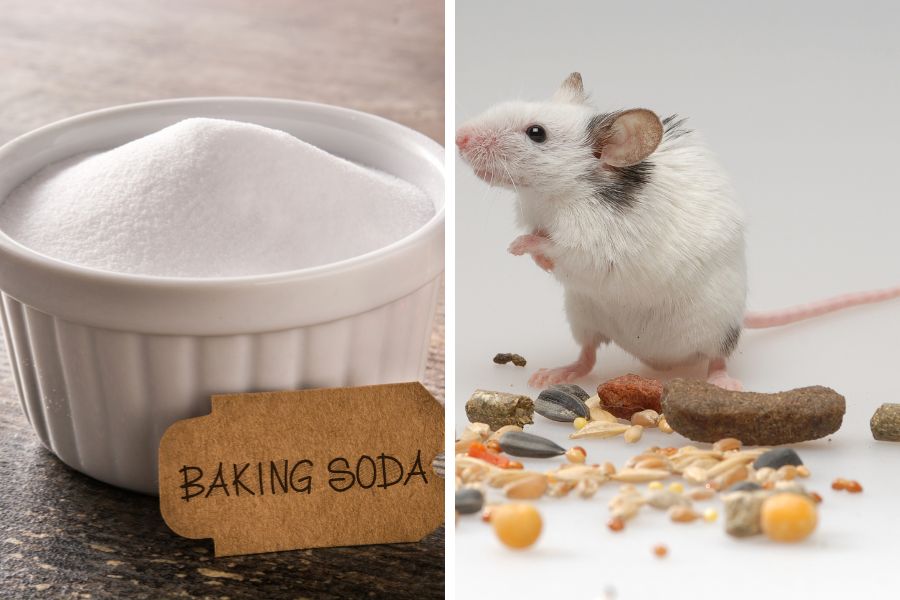
Why Mice Keep Showing Up in Your Home
Mice are small, but the problems they bring are anything but. Once they find a way into your home, they can quickly multiply, damage furniture, contaminate food, and spread bacteria. What makes mice especially difficult to deal with is how easily they adapt - they can squeeze through tiny gaps, hide in dark corners, and survive on minimal food.
The main reason mice invade homes is simple: they are looking for food, warmth, and shelter. Kitchens, storage areas, and even bedrooms can become ideal environments if crumbs, leftovers, or clutter are present.
Instead of relying on expensive traps or harsh chemicals, many people are now turning to simple, household-based solutions - one of the most talked-about methods involves rice combined with a specific ingredient.

The Simple Trick: Rice + Cement Powder
Yes, it sounds unusual—but this method has gained attention because of its simplicity and effectiveness. The idea is to mix uncooked rice with cement powder and place it in areas where mice are commonly seen.
Here’s why it works:
- Mice are attracted to rice because it is a familiar food source
- When they eat the mixture, the cement reacts with moisture inside their bodies
- This reaction causes the mixture to harden, making it difficult for them to survive
It’s a low-cost method that uses materials easily found at home, which is why it has become popular in many households.
How to Use This Method Safely
If planning to try this approach, it’s important to apply it carefully:
- Mix a small amount of dry cement powder with uncooked rice
- Place the mixture in shallow containers or lids
- Put them in areas where mice are active (behind cabinets, near walls, under sinks)
- Keep the mixture away from children and pets, as it is not safe for accidental ingestion
Safety is key. While the method may be effective, it must be used responsibly to avoid unintended harm.
Why This Method Attracts Attention
This trick stands out because it is:
- Affordable – no need to buy expensive pest control products
- Easy to prepare – no complicated setup
- Accessible – uses common household materials
- Fast-acting – results may appear within a short time
However, it’s important to understand that no single method guarantees complete elimination. Mice are persistent, and long-term control requires a combination of strategies.

Important Limitations to Consider
While this method can reduce mouse activity, it is not a perfect or permanent solution. Some limitations include:
- It does not address entry points where mice enter the house
- It may not eliminate all mice if there is a large infestation
- Improper use can pose risks to pets or other animals
That’s why experts recommend combining this trick with preventive measures.
Additional Ways to Keep Mice Away
To make your home less attractive to mice, consider these practical steps:
- Seal cracks and holes in walls, doors, and floors
- Store food properly in sealed containers
- Clean regularly, especially in hidden or hard-to-reach areas
- Dispose of trash daily to remove food sources
- Reduce clutter where mice can hide
By removing what mice need to survive, you make your home far less inviting.
A Balanced Approach Works Best
The rice mixture method is a creative and low-cost way to deal with mice, but it works best when combined with good hygiene and home maintenance. Think of it as one tool in a larger strategy rather than a complete solution.
If the infestation becomes severe, it may still be necessary to seek professional pest control services to fully resolve the issue.
Final Thoughts
Sometimes, the simplest solutions are the most surprising. Mixing rice with a specific ingredient like cement powder offers a quick and accessible way to reduce mice in your home. While it may not be perfect, it provides an option for those looking for an alternative to chemicals or traps.
In the end, keeping mice away is not just about removing them—it’s about creating an environment where they don’t want to stay in the first place. Clean spaces, sealed entry points, and smart habits will always be the real long-term solution.