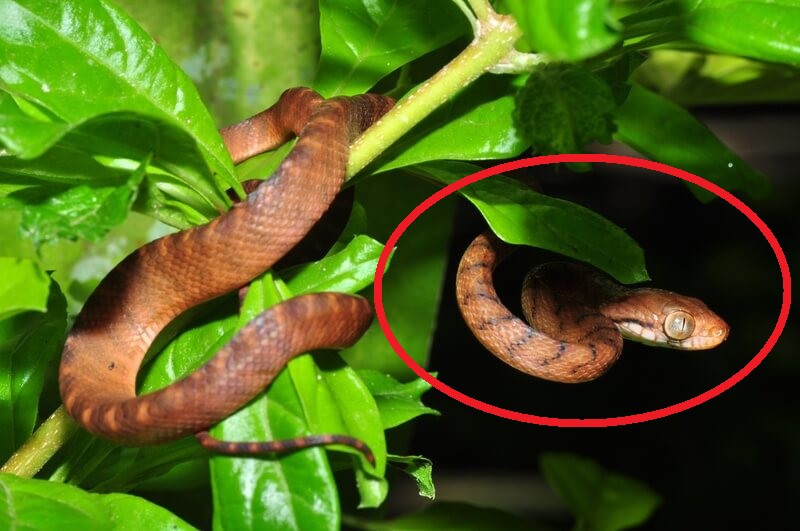
Snakes are a natural part of the ecosystem, but that doesn’t mean anyone wants them hanging around the house. They are typically drawn to areas that offer three things: food, shelter, and moisture. If a garden has rodents, insects, dense bushes, or cool shaded spots, it can easily become an attractive habitat for snakes.
Instead of relying on harsh chemicals or dangerous traps, many homeowners are turning to a more natural solution - plants that help repel snakes. While no plant can guarantee 100% protection, certain species are believed to create an environment that snakes tend to avoid due to their strong smell, texture, or chemical properties.
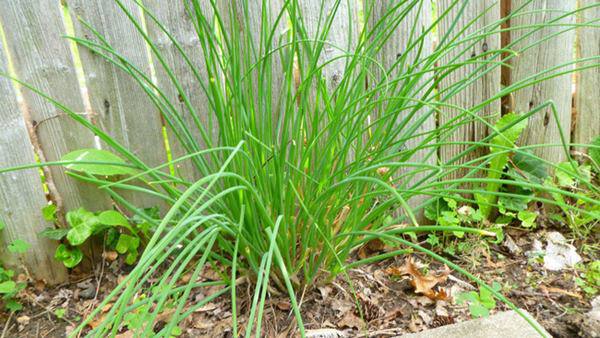
1. Snake Plant (Mother-in-Law’s Tongue)
The Snake Plant is one of the most commonly recommended plants for repelling snakes. It has tall, stiff, upright leaves with sharp edges that can make it uncomfortable for snakes to move through.
Beyond its physical structure, this plant is also incredibly easy to grow and requires minimal care. It thrives in both indoor and outdoor environments and can tolerate low light and irregular watering. Placing it around entry points, fences, or near walls can act as a natural barrier.
2. Marigold
Marigold is not only known for its bright, cheerful flowers but also for its strong scent. This smell is often disliked by many pests, including snakes.
Marigolds are particularly useful because they also repel insects, which are part of the food chain that attracts snakes. By reducing insects, you indirectly reduce the chances of snakes appearing. Plant them along garden borders or pathways to create a protective perimeter.
3. Lemongrass
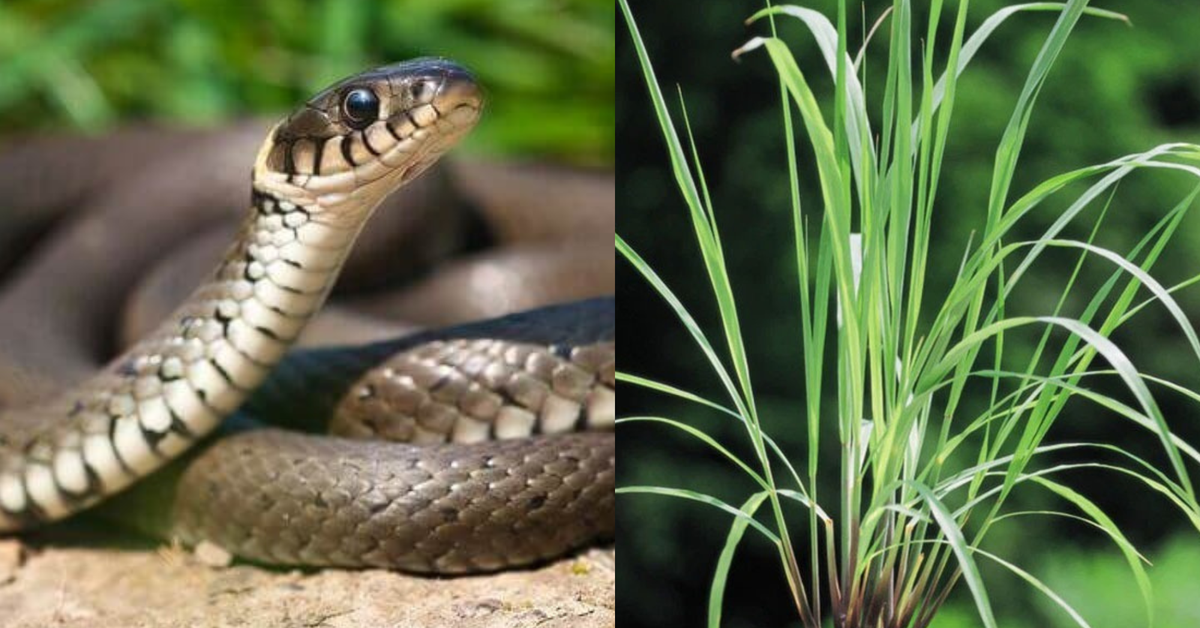
Lemongrass contains a strong citrus aroma due to a compound called citronella. This scent is widely known to repel insects, but it may also help discourage snakes from entering the area.
Lemongrass grows well in warm climates and can be used not only for protection but also in cooking and herbal remedies. Planting it around the yard creates both a functional and aromatic barrier.
4. Garlic
Garlic is another powerful natural deterrent. It releases a strong odor and contains sulfur compounds that can irritate snakes and other pests.
Some people also enhance its effectiveness by creating a garlic spray and applying it around the garden. Planting garlic near entrances, corners, and hidden areas can help reduce snake activity.
5. Onion
Similar to garlic, Onion has a pungent smell that many animals, including snakes, find unpleasant. The sulfuric compounds released by onions can act as a natural repellent.
Onions are easy to grow and can be integrated into your garden without affecting its appearance. They serve a dual purpose—both as a food source and a protective plant.
Do These Plants Really Work?
It’s important to stay realistic: plants alone won’t completely eliminate snakes. However, they can significantly reduce the chances of snakes entering your space when combined with proper garden maintenance.
Think of these plants as part of a broader strategy rather than a standalone solution.
Additional Tips to Keep Snakes Away
To maximize effectiveness, combine planting with these practical steps:
- Keep your garden clean: Remove piles of leaves, wood, or debris where snakes can hide
- Control rodents and insects: These are primary food sources for snakes
- Trim dense bushes and grass: Open spaces are less attractive to snakes
- Seal gaps and holes: Prevent snakes from entering your home
- Avoid standing water: Snakes are attracted to moisture
A Natural and Safe Approach
Using plants as a snake deterrent is a safe, eco-friendly, and visually appealing method. Unlike chemical repellents, these plants pose no harm to humans, pets, or the environment.
They also enhance the beauty of your garden while serving a practical purpose. This makes them an ideal choice for households looking for a balanced solution between safety and sustainability.
Final Thoughts
Adding these five plants to your garden is a simple yet effective step toward reducing unwanted encounters with snakes. While they are not a guaranteed solution, they contribute to creating an environment that is less inviting to these reptiles.
By combining smart planting with proper garden care, you can significantly lower the risk and enjoy a safer, more comfortable outdoor space. Sometimes, the best solutions are the most natural ones—quietly working in the background while making a noticeable difference.