Rice is one of the most widely consumed foods in the world. It is a staple in many cultures and is often prepared in large batches to be eaten throughout the day or stored for later meals. Because of its convenience, many households place leftover rice directly in the refrigerator to reheat later.
However, food safety experts warn that improper handling of cooked rice can sometimes lead to foodborne illness. While refrigerating rice is generally safe, there are important precautions people should understand before storing it.
Knowing how to properly cool, store, and reheat cooked rice can help prevent potential health risks and ensure that meals remain safe to eat.
Why Cooked Rice Requires Special Attention
Unlike many other foods, cooked rice can sometimes contain spores of a bacterium called Bacillus cereus. These spores can survive the cooking process because they are resistant to heat.
When cooked rice is left at room temperature for too long, these spores may grow into bacteria and produce toxins. Once these toxins develop, reheating the rice may not completely eliminate them.
This is why the way rice is cooled and stored after cooking is extremely important.
The Risk of Leaving Rice at Room Temperature
One of the most common mistakes people make is leaving cooked rice sitting out on the counter for extended periods.
When rice remains at room temperature for too long, the environment becomes ideal for bacteria to multiply. This can increase the risk of food poisoning.
Symptoms of foodborne illness related to contaminated rice may include:
-
Nausea
-
Vomiting
-
Diarrhea
-
Stomach cramps
These symptoms usually appear several hours after consuming contaminated food.
While most cases are mild and resolve quickly, proper food handling can help reduce the risk entirely.
The Key Safety Tip: Cool Rice Quickly Before Refrigeration
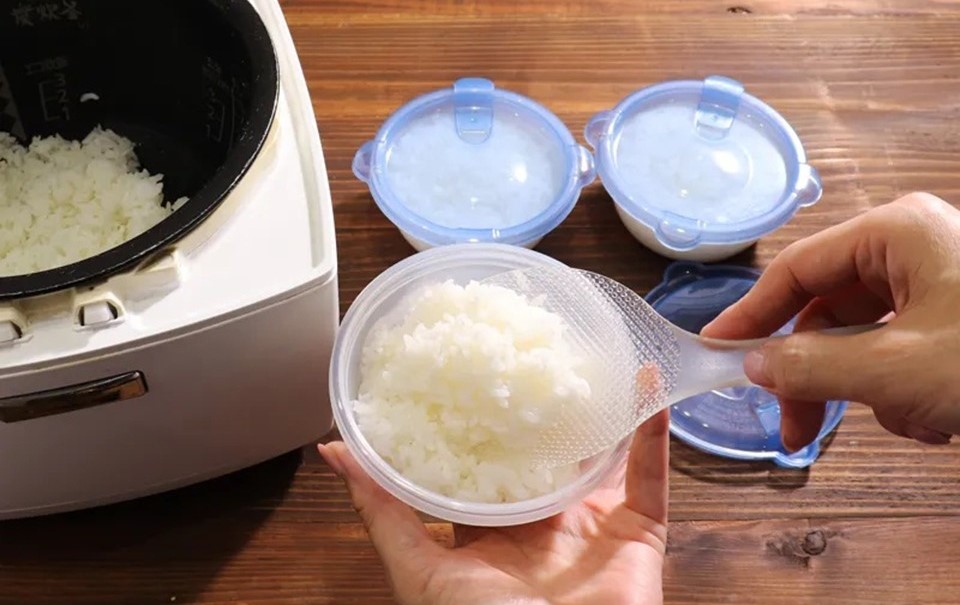
The most important safety tip when storing cooked rice is cooling it quickly after cooking.
Instead of leaving rice in the pot for hours, it should be cooled as soon as possible and then placed in the refrigerator.
A good method includes:
-
Spreading the rice in a thin layer on a tray or shallow container
-
Allowing steam to escape so the rice cools faster
-
Placing it in the refrigerator once it has cooled slightly
Rapid cooling helps prevent bacteria from multiplying.
Proper Storage in the Refrigerator
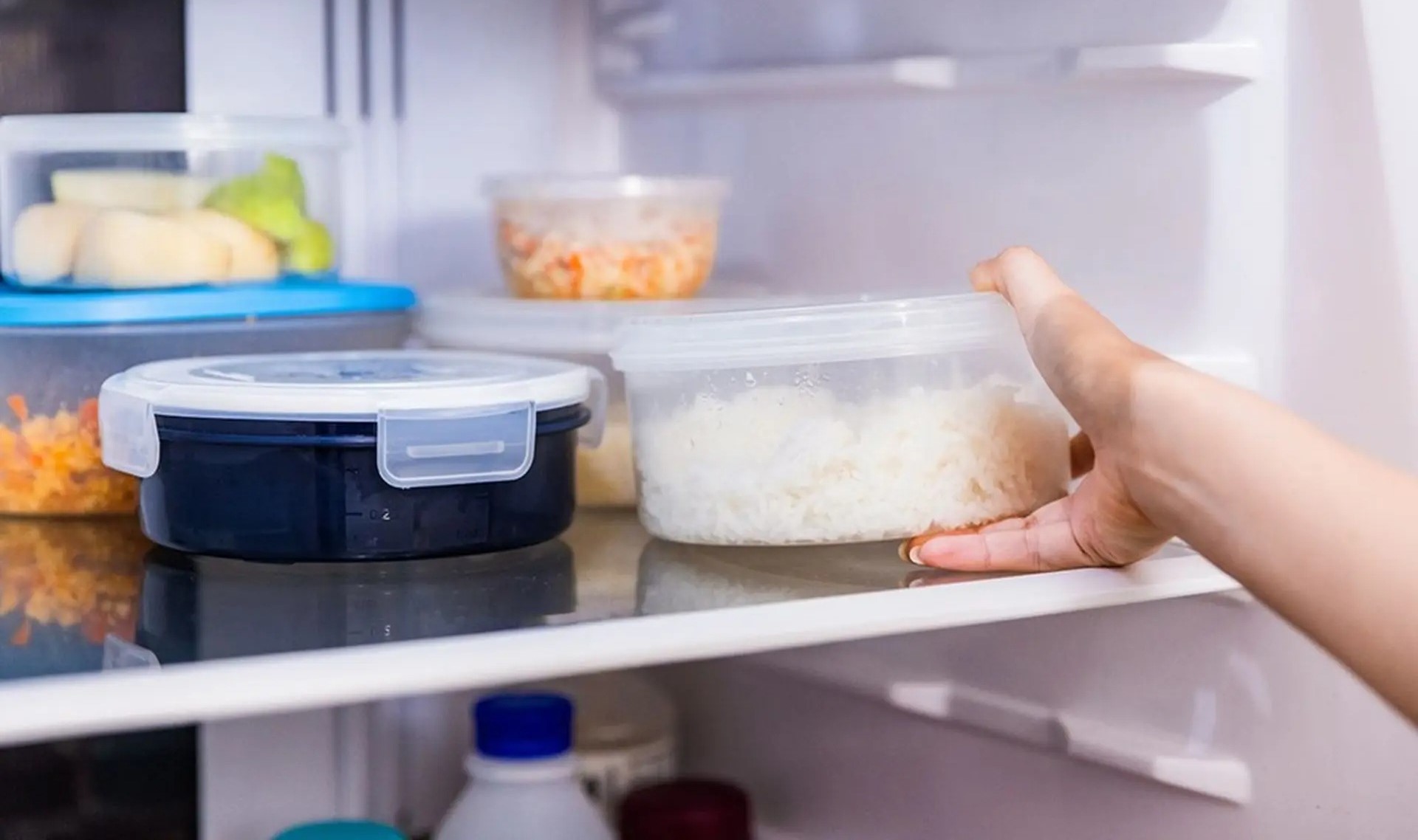
Once cooled, cooked rice can be safely stored in the refrigerator.
Important storage tips include:
-
Keep rice in an airtight container
-
Refrigerate it within about one hour after cooking if possible
-
Store it at a refrigerator temperature below 5°C (41°F)
Proper refrigeration slows bacterial growth and helps maintain food safety.
How Long Cooked Rice Can Be Stored
Even when refrigerated properly, cooked rice should not be kept for too long.
Food safety guidelines generally recommend consuming refrigerated rice within one to two days.
After that period, the risk of bacterial growth increases, and the rice should be discarded.

Reheating Cooked Rice Safely
When reheating leftover rice, it is important to ensure that it is heated thoroughly.
Safe reheating practices include:
-
Heating rice until it is steaming hot throughout
-
Stirring during reheating to distribute heat evenly
-
Avoiding reheating rice more than once
Rice that has been reheated should be eaten immediately and not stored again.
Signs That Rice May No Longer Be Safe
Before eating leftover rice, it is important to check for signs that it may have spoiled.
Warning signs include:
-
Unusual odor
-
Slimy texture
-
Discoloration
-
Sour smell
If any of these signs appear, the rice should be discarded rather than consumed.
Additional Tips for Safe Rice Handling
Practicing good kitchen hygiene can further reduce risks associated with cooked rice.
Helpful tips include:
-
Washing hands before handling food
-
Using clean utensils and containers
-
Avoiding cross-contamination with raw foods
-
Keeping refrigerators at the correct temperature
These habits help maintain overall food safety.
Why Awareness Is Important
Because rice is such a common food, many people do not realize that improper storage can sometimes lead to foodborne illness. Fortunately, the risk can be greatly reduced by following simple food safety practices.
Cooling rice quickly, storing it properly, and reheating it thoroughly are key steps that help keep meals safe.
Final Thoughts
Storing cooked rice in the refrigerator is generally safe when done correctly, but it is important to understand the potential risks of improper handling. Bacteria that survive the cooking process can multiply if rice is left at room temperature for too long.
By cooling rice promptly, refrigerating it properly, and consuming it within a reasonable time, individuals can enjoy leftover rice safely without worry.
Sometimes, the difference between safe food and potential illness comes down to simple habits in the kitchen. Understanding these small but important steps can help protect both health and peace of mind.