Burnt pans are a common problem in many kitchens. Whether food was left on the stove a little too long or the heat was set too high, burnt residue can quickly stick to the bottom of a pan and become difficult to remove. Many people assume that cleaning a burnt pan requires long soaking times or aggressive scrubbing, but in reality there are simple methods that can make the process much faster.
With a few common household ingredients and the right technique, it is often possible to loosen burnt residue in just a few minutes. These simple tips can help restore your pan quickly while protecting the surface from unnecessary damage.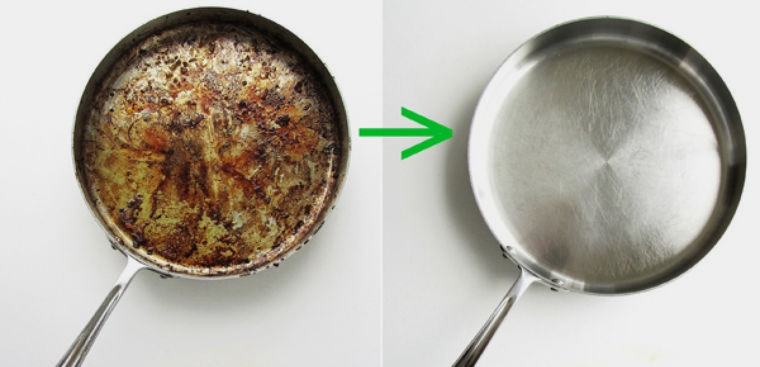
Why Burnt Residue Sticks to Pans
When food is exposed to high heat for too long, moisture evaporates and the remaining sugars, proteins, and oils begin to carbonize. This process creates the dark, hardened layer that sticks firmly to the pan’s surface.
Different types of cookware react differently to burning. Stainless steel pans, aluminum pans, and non-stick pans may all require slightly different cleaning approaches. However, the basic goal remains the same: soften the burnt layer so it can be removed without excessive scrubbing.
Using gentle cleaning methods is important because harsh scraping tools may scratch or damage the cookware.
Method 1: Baking Soda and Hot Water
One of the fastest and most effective methods for cleaning burnt residue involves baking soda and hot water. Baking soda is mildly abrasive and helps loosen burnt particles without damaging the surface of most pans.
Start by sprinkling a generous amount of baking soda directly onto the burnt area. Then add a small amount of hot water to create a thick paste. Place the pan back on the stove and heat it gently for one or two minutes.
As the mixture warms up, the burnt residue will begin to loosen. After turning off the heat, allow the pan to cool slightly and then use a sponge or soft brush to scrub the surface. In many cases, the burnt layer will come off easily.
Method 2: Vinegar and Baking Soda Reaction
Another quick method uses the reaction between vinegar and baking soda. This combination creates bubbling action that helps break down stubborn residue.
Begin by pouring a small amount of vinegar into the burnt pan so that it covers the bottom. Heat the vinegar for about one minute until it begins to simmer. Then remove the pan from the heat and add a few spoonfuls of baking soda.
The mixture will bubble and foam as the two ingredients react. Allow it to sit for a minute or two, then gently scrub the pan with a sponge. The burnt residue should loosen significantly.
This method works particularly well for stainless steel cookware.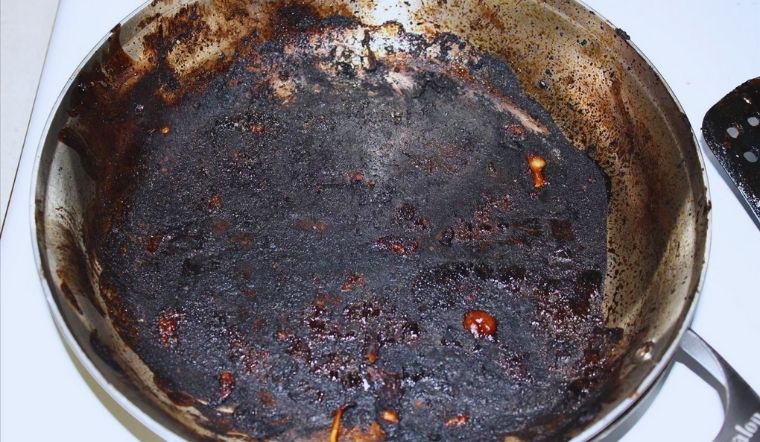
Method 3: Salt and Dish Soap
If the burnt layer is not extremely thick, a combination of salt and dish soap can work quickly. Salt acts as a gentle scrubbing agent that helps lift burnt food from the surface.
Add a small amount of dish soap to the pan along with a tablespoon of coarse salt. Use a damp sponge to rub the mixture over the burnt area. The salt crystals help break up the residue while the soap dissolves grease and food particles.
Within a few minutes of scrubbing, much of the burnt material may begin to lift away.
Method 4: Boiling Water Technique
Sometimes the simplest solution is the most effective. Adding water to the pan and bringing it to a boil can help loosen burnt food.
Fill the pan with enough water to cover the burnt area and place it on the stove. Bring the water to a boil and allow it to simmer for two or three minutes. The heat and moisture help soften the burnt layer.
Once the water cools slightly, use a wooden spoon or spatula to gently scrape the loosened residue from the bottom of the pan.
Method 5: Lemon Cleaning Trick
Lemon is another natural ingredient that can help clean burnt cookware. The citric acid in lemon helps break down residue and leaves the pan smelling fresh.
Slice a lemon and place the pieces in the pan with a small amount of water. Bring the mixture to a gentle boil for a few minutes. As the lemon heats up, its natural acids help loosen the burnt material.
After boiling, pour out the water and scrub the pan lightly with a sponge.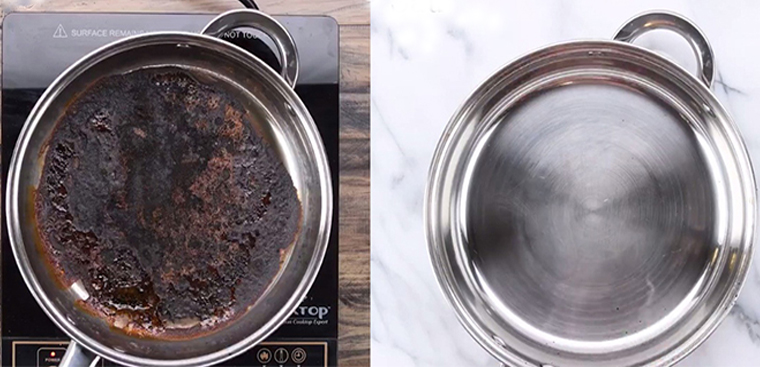
Protecting Your Cookware
While cleaning burnt pans quickly is helpful, preventing burns in the first place can save time and effort. Using the correct cooking temperature is one of the most important factors in preventing food from sticking or burning.
Avoid leaving pans unattended on high heat, especially when cooking foods that contain sugar or delicate ingredients. Stirring food regularly and using enough cooking oil can also help prevent burning.
Proper cookware maintenance also plays a role. Regularly cleaning pans and avoiding metal utensils on non-stick surfaces can extend their lifespan and keep them performing well.
Choosing the Right Cleaning Tools
When cleaning burnt cookware, it is best to avoid very sharp or abrasive tools such as metal scouring pads unless the pan is specifically designed for heavy-duty cleaning.
Soft sponges, nylon scrubbers, and wooden utensils are usually safer choices. These tools help remove residue while protecting the surface of the pan.
Using gentle but effective cleaning methods ensures that your cookware remains in good condition for many years.
Conclusion
Burnt pans may seem difficult to clean, but several simple household techniques can remove burnt residue in just a few minutes. Ingredients such as baking soda, vinegar, salt, lemon, and hot water can quickly loosen stubborn food particles and restore the pan’s surface.
By choosing the right cleaning method and using gentle tools, it is possible to remove burnt residue without damaging cookware. These simple kitchen tips can save time, reduce frustration, and help keep your pans looking clean and ready for the next meal.