Why You Always Need to Poop Right After You Eat: A Doctor Explains
For many people, the urge to rush to the bathroom immediately after a meal is a familiar experience. While it can feel alarming, doctors say this reaction is often more normal than you might think. In most cases, it’s simply your body’s natural digestive reflex at work — but for some, it may signal an underlying sensitivity in the gut. Understanding what this urge really means can help you know when to relax and when to pay closer attention.
The Gastrocolic Reflex: Your Body’s Natural Trigger
The most common reason you feel the need to poop right after eating is something called the gastrocolic reflex. This is a built-in response that happens when the stomach stretches as it fills with food. That stretch sends a signal to the colon, telling it to contract and make room for new digestive contents.
A key point doctors emphasize:
The food you just ate is not the food you immediately poop out.
Digestion takes hours. The reflex simply pushes out what was already in the colon.
For most people, this process is mild and barely noticeable. But for others, the signal is much stronger — and that’s when the bathroom urge becomes urgent.
Why Some People Feel the Urge More Intensely
Individuals with IBS (Irritable Bowel Syndrome) or a naturally sensitive digestive system tend to have a more reactive gastrocolic reflex. Their gut responds more dramatically to stomach stretching, causing:
-
Sudden bowel movements after eating
-
Cramping
-
Urgency
-
Loose stools
Even healthy foods can trigger strong reactions if the gut is more sensitive.
Foods That Make the Reflex Stronger
Some foods are more likely to stimulate digestion and trigger the reflex, especially in people with IBS, including:
-
High-fat meals
-
Spicy foods
-
Artificial sweeteners
-
Large or heavy meals
-
Foods high in FODMAPs (fermentable carbohydrates)
How to Calm an Overactive Gut
The article recommends practical steps to reduce the urgency after eating, particularly for those with IBS or chronic digestive sensitivity:
1. Follow a Low-FODMAP Diet
This diet limits certain sugars that ferment quickly in the gut, reducing bloating and urgency. Many people with IBS report significant relief through this approach.
2. Choose Gut-Friendly Foods
Some foods can soothe or support the digestive tract, such as:
-
Bananas
-
Ginger
-
Aloe vera juice
-
Yogurt with probiotics
-
Easily digestible fruits and vegetables
These can help the gut move more smoothly and comfortably.
3. Support Your Digestion With Supplements
Depending on individual needs, the article mentions options such as:
-
Digestive enzymes
-
Soluble fiber (e.g., psyllium husk)
-
Magnesium (helps regulate bowel movements)
-
Probiotics or prebiotic fiber
These supplements may strengthen the digestive system over time and reduce post-meal urgency.

When the Bathroom Rush Is Not Normal
Although the post-meal urge is often harmless, a doctor should be consulted if you experience:
-
Persistent diarrhea
-
Severe cramping after meals
-
Unintentional weight loss
-
Blood in the stool
-
Pain that interferes with daily life
These may indicate an underlying condition that needs medical attention.
Final Thoughts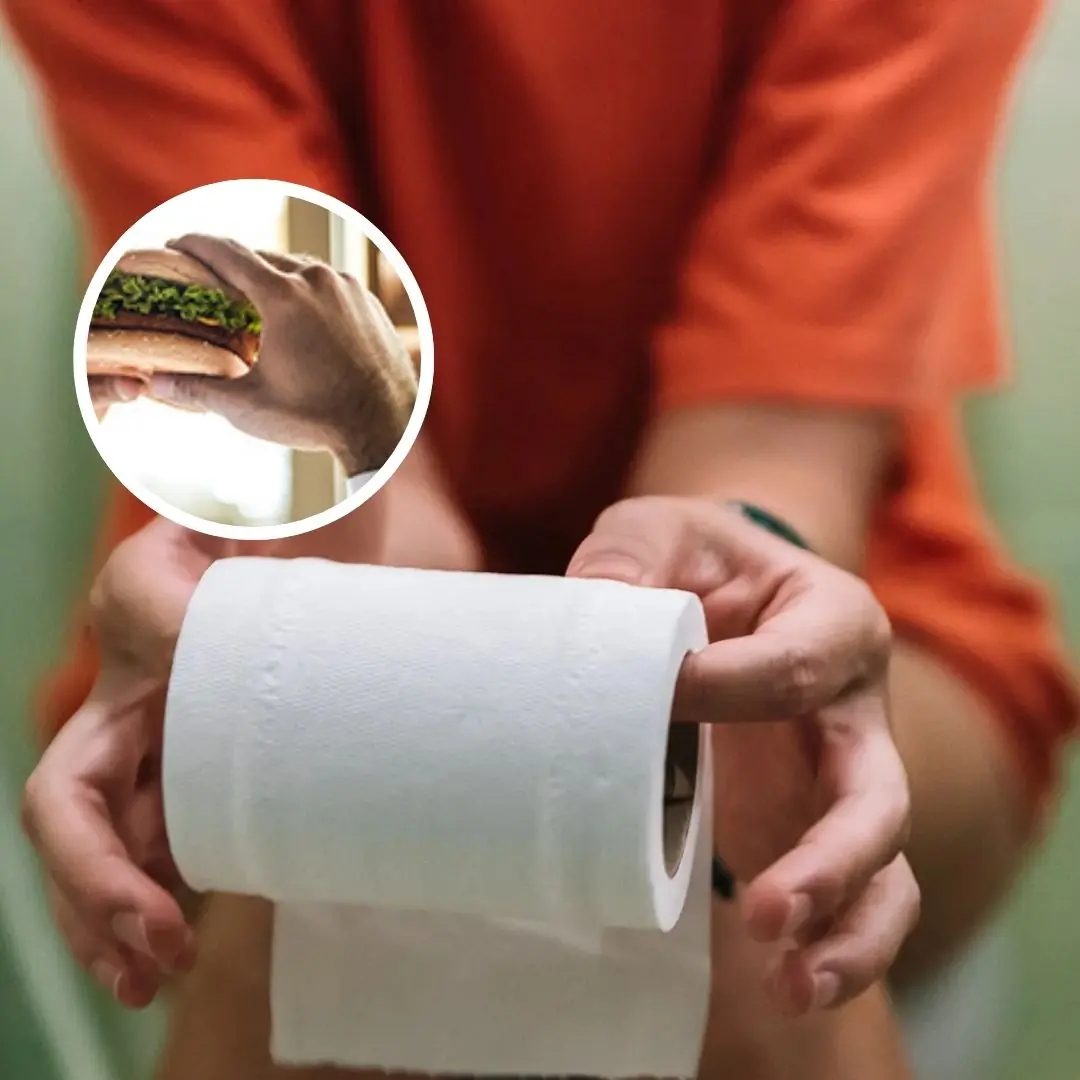
Needing to poop immediately after eating can feel inconvenient or embarrassing, but in many cases, it’s simply your body’s gastrocolic reflex doing its job. For those with IBS or heightened gut sensitivity, the reflex can be stronger — but with the right diet and digestive support, symptoms often improve dramatically.
Listening to your body and recognizing patterns can help you understand what triggers your gut and how to keep your digestion calm, balanced, and healthy.