
The Effects of Eating Ginger Every Day on Your Body Explained
How Daily Ginger Consumption Impacts Your Health
Health 14/04/2026 12:06
Most people believe that once food goes into the refrigerator, it automatically becomes safe to eat. While refrigeration does slow down bacterial growth, it does not completely stop it. In fact, some foods can still spoil—or even become dangerous—if stored improperly or kept for too long.
Here are 8 common foods that may still cause food poisoning, even when refrigerated.

Cooked rice can contain bacteria such as Bacillus cereus, which can survive cooking. If rice is left at room temperature too long before refrigeration, these bacteria can multiply and produce toxins that reheating cannot destroy.
Chicken is highly perishable. Even in the fridge, bacteria like Salmonella and Campylobacter can grow if the meat is stored for too long or not cooled properly after cooking.
Fish and shellfish spoil quickly. Even when refrigerated, they can develop harmful bacteria if not eaten within 1–2 days.
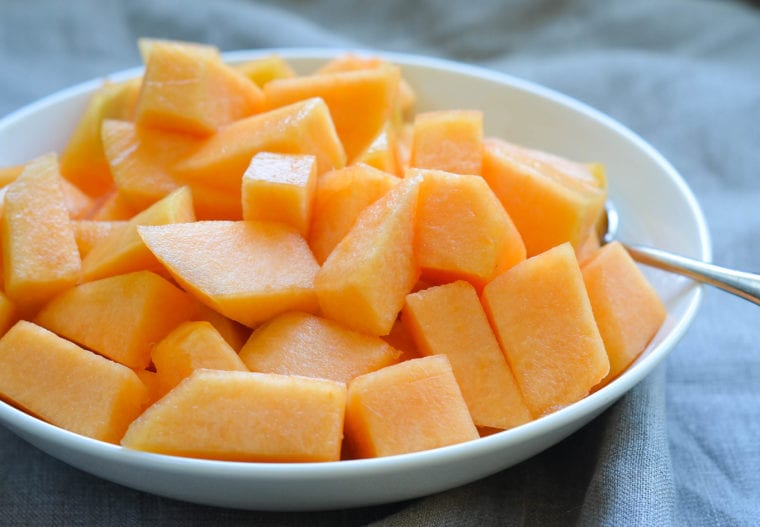
Once fruit is sliced, its protective skin is removed. This allows bacteria such as Listeria to grow more easily, especially if the fruit is stored for several days.
Like rice, cooked pasta can harbor bacteria if left out too long before refrigeration. It may look fine but still carry risks if improperly stored.
While whole eggs last longer, dishes made with eggs (like salads, sauces, or casseroles) can spoil faster and support bacterial growth if not kept cold enough.
Even in the fridge, dairy can spoil quickly once opened. Bacteria can grow if containers are left open or kept beyond their safe storage time.
Large containers of soup or stew cool slowly, which creates a window for bacteria to multiply. If not cooled quickly and stored properly, they can become unsafe.
To reduce the risk of food poisoning, follow these simple safety tips:
Your refrigerator is a helpful tool—but it is not a guarantee of safety. Food can still spoil and become dangerous if it is not handled and stored correctly.
Good food safety habits matter just as much as refrigeration itself. A little care can go a long way in protecting your health.
How Daily Ginger Consumption Impacts Your Health
Exploring the Nutritional Value of Chicken Gizzards

Eating Grilled Corn: How It Affects Your Body
The Surprising Benefits of Onions, According to Doctors

6 Clues That Coffee Might Not Be Right for You Anymore

Many people believe heart and blood vessel problems only affect the chest. In reality, blocked or narrowed arteries often show their earliest warning signs in the legs and feet, especially at night. These symptoms are frequently ignored or mistaken for f

Always thinking that he was healthy, this man unexpectedly collapsed at work, fell unconscious, and passed away shortly after at the hospital.
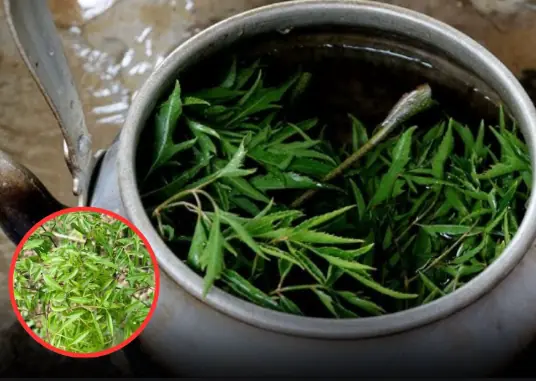
In recent years, traditional herbal practices have drawn renewed attention, especially those that are simple, affordable, and easy to maintain.

Food is meant to nourish the body, yet experts warn that certain foods commonly consumed around the world can pose serious health risks if eaten incorrectly, excessively, or without proper processing. Recently, international food safety studies and heal
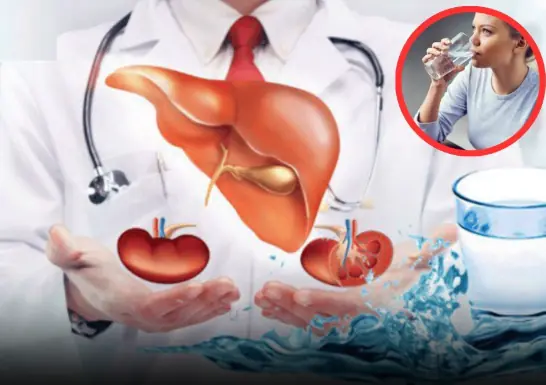
Drinking enough water is essential for health, but drinking water the wrong way can quietly harm vital organs—especially the liver and kidneys. Medical experts warn that many people make daily mistakes without realizing the long-term consequences.
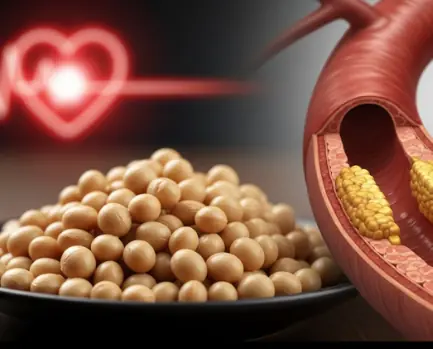
Contemporary medical research is increasingly highlighting the profound impact of targeted nutritional interventions, oral hygiene, and environmental factors on long-term wellness. By bridging the gap between clinical observation and natural therapies, th

These 8 Everyday Symptoms Might Be Worth Paying Attention To

Liver cancer is one of the most dangerous cancers worldwide, largely because it is often discovered too late. However, in stages 1–2, liver cancer can still be treated effectively if detected early. Doctors stress that recognizing the warning signs as

Many people walk past it every day without a second thought. It grows freely along roadsides, fields, and sidewalks, often dismissed as a weed. Yet laboratory research has revealed that this common wild leafy vegetable contains compounds capable of destr

Every year, over 200 people die from consuming what is known as the “world’s deadliest food,” yet nearly 500 million people still eat it.
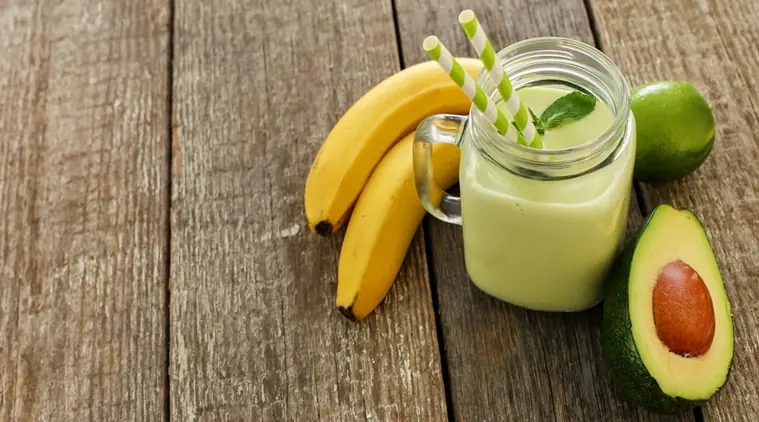
15 Benefits of Eating Banana and Avocado Every Morning for a Month
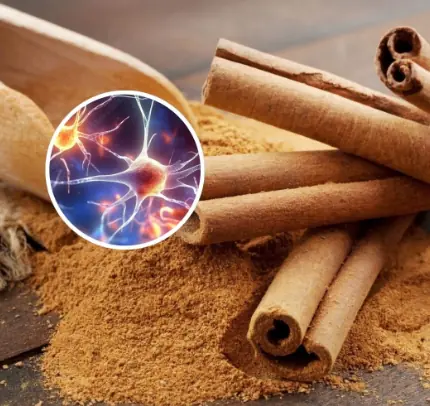
Alzheimer’s disease is a progressive neurodegenerative disorder marked by memory loss, cognitive decline, and widespread neuronal dysfunction.

Possible Warning Signs of Lung Cancer: Pain in Three Key Areas
How Daily Ginger Consumption Impacts Your Health

Keep These 4 Items Away from Your TV to Avoid Unnecessary Expenses
Exploring the Nutritional Value of Chicken Gizzards
Eating Grilled Corn: How It Affects Your Body
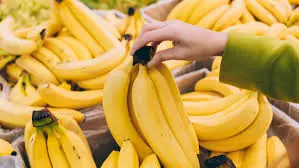
Bananas for Breakfast: Good or Bad? Experts Reveal the Truth

You Eat Onions Every Day—But Do You Know What They Do?

6 Plants Snakes Tend to Favor and 3 That Could Help Deter Them

How to Deal with Wall Peeling and Mold Easily at Home
The Surprising Benefits of Onions, According to Doctors
6 Clues That Coffee Might Not Be Right for You Anymore
Many people believe heart and blood vessel problems only affect the chest. In reality, blocked or narrowed arteries often show their earliest warning signs in the legs and feet, especially at night. These symptoms are frequently ignored or mistaken for f

Doctors emphasize that parental vigilance plays a crucial role in detecting and preventing strokes in children.
Always thinking that he was healthy, this man unexpectedly collapsed at work, fell unconscious, and passed away shortly after at the hospital.
In recent years, traditional herbal practices have drawn renewed attention, especially those that are simple, affordable, and easy to maintain.

Why Japan Still Embraces Floor Sleeping: Tradition with a Practical Purpose?
Food is meant to nourish the body, yet experts warn that certain foods commonly consumed around the world can pose serious health risks if eaten incorrectly, excessively, or without proper processing. Recently, international food safety studies and heal
Drinking enough water is essential for health, but drinking water the wrong way can quietly harm vital organs—especially the liver and kidneys. Medical experts warn that many people make daily mistakes without realizing the long-term consequences.
Contemporary medical research is increasingly highlighting the profound impact of targeted nutritional interventions, oral hygiene, and environmental factors on long-term wellness. By bridging the gap between clinical observation and natural therapies, th