Warning: Pain in These 3 Spots Might Be a Sign of Lung Cancer
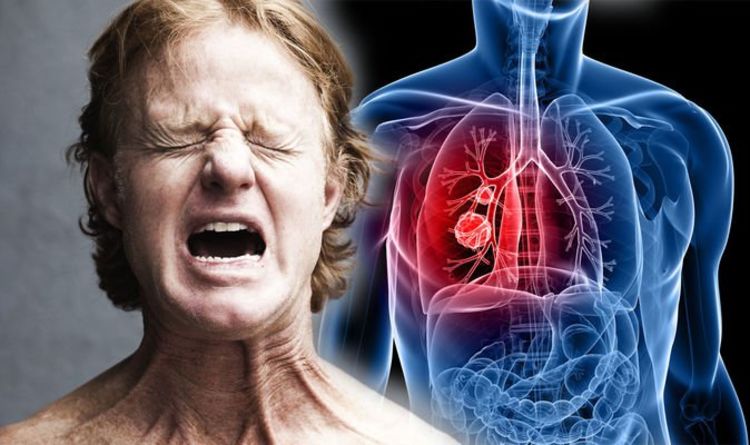
Lung cancer is one of the most serious and often silent diseases, especially in its early stages. Many people associate it only with coughing or breathing problems—but in reality, the body can send warning signals in less obvious ways. Persistent or unusual pain in certain areas may be one of them.
It’s important to understand that pain alone does not mean you have cancer. However, recognizing these signs early can help you seek medical attention sooner.

1. Chest Pain
Chest pain is one of the most common symptoms linked to lung issues. In the case of lung cancer, the pain may feel:
- Dull or sharp
- Persistent and worsening over time
- More noticeable when breathing deeply, coughing, or laughing
This happens because tumors can irritate the lining of the lungs or chest wall. Some people may mistake it for muscle strain or fatigue, especially if the pain comes and goes at first.
2. Shoulder and Upper Back Pain
Pain in the shoulder or upper back can be an overlooked warning sign. Certain types of lung tumors—especially those located at the top of the lungs—can affect nearby nerves.
This may lead to:
- Constant aching in the shoulder
- Pain spreading to the upper back or arm
- Discomfort that doesn’t improve with rest
Because this type of pain is often mistaken for poor posture or muscle tension, many people ignore it until it becomes more severe.
3. Arm or Bone Pain

As lung cancer progresses, it can sometimes spread (metastasize) to other parts of the body, including bones. This may cause:
- Deep, persistent pain in the arms or limbs
- Pain that worsens at night
- Increased sensitivity or weakness
This kind of pain is different from typical soreness—it tends to last longer and doesn’t respond well to usual treatments like rest or massage.
When Should You Be Concerned?
Not all pain is dangerous, but you should consider seeing a doctor if you notice:
- Pain that lasts for weeks without improvement
- Pain that gradually gets worse
- Pain combined with other symptoms such as:
- Persistent cough
- Shortness of breath
- Unexplained weight loss
- Fatigue
Early detection plays a critical role in successful treatment, so it’s always better to be cautious.
Important Reminder
These symptoms can be caused by many conditions, not just lung cancer—such as muscle strain, inflammation, or infections. However, what matters most is persistence and unusual patterns.
Final Thoughts
Your body often gives subtle warnings before serious problems develop. Pain in the chest, shoulder, or bones may not seem alarming at first, but it shouldn’t be ignored if it persists.
Pay attention to changes, listen to your body, and don’t hesitate to seek medical advice when something feels off. Early action can make a life-saving difference.