
The Effects of Eating Ginger Every Day on Your Body Explained
How Daily Ginger Consumption Impacts Your Health
Doctors warn that nighttime symptoms in the lower limbs may indicate peripheral artery disease (PAD), a condition closely linked to heart attacks and strokes.
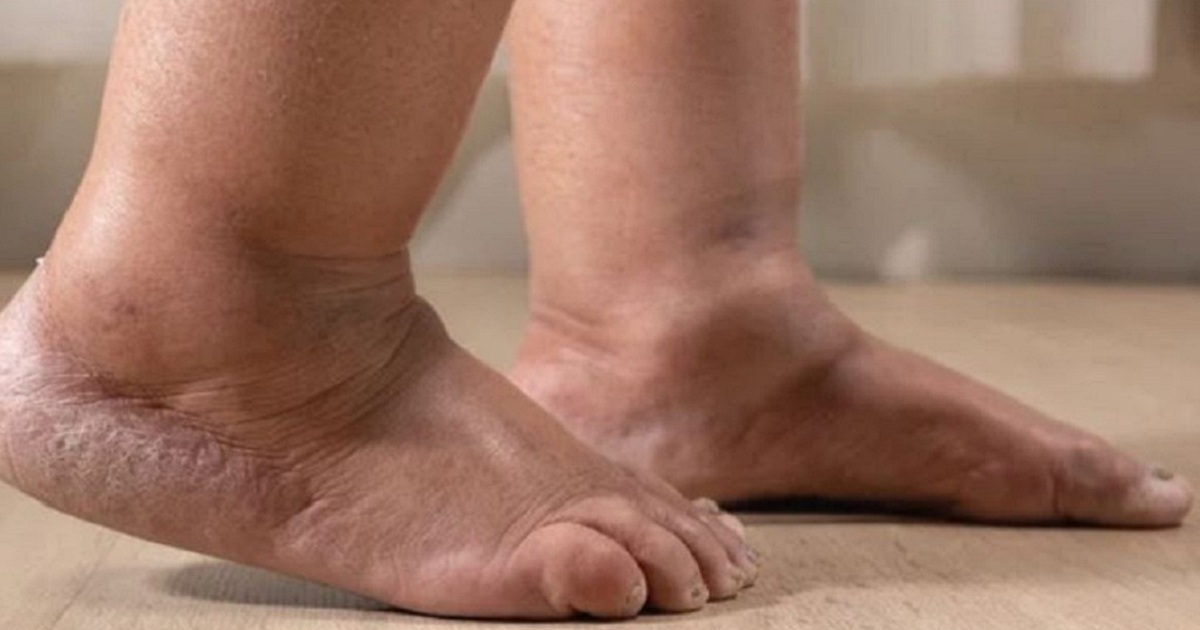
When people talk about “heart blockage in the legs,” they are usually referring to poor blood flow caused by narrowed or blocked arteries. Fatty deposits (plaque) build up inside blood vessels, reducing oxygen delivery to muscles and tissues.
This condition does not happen suddenly. It develops slowly — and the body often sends signals at night when circulation is weakest.
At night:
Blood pressure naturally drops
The body is at rest
Gravity no longer helps blood flow to the legs
As a result, reduced circulation becomes more noticeable, causing pain, discomfort, and unusual sensations that may wake people from sleep.
One of the most common signs is deep aching, cramping, or burning pain in the calves, thighs, or feet that appears during rest or sleep.
This pain may:
Wake you up at night
Improve when you sit up or hang your legs down
Return when you lie flat again
This pattern is a classic warning sign of poor circulation.
If your feet feel unusually cold at night, even under blankets, it may indicate reduced blood flow. One leg or foot may feel colder than the other — an important red flag.
Many people report pins-and-needles, numbness, or a “dead” feeling in the feet or toes at night. These sensations occur when nerves do not receive enough oxygen-rich blood.
Blocked circulation can cause the skin to appear:
Pale or bluish
Shiny or thin
Darker in patches
These changes may be more visible when lying down or upon waking.

Poor blood flow means wounds heal slowly. Small cuts, cracks, or sores on the feet that take weeks to heal — or do not heal at all — are a serious warning sign.
Unlike typical restless leg syndrome, circulation-related restlessness is often accompanied by pain, pressure, or burning, not just an urge to move.
Movement may temporarily relieve symptoms because it increases blood flow.
Doctors often check pulses on the feet and ankles. A weak or difficult-to-find pulse may indicate significant arterial blockage.
You may be at higher risk if you:
Smoke or used to smoke
Have diabetes
Have high blood pressure or high cholesterol
Are overweight
Live a sedentary lifestyle
Have a family history of heart disease
PAD is strongly linked to heart attack and stroke risk, making early detection critical.

How Daily Ginger Consumption Impacts Your Health

Exploring the Nutritional Value of Chicken Gizzards

Eating Grilled Corn: How It Affects Your Body

The Surprising Benefits of Onions, According to Doctors

6 Clues That Coffee Might Not Be Right for You Anymore

Always thinking that he was healthy, this man unexpectedly collapsed at work, fell unconscious, and passed away shortly after at the hospital.

Understanding Food Risks: Items That Can Still Spoil in the Fridge

In recent years, traditional herbal practices have drawn renewed attention, especially those that are simple, affordable, and easy to maintain.

Food is meant to nourish the body, yet experts warn that certain foods commonly consumed around the world can pose serious health risks if eaten incorrectly, excessively, or without proper processing. Recently, international food safety studies and heal

Drinking enough water is essential for health, but drinking water the wrong way can quietly harm vital organs—especially the liver and kidneys. Medical experts warn that many people make daily mistakes without realizing the long-term consequences.

Contemporary medical research is increasingly highlighting the profound impact of targeted nutritional interventions, oral hygiene, and environmental factors on long-term wellness. By bridging the gap between clinical observation and natural therapies, th


These 8 Everyday Symptoms Might Be Worth Paying Attention To

Liver cancer is one of the most dangerous cancers worldwide, largely because it is often discovered too late. However, in stages 1–2, liver cancer can still be treated effectively if detected early. Doctors stress that recognizing the warning signs as

Many people walk past it every day without a second thought. It grows freely along roadsides, fields, and sidewalks, often dismissed as a weed. Yet laboratory research has revealed that this common wild leafy vegetable contains compounds capable of destr

Every year, over 200 people die from consuming what is known as the “world’s deadliest food,” yet nearly 500 million people still eat it.

15 Benefits of Eating Banana and Avocado Every Morning for a Month

Alzheimer’s disease is a progressive neurodegenerative disorder marked by memory loss, cognitive decline, and widespread neuronal dysfunction.

Possible Warning Signs of Lung Cancer: Pain in Three Key Areas

How Daily Ginger Consumption Impacts Your Health

Keep These 4 Items Away from Your TV to Avoid Unnecessary Expenses

Exploring the Nutritional Value of Chicken Gizzards

Eating Grilled Corn: How It Affects Your Body

Bananas for Breakfast: Good or Bad? Experts Reveal the Truth

You Eat Onions Every Day—But Do You Know What They Do?

6 Plants Snakes Tend to Favor and 3 That Could Help Deter Them

How to Deal with Wall Peeling and Mold Easily at Home

The Surprising Benefits of Onions, According to Doctors

6 Clues That Coffee Might Not Be Right for You Anymore

Doctors emphasize that parental vigilance plays a crucial role in detecting and preventing strokes in children.

Always thinking that he was healthy, this man unexpectedly collapsed at work, fell unconscious, and passed away shortly after at the hospital.

Understanding Food Risks: Items That Can Still Spoil in the Fridge

In recent years, traditional herbal practices have drawn renewed attention, especially those that are simple, affordable, and easy to maintain.

Why Japan Still Embraces Floor Sleeping: Tradition with a Practical Purpose?

Food is meant to nourish the body, yet experts warn that certain foods commonly consumed around the world can pose serious health risks if eaten incorrectly, excessively, or without proper processing. Recently, international food safety studies and heal

Drinking enough water is essential for health, but drinking water the wrong way can quietly harm vital organs—especially the liver and kidneys. Medical experts warn that many people make daily mistakes without realizing the long-term consequences.

Contemporary medical research is increasingly highlighting the profound impact of targeted nutritional interventions, oral hygiene, and environmental factors on long-term wellness. By bridging the gap between clinical observation and natural therapies, th
