
9 common household items that may impact your health
9 Everyday Items in Your Home That Could Affect Your Health
Parenting is one of the most meaningful and challenging journeys in life. Every parent wants the best for their children, hoping they will grow into capable, responsible, and kind adults. Naturally, love often makes parents want to protect their children from difficulties and give them everything they ask for. However, true love is not always about making children happy in the moment.
Sometimes, the most caring thing a parent can do is to be firm. Setting boundaries, teaching responsibility, and guiding children through mistakes are essential parts of raising strong and independent individuals. While strictness may seem harsh at times, it often helps children develop important life skills that will benefit them in the future.
Here are four situations in which parents may need to be firm to help their children grow and develop in a healthy and balanced way.

Every child goes through phases of wanting to avoid responsibilities. However, if laziness becomes a habit, it can negatively affect a child’s future. When children grow accustomed to having everything done for them, they may struggle to develop independence and resilience.
Many parents, out of love, do too much for their children—completing tasks on their behalf, solving every problem for them, or protecting them from any kind of difficulty. While these actions come from good intentions, they can unintentionally prevent children from learning how to take responsibility for their own lives.
Children should be encouraged to complete their homework, help with small household chores, and take responsibility for their belongings. When they fail to do so, parents should calmly but firmly remind them of their duties.
Allowing children to experience effort and responsibility helps them build discipline, confidence, and problem-solving skills. Over time, these lessons prepare them to handle challenges independently as adults.
Learning how to manage money is an important life skill, yet many children grow up without understanding the value of money. Some children spend their allowance impulsively, buying unnecessary items or demanding expensive things without considering their family’s financial situation.
In many cases, children learn their financial habits from their parents. If parents frequently spend money impulsively or give in to every request, children may assume that money is unlimited and that every desire should be fulfilled immediately.
Parents should teach children that money requires effort to earn and that thoughtful spending is important. Giving children a reasonable allowance and guiding them on how to budget it can help them understand the value of financial responsibility.
If children spend money carelessly, parents should use it as a teaching moment. Encouraging children to save for things they want rather than receiving them instantly can help them develop patience and appreciation.
These early lessons about money can help children grow into financially responsible adults.

Many parents focus heavily on academic success, hoping their children will achieve excellent grades and future career opportunities. While education is important, character and moral values are even more essential.
A person’s true success in life is not defined only by achievements but also by their integrity, compassion, and respect for others. Children who grow up understanding kindness, honesty, and empathy are more likely to build healthy relationships and contribute positively to society.
Parents play the most important role in shaping these values. Children learn not only from what parents say but also from what they do. When parents demonstrate kindness, patience, and fairness in their daily lives, children naturally absorb these qualities.
Teaching children to respect others, help those in need, and take responsibility for their actions builds a strong moral foundation. If children behave unkindly or disrespectfully, parents should address the behavior firmly and guide them toward better choices.
In the long run, a strong moral character will support children far more than academic success alone.
Rules exist to create order, safety, and fairness in society. Learning to respect rules from a young age helps children understand the importance of responsibility and cooperation.
However, many children test boundaries by ignoring rules—cutting in line, shouting during meals, refusing to follow instructions, or disregarding basic safety rules such as traffic signals.
If such behavior is ignored, children may develop a habit of disregarding rules and authority. This can make it difficult for them to function responsibly in school, workplaces, and society later in life.
Parents should clearly explain rules and consistently enforce them. When children break rules, appropriate consequences help them understand that actions have results.
Discipline does not mean harsh punishment; rather, it means guiding children to understand why rules matter. When children learn to respect rules, they develop self-control, accountability, and respect for others.

Being firm with children does not mean loving them any less. In fact, it is often a sign of deep care and responsibility. Parents who guide their children with clear expectations and consistent discipline are helping them develop important qualities such as perseverance, responsibility, kindness, and respect.
Children who grow up with balanced guidance—both love and structure—are more likely to become confident, capable adults who can navigate life’s challenges successfully.
Parenting is never easy, and every child is different. Yet by combining warmth with appropriate firmness, parents can give their children one of the greatest gifts: the ability to grow into strong, thoughtful, and responsible individuals.
9 Everyday Items in Your Home That Could Affect Your Health

Cat behaviors explained: what their actions really mean

Why Do Some Window Bars Curve Outward at the Bottom?

9 Brutal Lessons You Learn Only After Getting Divorced

What No One Warns You About When Falling in Love Later in Life

Do you know anyone with this ear mark? See what it means...

3 Sleep-Time Symptoms That Could Be Worth Checking Out

Your Palm Might Be Hiding Something About You

Kickstart your day with a refreshing banana, lemon, and ginger smoothie

Age spots explained: what’s normal and when you should get them checked

Why a cat might disappear and never return home?

This Nighttime Habit Might Surprise You

4 common electric kettle mistakes you make every day that can lead to problems
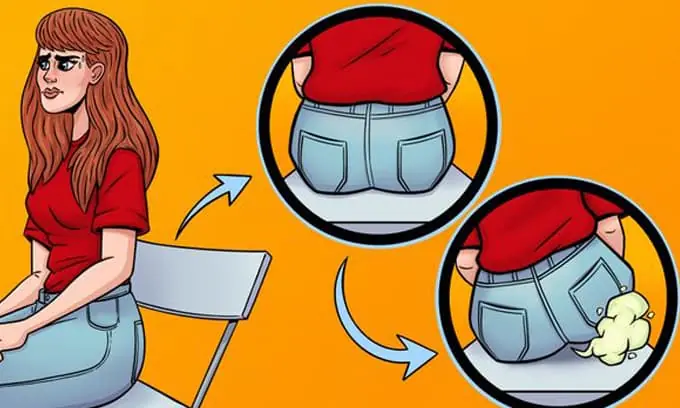
Where does the gas go when you resist passing gas, and what happens inside your body?

How to Eat Smart Without Cutting Out Your Favorite Foods

You’ve Been Sitting on This Safety Feature Without Knowing It

Medical Overview: Symptoms of Advanced Liver Cancer

8 wrong things woman do without knowing that they are pushing their man away to another woman

What’s the correct order: phone first or charger first?

Which Rose Do You Choose? Discover What It Says About You

Women over 30 are rushing to eat these 4 foods—here’s why

8 plants you should be careful with as they can attract snakes indoors

How to recognize when your body isn’t getting enough oxygen

The hidden health benefits of eating 3 dates every day

Why women shouldn’t pee in the shower, according to medical experts

When should you bathe to stay healthy and minimize the risk of str.oke?

What all women should know about the risks of cer.vical can.cer

5 Everyday Foods to Be Mindful Of - Healthier Choices Ahead

Feel Tired All the Time? It Might Be Your Circulation

How to Defrost Fish Safely: 3 Fast and Trusted Methods

She Ate Steamed Sweet Potatoes Every Day — But Her Liver Test Results Left Her in Sh.o.ck

Be Alert: Bruises in These Spots May Signal a Health Issue

Doctors Reveal Why Night Showers Beat Morning Showers Every Time
9 Everyday Items in Your Home That Could Affect Your Health

7 Surprising Signs You May Be Low on Vitamin B12 - Pay Attention

Keep your ginger fresh for months with simple methods that don’t require refrigeration or extra effort

While Cucumbers Are Nutritious, Certain People Should Be Cautious

Why Chicken Feet Are a Healthy Choice You Shouldn’t Ignore?

Leftovers can be deadly—if they remain, throw them away immediately!

Tiny Red Dots on Your Skin: Possible Causes and Their Meanings