Doctors Say Don’t Eat These 4 Fridge Foods, Even If You’re Hungry
Doctors are warning people to think twice before eating certain forgotten foods sitting in the refrigerator, saying some items may carry dangerous bacteria, toxins, and potential long-term health risks if stored improperly or kept too long.
Health experts say many people assume refrigerated food is automatically safe, but some foods can quickly become harmful once they spoil — even if they still look edible.
Here are four fridge foods doctors say you should avoid eating once they’ve been left too long:

1. Leftover Cooked Vegetables
Cooked leafy greens such as spinach, bok choy, and cabbage can become risky if stored for several days. Experts warn that improper storage may allow nitrate compounds to change into harmful substances over time.
Doctors recommend eating cooked vegetables fresh and reheating leftovers thoroughly only once.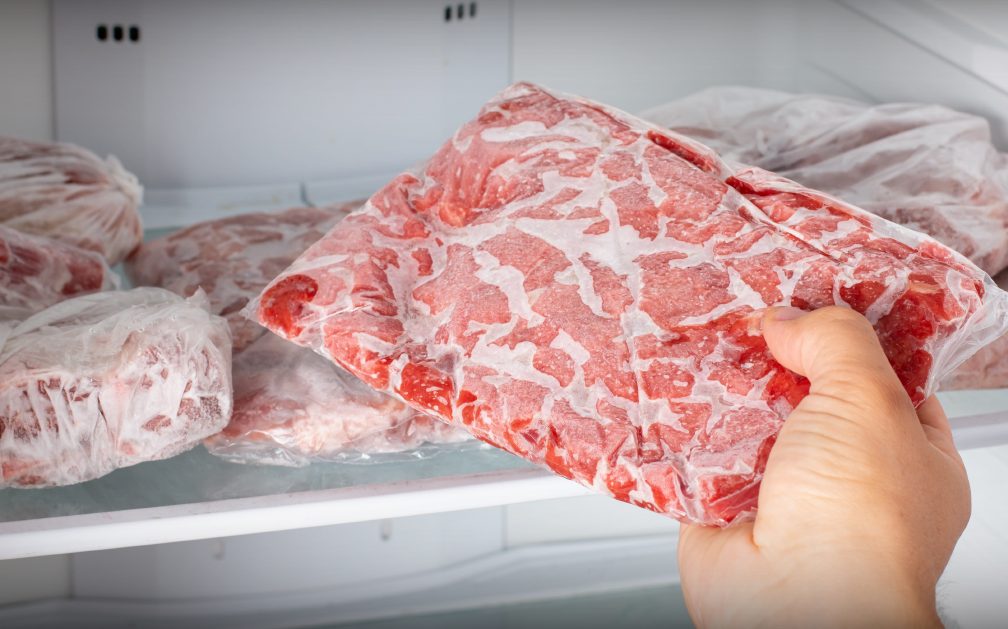
2. Frozen Meat with Ice Crystals or Freezer Burn
Meat that has been frozen for too long may develop freezer burn, strange odors, discoloration, or excessive ice crystals. While some freezer-burned food may not always be dangerous, spoiled meat can contain bacteria that increase the risk of food poisoning.
Experts advise throwing away meat that smells sour, feels slimy, or changes color.
3. Processed Meats
Old sausages, deli meats, smoked meats, and processed leftovers can become breeding grounds for harmful bacteria if kept beyond recommended storage times.
Doctors also warn that processed meats have been linked in multiple studies to a higher risk of colorectal cancer when consumed excessively over long periods.
4. Spoiled Seafood
Seafood is highly perishable and can quickly become dangerous if not stored properly. Rotten shrimp, shellfish, squid, or fish may carry toxins and bacteria that can cause severe digestive illness.
Experts say seafood with a strong odor, mushy texture, or unusual appearance should be discarded immediately.
Doctors emphasize that food safety plays a major role in preventing digestive diseases and infections. They recommend regularly checking expiration dates, storing foods at safe temperatures, and avoiding the temptation to eat questionable leftovers simply to avoid waste.
“When in doubt, throw it out,” many food safety experts advise.
Doctors Warn: 4 Foods in Your Refrigerator You Should Never Eat When They Have Spoiled
Opening the refrigerator and finding something to eat is part of everyday life. Leftover vegetables from yesterday's dinner, a container of cooked meat, a packet of sausages, or seafood saved for another meal may seem perfectly convenient.
But there is an important difference between food that has been refrigerated and food that is actually safe to eat.
Refrigeration slows the growth of many bacteria, but it does not stop all microorganisms from multiplying. Some harmful bacteria can survive at low temperatures, while certain toxins may remain dangerous even after food is reheated.
This is why food safety experts encourage people to pay attention to storage time, temperature, handling, and signs of spoilage rather than relying on appearance alone.
Four types of food deserve particular attention when they have been sitting in the refrigerator for too long.
1. Leftover Cooked Vegetables: Freshness and Storage Matter
Cooked vegetables are an important part of a healthy diet. Spinach, bok choy, cabbage, broccoli, carrots, and other vegetables provide fiber, vitamins, minerals, and beneficial plant compounds.
However, once vegetables have been cooked, they become perishable foods that need to be handled carefully.
Leaving cooked vegetables at room temperature for several hours can allow bacteria to multiply. Placing them in the refrigerator slows this process, but it does not make them safe indefinitely.
The concern about nitrates in leafy vegetables
Some leafy vegetables naturally contain nitrates. These compounds are part of the nitrogen cycle and are absorbed from soil as plants grow.
Under certain conditions, bacteria can convert nitrates into nitrites. Nitrite levels may increase when vegetables are stored improperly or exposed to conditions that encourage bacterial activity.
Nitrites can participate in chemical reactions that form other compounds, including potentially harmful N-nitroso compounds under certain circumstances.
However, it is misleading to suggest that every portion of leftover spinach or cabbage automatically becomes poisonous after a particular number of days.
The more immediate household food-safety concern is usually bacterial growth caused by improper cooling, handling, or storage.
How to store cooked vegetables safely
Follow these practical steps: