Bedbugs are small insects that have become an increasing concern in homes, hotels, and other living spaces around the world. Although they are tiny and often difficult to detect at first, bedbugs can spread quickly and become a persistent nuisance if not addressed early. Understanding how bedbugs live, how they enter homes, and how they can be removed is essential for maintaining a clean and comfortable environment.
While the idea of bedbugs can be unsettling, learning about their behavior and applying proper control methods can make it much easier to manage and eliminate them.
What Are Bedbugs?
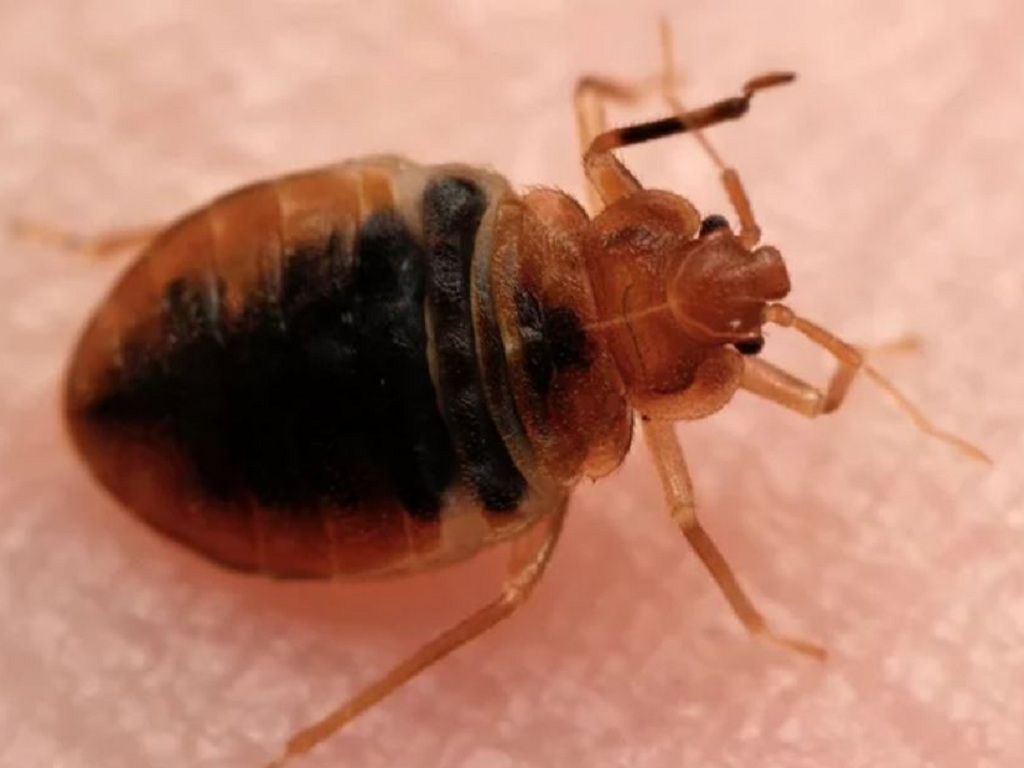
Bedbugs are small, flat, oval-shaped insects that feed on human blood. Their scientific name is Cimex lectularius. Adult bedbugs are usually about the size of an apple seed and have a reddish-brown color.
These insects are known for hiding in small cracks and crevices during the day and becoming active at night when people are asleep.
Common hiding places include:
-
Mattress seams
-
Bed frames
-
Headboards
-
Furniture joints
-
Behind wallpaper
-
Inside electrical outlets
-
Under carpets or floorboards
Because of their small size and ability to hide in narrow spaces, bedbugs can remain unnoticed for long periods.
How Bedbugs Spread
Bedbugs do not fly or jump, but they can travel easily by attaching themselves to objects. This is one of the reasons they can spread from place to place without being noticed.
Common ways bedbugs enter homes include:
-
Luggage from travel
-
Used furniture or mattresses
-
Clothing or personal belongings
-
Moving boxes
-
Shared living spaces such as apartments or dormitories
Because they can survive for long periods without feeding, bedbugs may remain hidden during transport and appear later in new environments.
Signs of a Bedbug Infestation
Early detection of bedbugs can make removal much easier. There are several signs that may indicate their presence.
Possible indicators include:
-
Small reddish bites on exposed skin
-
Tiny dark spots on mattresses or sheets
-
Shed insect skins near sleeping areas
-
A faint musty odor in heavily infested areas
-
Small blood stains on bedding
However, bites alone are not always a reliable indicator because skin reactions vary from person to person.
Why Bedbugs Are Difficult to Eliminate
Bedbugs can be challenging to remove because they are highly adaptable and can hide in very small spaces.
Several characteristics make them difficult to control:
-
They reproduce quickly
-
They can survive months without feeding
-
Their eggs are extremely small and difficult to see
-
They hide in many different areas of a room
Because of these traits, eliminating bedbugs often requires a combination of cleaning methods and persistence.
Simple Methods to Help Remove Bedbugs
While severe infestations may require professional treatment, several simple steps can help reduce or eliminate bedbugs in the early stages.
1. Wash and Heat-Dry Bedding
High temperatures can kill bedbugs and their eggs.
All bedding, including sheets, pillowcases, blankets, and mattress covers, should be washed in hot water and dried at high heat.
Clothing that may have been exposed should also be cleaned using this method.

2. Vacuum Frequently
Vacuuming helps remove bedbugs, eggs, and debris from mattresses, carpets, and furniture.
Important areas to vacuum include:
-
Mattress seams
-
Bed frames
-
Carpets near the bed
-
Cracks in furniture
After vacuuming, the vacuum bag should be sealed and disposed of properly.
3. Use Mattress Encasements
Special mattress covers designed to trap bedbugs can help prevent them from hiding inside mattresses.
These encasements completely cover the mattress and prevent bedbugs from entering or escaping.
4. Reduce Clutter
Clutter provides many hiding places for bedbugs.
Keeping living areas organized and reducing unnecessary items can make it easier to identify and remove infestations.
5. Inspect Furniture Carefully
Bedbugs often hide in furniture joints and seams.
Regularly inspecting:
-
Bed frames
-
Sofas
-
Chairs
-
Nightstands
can help detect problems early.
Preventing Bedbugs From Returning
Prevention is often the most effective way to manage bedbugs.
Helpful preventive measures include:
-
Inspecting luggage after travel
-
Avoiding bringing used furniture into the home without inspection
-
Washing travel clothing immediately after returning home
-
Checking hotel beds and mattresses during travel
Taking these precautions can greatly reduce the risk of bringing bedbugs into the home.
When Professional Help May Be Needed
If an infestation becomes widespread, professional pest control services may be necessary.
Professionals use specialized methods such as:
-
Heat treatments
-
Targeted insecticides
-
Steam cleaning
-
Advanced monitoring techniques
These treatments can be more effective for severe infestations.

Final Thoughts
Bedbugs are small insects that can create significant discomfort if they invade living spaces. Understanding how they live, how they spread, and how to detect them early is key to preventing and controlling infestations.
Simple steps such as washing bedding in hot water, vacuuming regularly, using mattress encasements, and reducing clutter can help manage early infestations and protect the home environment.
Although bedbugs can be persistent, a combination of awareness, cleaning practices, and preventive habits can make it possible to eliminate them and maintain a comfortable, pest-free home.