5 Vegetables You Should Never Eat Raw — They May Hide Parasites That Harm Your Health
Vegetables are widely considered one of the healthiest foods in our daily diet. Many people even believe that eating vegetables raw preserves more nutrients. However, experts warn that not all vegetables are safe to consume uncooked.
Some vegetables may carry bacteria, parasites, or harmful compounds that can survive normal washing. If eaten raw, these hidden contaminants can potentially cause digestive problems, infections, or other health issues. Cooking these vegetables properly helps destroy parasites and harmful microorganisms while making them easier for the body to digest.
Here are five vegetables you should avoid eating raw, according to food safety advice often shared by nutrition experts.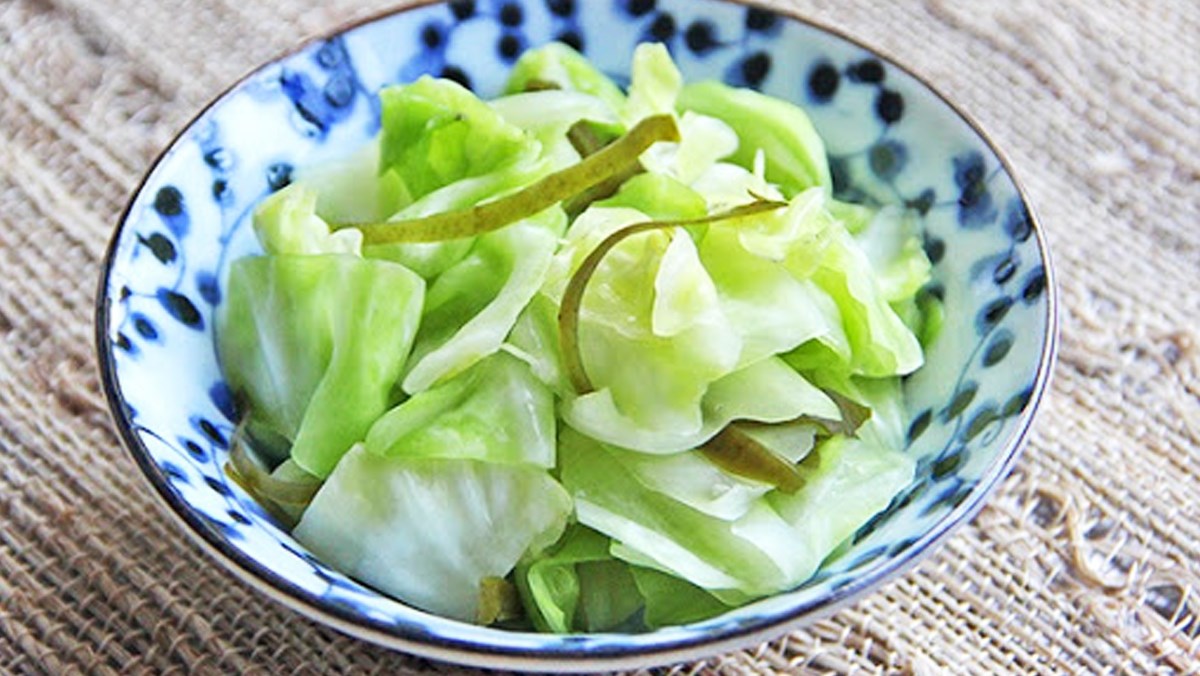
1. Cabbage
Cabbage is commonly used in salads and fresh dishes, but it can sometimes harbor tapeworm eggs or small parasites that cling to the layers of leaves. These contaminants may be difficult to remove completely through washing alone.
If the eggs enter the digestive system, they may lead to parasitic infections that affect the intestines and, in rare cases, other organs. Cooking cabbage by boiling or stir-frying helps kill these parasites and makes the vegetable safer to eat.
2. Spinach
Spinach is packed with vitamins and minerals, but eating it raw may pose certain risks. Experts say that raw spinach may contain harmful bacteria such as E. coli and possible parasite eggs that remain on the leaves even after rinsing.
In addition, spinach contains high levels of oxalates, compounds that may interfere with mineral absorption and increase the risk of kidney stones if consumed excessively in raw form. Cooking spinach can reduce oxalates and eliminate bacteria, making it safer and easier to digest.
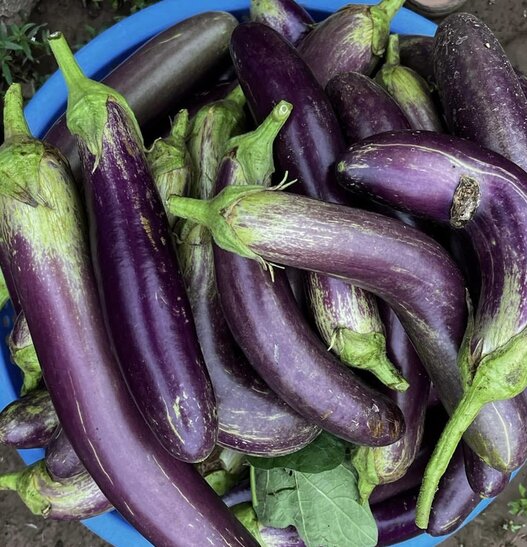
3. Eggplant (Brinjal)
Eggplant is another vegetable that should generally be cooked before eating. Raw eggplant contains a natural compound called solanine, which can cause nausea, stomach discomfort, or digestive issues when consumed in large amounts.
Heat breaks down this compound and improves both the flavor and digestibility of eggplant. That’s why eggplant is almost always grilled, roasted, or sautéed before being served.
4. Cauliflower
Cauliflower’s dense structure makes it easy for small insects or worms to hide inside the florets. Even thorough washing may not remove everything trapped between the tightly packed layers.
Lightly boiling or steaming cauliflower before eating can help eliminate hidden insects and bacteria while maintaining most of its nutritional value.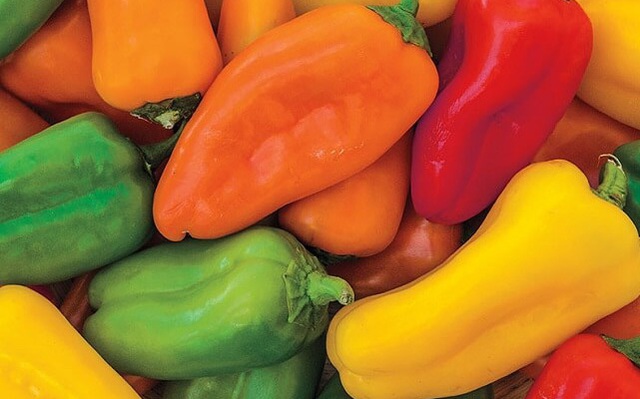
5. Capsicum (Bell Peppers)
Bell peppers are often eaten raw in salads, but the seeds and inner core can sometimes harbor bacteria or parasite eggs. Proper cleaning is essential before consumption.
Experts recommend removing the seeds and washing peppers thoroughly with clean water. In some cases, lightly cooking them may provide an extra layer of safety.
Why Cooking Some Vegetables Is Important
While raw vegetables are often promoted as healthy, certain foods become safer and more nutritious after cooking. Heat can:
-
Kill bacteria and parasites
-
Break down harmful compounds
-
Improve digestion
-
Enhance nutrient absorption
Food safety experts emphasize that healthy eating is not just about what you eat—but also how you prepare it. Proper washing, cooking, and storage can greatly reduce the risk of contamination and protect your health.
The Bottom Line
Vegetables remain an essential part of a balanced diet, but not all of them should be eaten raw. Cabbage, spinach, eggplant, cauliflower, and peppers may carry hidden contaminants or natural compounds that become safer after cooking.
By preparing these vegetables properly, you can still enjoy their nutritional benefits while avoiding potential health risks.