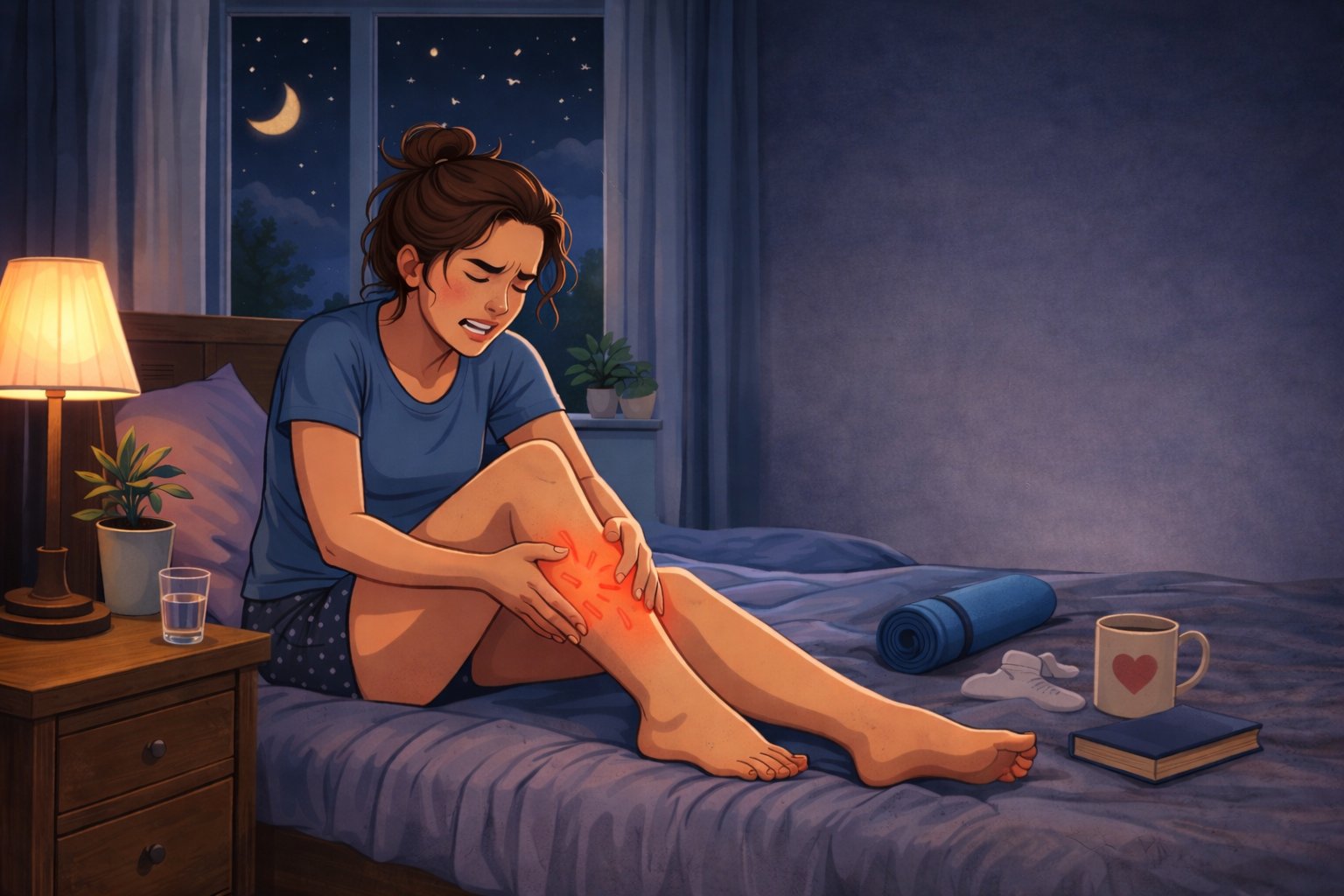
Banish Painful Night Cramps: What Happens If You Try These Simple Bedtime Tricks
Waking up in the middle of the night with sharp leg pain is more common than many people think. These sudden muscle spasms—often called night leg cramps—can disrupt sleep and leave lingering soreness the next day.
Health experts say that while these cramps are usually harmless, they may be your body’s way of signaling fatigue, dehydration, or circulation issues.
What Happens When Night Cramps Strike?
Night leg cramps are sudden, involuntary muscle contractions, most often affecting the calves, feet, or thighs. They can last from a few seconds to several minutes and may feel intense enough to wake you from sleep.
In many cases, there is no single clear cause. However, they are often linked to tired muscles, nerve issues, or imbalances in fluids and minerals.
Hidden Causes You Might Be Ignoring
Experts point to several common triggers behind nighttime cramps:
- Dehydration, which disrupts electrolyte balance
- Muscle fatigue from overuse or long periods of inactivity
- Poor circulation, especially after sitting or lying in one position
- Nutrient deficiencies, such as low magnesium or potassium
Even factors like pregnancy, certain medications, or aging can increase the risk.
What Happens If You Change Your Bedtime Routine?
Simple habits before bed can significantly reduce the likelihood of cramps:
1. Stretch Before Sleeping
Gently stretching your calves and hamstrings helps relax muscles and prevent sudden contractions during the night.
2. Stay Hydrated
Drinking enough water throughout the day supports proper muscle function and prevents electrolyte imbalance.
3. Massage or Warm Up Your Legs
Light massage or a warm bath before bed can improve blood flow and ease muscle tension.
4. Adjust Your Sleep Position
Keeping your legs relaxed and avoiding tight bedding may reduce unnecessary strain on muscles.
5. Keep Your Body Moving
Regular daily movement helps prevent stiffness and improves circulation, reducing nighttime discomfort.
How to Stop a Cramp Instantly
If a cramp strikes, experts recommend:
- Stretching the affected muscle by flexing your foot upward
- Gently massaging the area
- Walking or shaking the leg
- Applying heat or taking a warm shower
These methods can help the muscle relax and relieve pain more quickly.
When Should You Be Concerned?
Most night cramps are harmless. However, you should seek medical advice if:
- Cramps occur frequently or severely
- Pain doesn’t go away
- You experience muscle weakness or swelling
- Your sleep is regularly disrupted
Persistent cramps may sometimes be linked to underlying health conditions and should be evaluated.
The Bottom Line
Night leg cramps may feel sudden and alarming, but in many cases, they can be managed—or even prevented—with simple lifestyle changes.
By staying hydrated, stretching regularly, and adjusting your bedtime routine, you may reduce nighttime pain and enjoy deeper, more restful sleep.
Sometimes, small habits before bed can make a big difference.