If You Like to Take a Nap During the Day, Then You Should Definitely Know This
For many people, a daytime nap feels like a small luxury. Just a short break from the noise, the screens, and the constant demands of the day. Some see it as laziness, others as self-care. But science tells a more nuanced story. Napping is neither good nor bad by default — its impact depends entirely on how, when, and why it happens.
Understanding the hidden effects of daytime naps can help you use them as a tool rather than a trap.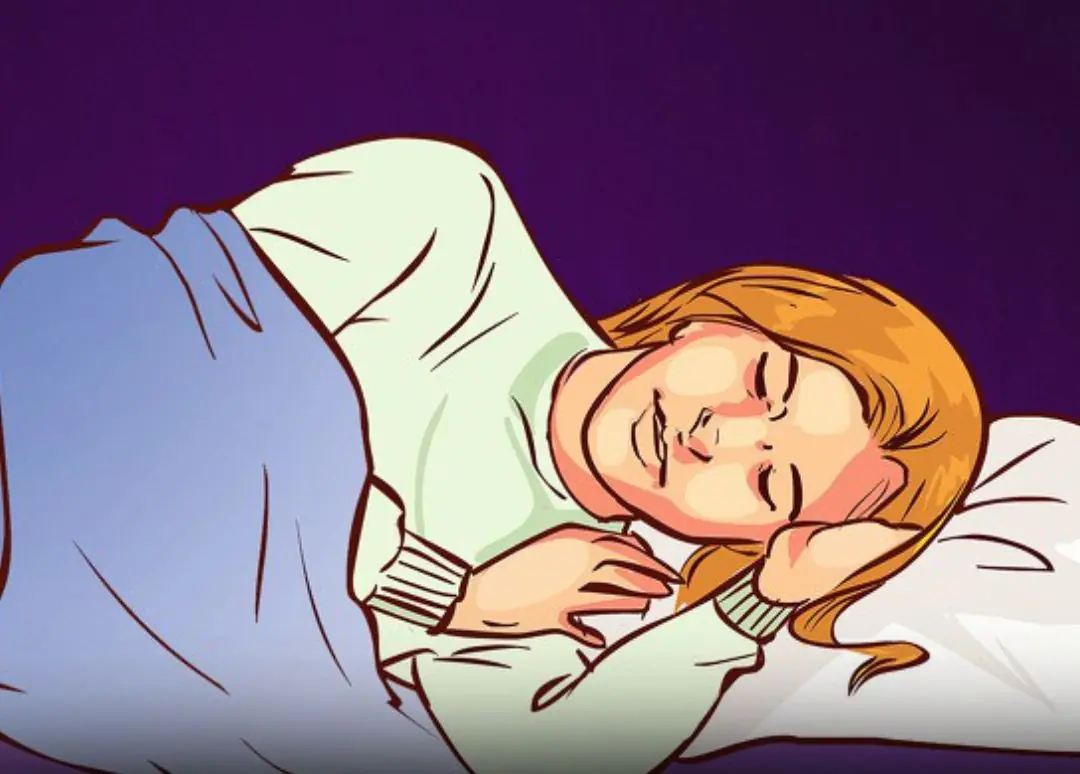
Why the Body Craves Daytime Sleep
Humans are not designed to stay alert for 16 straight hours without fluctuation. Our biological clock, also known as the circadian rhythm, naturally creates a dip in alertness in the early afternoon — usually between 1 p.m. and 3 p.m. This is not caused by lunch alone. It is a built-in signal from the brain.
During this window, the body experiences:
-
A slight drop in core temperature
-
Reduced alertness
-
Slower reaction times
That afternoon sleepiness is normal, not a personal failure. A short nap during this time can restore focus, improve mood, and reduce mental fatigue.
The Benefits of the Right Kind of Nap
When done correctly, naps can be powerful.
Short naps (10–30 minutes) have been shown to:
-
Improve concentration and memory
-
Reduce stress hormones
-
Boost creativity and problem-solving
-
Increase alertness without grogginess
These naps keep you in lighter stages of sleep, allowing the brain to reset without entering deep sleep. This is the sweet spot.
Athletes, pilots, doctors, and high-performance professionals often use strategic naps to maintain sharpness. In many cultures, short daytime rest is not only accepted — it is normalized.
When Napping Becomes a Problem
The problem begins when naps become too long, too late, or too frequent.
Long naps, especially those lasting over 60 minutes, often push the brain into deep sleep. Waking from this stage causes sleep inertia — that heavy, foggy, disoriented feeling that can last up to an hour. Instead of feeling refreshed, you feel worse.
Late afternoon or evening naps are even more disruptive. They reduce sleep pressure, making it harder to fall asleep at night. Over time, this can shift your entire sleep schedule, leading to chronic insomnia.
Even more concerning, excessive daytime sleepiness — the need to nap every day for long periods — can be a warning sign. It may indicate:
-
Poor nighttime sleep quality
-
Sleep apnea
-
Depression
-
Hormonal imbalance
-
Underlying health conditions
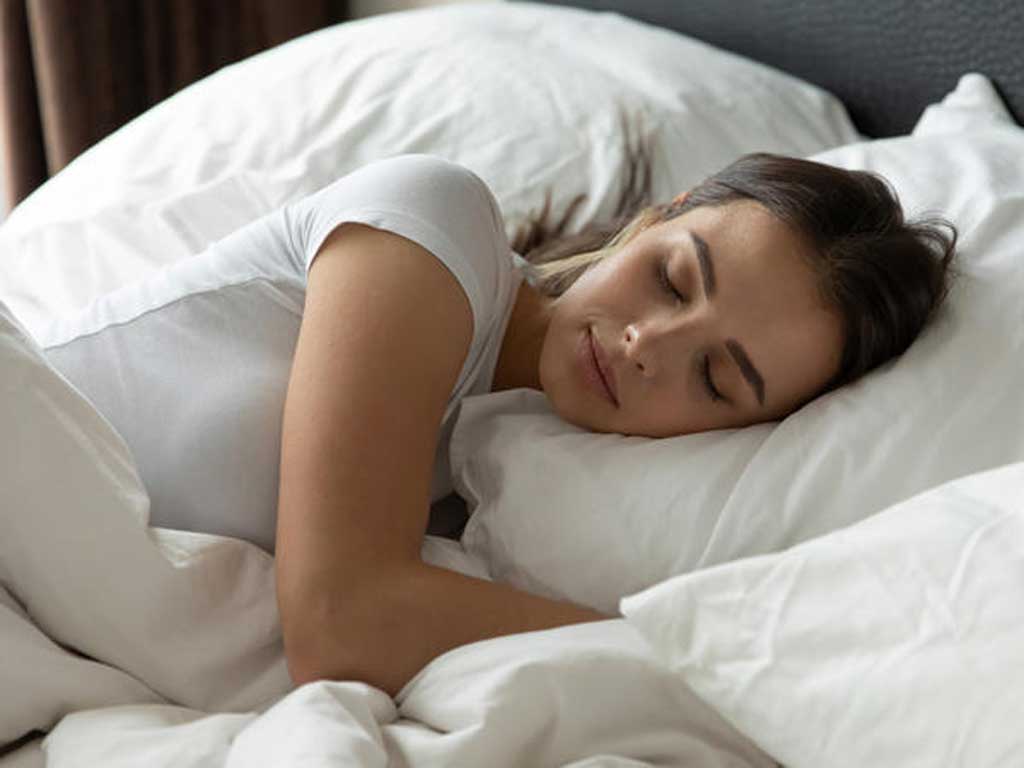
Naps should enhance life, not compensate for constant exhaustion.
Napping and Long-Term Health
Research has shown mixed results when it comes to long-term health and naps. Some studies suggest that frequent, long daytime naps are associated with higher risks of cardiovascular disease and metabolic issues. However, this does not mean naps cause these problems.
In many cases, the nap is a symptom, not the cause. People with underlying health issues may feel more fatigued and therefore nap more often. This is why context matters.
Short, intentional naps are very different from unplanned, uncontrollable sleep during the day.
How to Nap Without Ruining Your Night Sleep
If you enjoy daytime naps and want to keep them healthy, a few rules make all the difference:
1. Keep it short
Aim for 20 minutes. Set an alarm if needed.
2. Nap early
The ideal window is before 3 p.m. The earlier, the safer.
3. Create a calm environment
Dim light, silence notifications, and avoid the bed if possible. A couch or chair helps prevent deep sleep.
4. Don’t rely on naps daily
If naps feel essential every day, the real issue may be nighttime sleep quality.
5. Wake up gently
Stand up, stretch, and expose yourself to light to reset your brain.
Who Should Be Extra Careful With Naps
Certain people need to be especially mindful:
-
Those with insomnia
-
People sensitive to sleep disruption
-
Anyone struggling to fall asleep at night
-
Individuals with anxiety or irregular schedules
For them, even short naps can reinforce sleep problems. Consistency at night matters more than rest during the day.
Listening to What Your Body Is Actually Saying
A nap is not a weakness. But constant tiredness is not normal either.
If you crave naps because you are bored or overstimulated, a short rest may help. If you crave naps because you feel drained no matter how much you sleep at night, your body may be asking for deeper attention, not more rest.
Sleep is not just about quantity. It is about rhythm, timing, and recovery.
The Bottom Line
Daytime naps can be a powerful reset — or a silent disruptor.
Used intentionally, they sharpen the mind and calm the nervous system. Used carelessly, they steal from nighttime sleep and hide deeper problems. The difference lies in awareness.
If you like to nap during the day, you do not need to stop. You just need to do it smartly. Because rest should support your life, not quietly rearrange it.