Two Wild Vegetables Said to “Fight Can.cer” Grow Right in Your Garden—But Here’s the Truth
In recent years, many claims have circulated about wild vegetables that can supposedly “fight cancer” (often referred to as “bệnh K” in Vietnamese). As a result, more people have started searching for and consuming common plants found in their own gardens, hoping to protect their health.
However, experts emphasize an important point: no vegetable can replace medical treatment. Still, some wild plants do contain valuable nutrients and antioxidants that may support overall health when used properly.
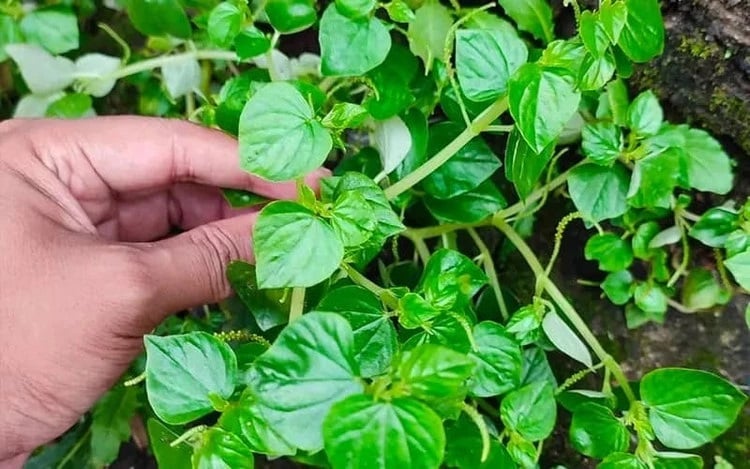
Peperomia pellucida (Càng cua): Small Plant, Big Nutritional Value
One of the most commonly mentioned plants is Peperomia pellucida, known in Vietnam as “rau càng cua.”
This soft-stemmed plant grows close to the ground and is often found in damp areas such as gardens, walls, or after rainfall. Once considered a weed, it is now widely used in everyday dishes.
Rau càng cua is rich in vitamin C, beta-carotene, and antioxidants. These compounds help reduce the effects of free radicals—one of the factors linked to the development of abnormal cells.
Some early studies suggest that extracts from this plant may have certain biological activities, but these findings are still preliminary and not sufficient to confirm any disease-treatment effects.
In daily meals, it is commonly used in salads or mixed with vinegar, offering a refreshing taste while adding natural nutrients.
Spiny Amaranth (Rau dền gai): A Nutrient-Rich Wild Green
Another widely known wild vegetable is Amaranthus spinosus, or “rau dền gai.”
This plant grows easily in rural areas and requires little care, which is why it is often pulled out as a weed. However, it is actually a rich source of nutrients.
Rau dền gai contains vitamins A and C, iron, and dietary fiber—nutrients that help strengthen the immune system and support the body in fighting harmful agents.
In traditional medicine, it is also used for cooling the body, aiding digestion, and improving overall health. A stronger immune system may help reduce the risk of various illnesses, including serious diseases.
It can be prepared in many ways, such as boiling, making soup, or stir-frying. For safety, it should be thoroughly washed and cooked before consumption.
The Truth: No “Miracle Cure” Can Replace Medicine
The idea that these vegetables can “fight cancer” largely comes from word-of-mouth and exaggerated claims.
In reality, cancer is a complex group of diseases that requires proper diagnosis and treatment through modern medical methods such as surgery, chemotherapy, or radiation therapy.
While nutrient-rich vegetables can support overall health, they cannot eliminate cancer cells. Relying solely on food instead of medical treatment may lead to serious consequences.
How to Use Wild Vegetables Safely
To benefit from wild vegetables, experts recommend:
- Ensuring they are collected from clean, uncontaminated areas
- Washing thoroughly and cooking properly to remove bacteria or parasites
- Avoiding overconsumption of a single type—maintain a balanced diet
- Using them as part of a healthy lifestyle, not as a treatment
The Bottom Line
Wild vegetables like rau càng cua and rau dền gai are nutritious, accessible, and beneficial when used correctly. However, claims that they can “fight cancer” should be viewed cautiously.
Maintaining a healthy lifestyle, eating a balanced diet, and seeking regular medical care remain the most reliable ways to protect long-term health.