8 Vegetables That May Carry Parasites If Not Properly Washed 😨
Vegetables are essential for a healthy diet, packed with vitamins, fiber, and antioxidants. However, many people don’t realize that if they’re not properly washed or handled, some vegetables can carry harmful microorganisms—including parasites. These contaminants usually come from soil, water, or improper handling during farming and transportation—not from the vegetables themselves.
Understanding which vegetables need extra care—and how to clean them—can help protect your health.
1. Lettuce and Leafy Greens
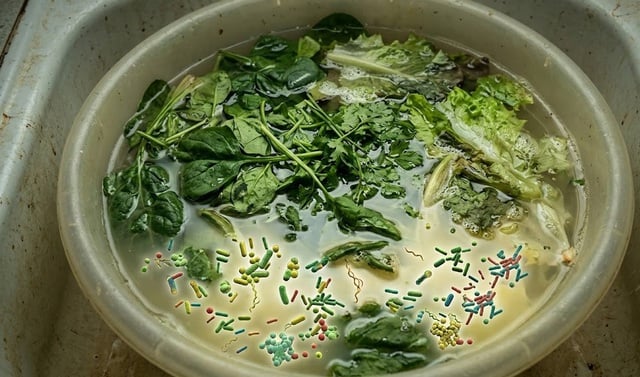
Vegetables like lettuce, spinach, and kale have many folds and crevices where dirt and parasites can hide. They are often linked to contamination if eaten raw without thorough washing.
2. Cabbage
Cabbage layers can trap tiny organisms, especially if grown in contaminated soil. It’s important to separate the leaves and rinse them carefully.
3. Coriander (Cilantro)
This herb is commonly eaten raw and has delicate leaves that easily hold onto dirt and microbes. It should always be washed thoroughly before use.
4. Green Onions (Scallions)

Because they grow close to the ground, green onions can carry contaminants on both the white root and green stalk.
5. Tomatoes
Even though tomatoes have smooth skin, they can still carry parasites from contaminated water or handling. Washing them before eating or slicing is essential.
6. Cucumbers
Often eaten raw, cucumbers may carry contaminants on their skin. If not peeled, they should be scrubbed and rinsed well.
7. Carrots

Carrots grow underground, making them more likely to come into contact with contaminated soil. Peeling or scrubbing them thoroughly reduces risk.
8. Bell Peppers
Their hollow interior can sometimes trap bacteria or dirt, especially around the stem. Washing both the outside and inside is important.
What Kind of Parasites Are We Talking About?
Some vegetables may carry parasites such as Giardiasis (caused by Giardia) or Toxoplasmosis, typically due to contaminated water or soil. While infections are not extremely common, they can happen—especially if hygiene is poor.
How to Protect Yourself
- Always wash vegetables under clean running water
- Soak leafy greens and rinse multiple times
- Peel or cook when appropriate
- Avoid cross-contamination with raw meat or dirty surfaces
- Buy from reliable sources when possible
Final Thoughts
Vegetables are safe and incredibly beneficial when handled properly. The goal isn’t to avoid them—but to prepare them correctly. A few extra minutes of washing can significantly reduce the risk of parasites and help you enjoy your meals with confidence.
Healthy eating starts with safe habits.