5 Warning Signs of Gallstones You Should Never Ignore 🟡
Gallstones are small, hardened deposits that form inside the gallbladder, an organ that helps your body digest fat. When these stones block the normal flow of bile, they can trigger sudden and sometimes severe symptoms. Medically, this condition is known as Gallstones, and while some people may have no symptoms at all, others experience clear warning signs that shouldn’t be overlooked.
Here are 5 important signs that may indicate gallstones:
1. Sharp or intense pain in the upper right abdomen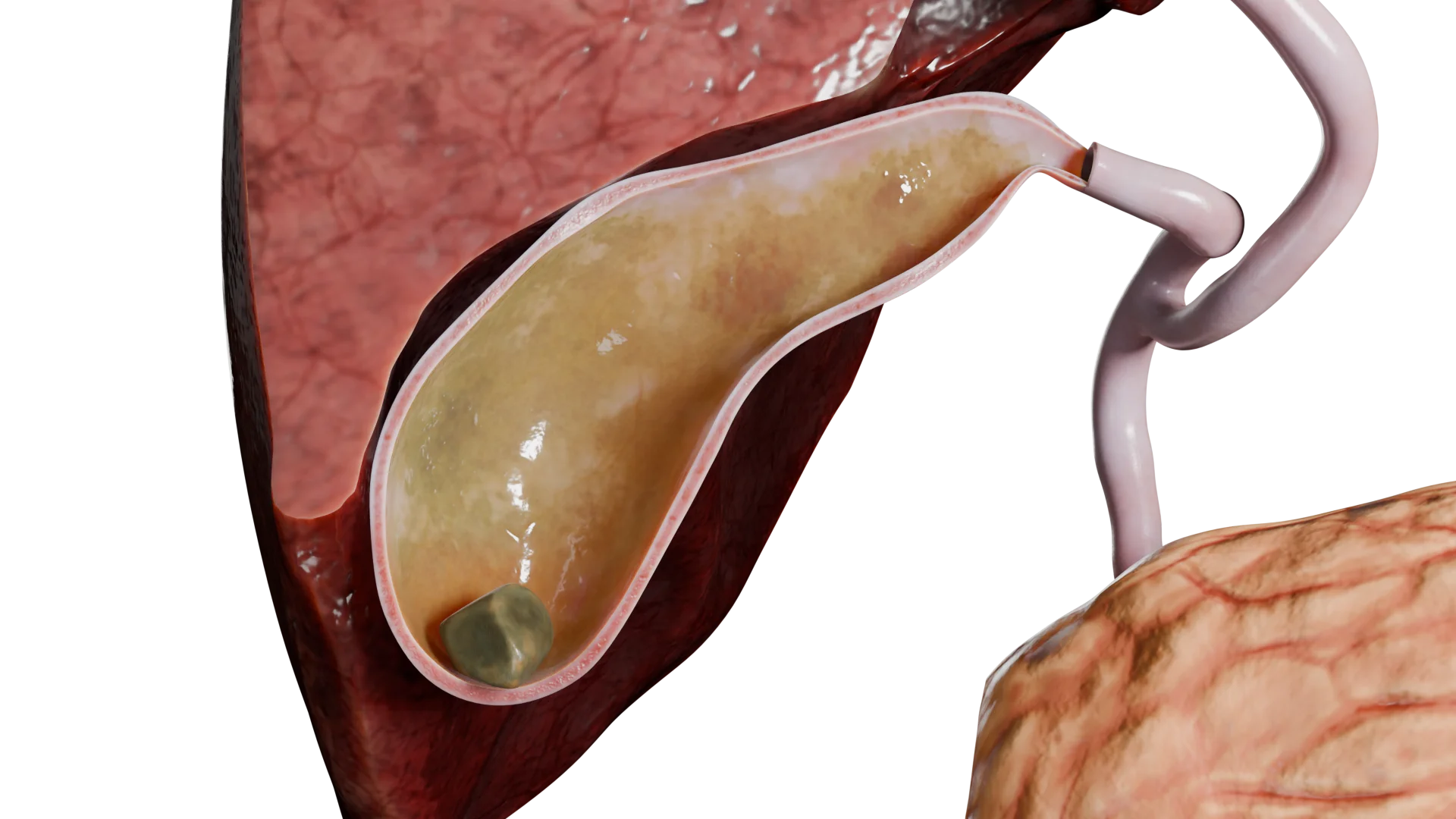
One of the most common symptoms is a sudden, strong pain in the upper right side of the belly. This pain often appears after eating, especially after consuming fatty or greasy foods. It may start unexpectedly and can last anywhere from a few minutes to several hours, sometimes becoming severe enough to interrupt daily activities.
2. Pain spreading to the back or right shoulder
Gallbladder pain doesn’t always stay in the abdomen. In many cases, the discomfort radiates to the back or right shoulder blade. This referred pain can make the condition harder to recognize at first, as it may feel like muscle strain or back problems.
3. Nausea, vomiting, and digestive discomfort
Many people with gallstones experience digestive issues such as nausea or vomiting, particularly after meals. You may also feel unusually full, uncomfortable, or unable to digest fatty foods properly, even after eating small portions.
4. Persistent bloating and indigestion
Frequent bloating, gas, or indigestion that doesn’t seem to improve could be another warning sign. These symptoms are especially noticeable after eating rich or oily foods, as the gallbladder struggles to release bile efficiently.
5. Fever, chills, or signs of infection (in serious cases)
If a gallstone causes a blockage or leads to inflammation, the condition can become more serious. Symptoms like fever, chills, and worsening abdominal pain may appear. These signs can indicate infection and require immediate medical attention.
When should you seek medical help?
If you experience severe or persistent abdominal pain, especially if it lasts more than a few hours or is accompanied by fever, vomiting, or yellowing of the skin, it is important to seek medical care promptly. These may be signs of a complication that needs urgent treatment.
Gallstones can sometimes remain silent for years, but when symptoms do appear, they can significantly affect your quality of life. Early recognition and proper diagnosis can help prevent more serious problems and ensure timely treatment.