Swollen Feet? Here’s the Hidden Message Your Body May Be Trying to Send
Swollen feet are often dismissed as a minor inconvenience—something that happens after a long day of standing or walking. But health experts warn that persistent swelling could be your body’s way of signaling deeper issues that shouldn’t be ignored.
What Causes Swollen Feet?
Swelling in the feet, also known as edema, occurs when excess fluid becomes trapped in the body’s tissues. This commonly affects the lower extremities due to gravity, especially after long periods of standing or sitting.
In many cases, the cause is harmless and temporary. However, when swelling persists or worsens, it may point to underlying health conditions.
A Warning Sign of Circulation Problems
One of the most common reasons for swollen feet is poor blood circulation. When blood flow is not efficient, fluid can accumulate in the legs and feet.
Conditions like venous insufficiency—where veins struggle to return blood to the heart—can lead to chronic swelling over time.
It Could Be Linked to Heart, Kidney, or Liver Issues
Doctors caution that swollen feet can sometimes be an early sign of more serious conditions, including:
- Heart problems, such as heart failure, which reduce the body’s ability to pump blood effectively
- Kidney disease, which prevents the body from removing excess fluid
- Liver disease, which affects protein levels and fluid balance
These conditions can cause fluid to build up in tissues, leading to noticeable swelling in the feet and legs.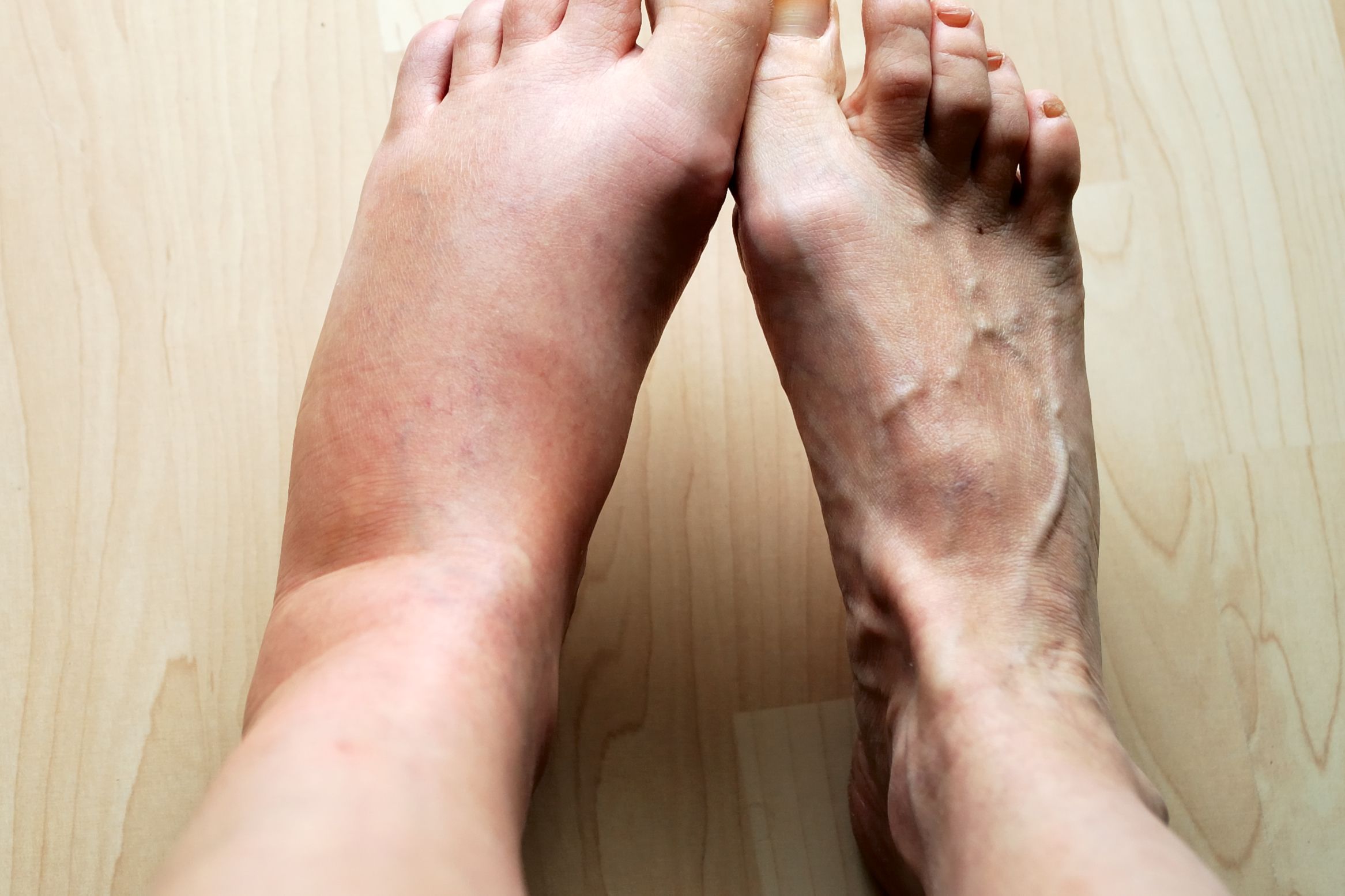
Other Possible Causes You Shouldn’t Ignore
Swollen feet may also result from:
- Injuries such as sprains or fractures
- Pregnancy, due to increased pressure and fluid retention
- Medications, especially those for blood pressure
- Infections or inflammation, which trigger localized swelling
When Swelling Becomes a Red Flag
Occasional swelling is usually harmless. But experts recommend seeking medical advice if you notice:
- Sudden or severe swelling
- Swelling in only one foot
- Pain, redness, or warmth in the area
- Shortness of breath or chest discomfort
These symptoms may indicate serious conditions such as blood clots or heart-related issues.
Simple Ways to Reduce Swelling
For mild cases, lifestyle adjustments can help:
- Elevate your feet to improve circulation
- Move regularly to prevent fluid buildup
- Reduce salt intake
- Wear supportive footwear or compression socks
These steps can help your body regulate fluid balance more effectively.
The Bottom Line
Swollen feet are not always just about fatigue. In some cases, they can be an early signal of underlying health problems.
Paying attention to these signs—and acting early—can make a significant difference in protecting your long-term health.