For centuries, oregano has been valued as both a culinary herb and a traditional remedy. Commonly used in Mediterranean cuisine, the herb is known for its bold flavor and aromatic scent. In recent years, scientists have taken a closer look at oregano to better understand how its natural compounds may contribute to human health.
While oregano is most often associated with pizza, pasta sauces, and roasted vegetables, modern research suggests that the herb may also contain compounds with potential health-supporting properties. These findings have sparked growing interest in oregano as more than just a seasoning.
A Herb Rich in Natural Compounds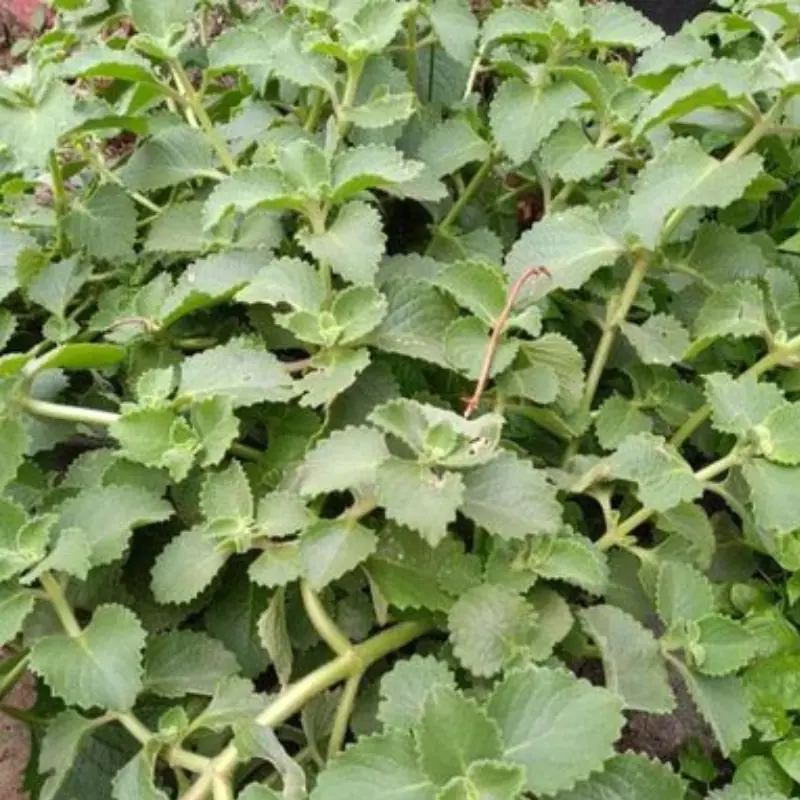
Oregano, scientifically known as Origanum vulgare, contains a variety of bioactive plant compounds. Among the most studied are carvacrol and thymol, which are responsible for much of oregano’s characteristic aroma and potential biological activity.
Research indicates that these compounds have antimicrobial properties and may help combat bacteria, viruses, and fungi in laboratory settings.
Oregano is also rich in antioxidants—substances that help protect cells from damage caused by free radicals. Antioxidants play an important role in maintaining overall health and may help reduce inflammation within the body.
Potential Benefits for Immune Health
One of the reasons oregano has gained attention is its potential role in supporting the immune system. The herb’s antimicrobial and antioxidant compounds may help the body defend itself against certain pathogens.
Laboratory studies have shown that oregano extracts can inhibit the growth of several bacteria and fungi.
These effects are largely attributed to carvacrol and thymol, which have demonstrated antibacterial and antiviral activity in experimental studies. However, researchers emphasize that more human studies are needed to fully understand how these effects translate into real-world health benefits.
Anti-Inflammatory Properties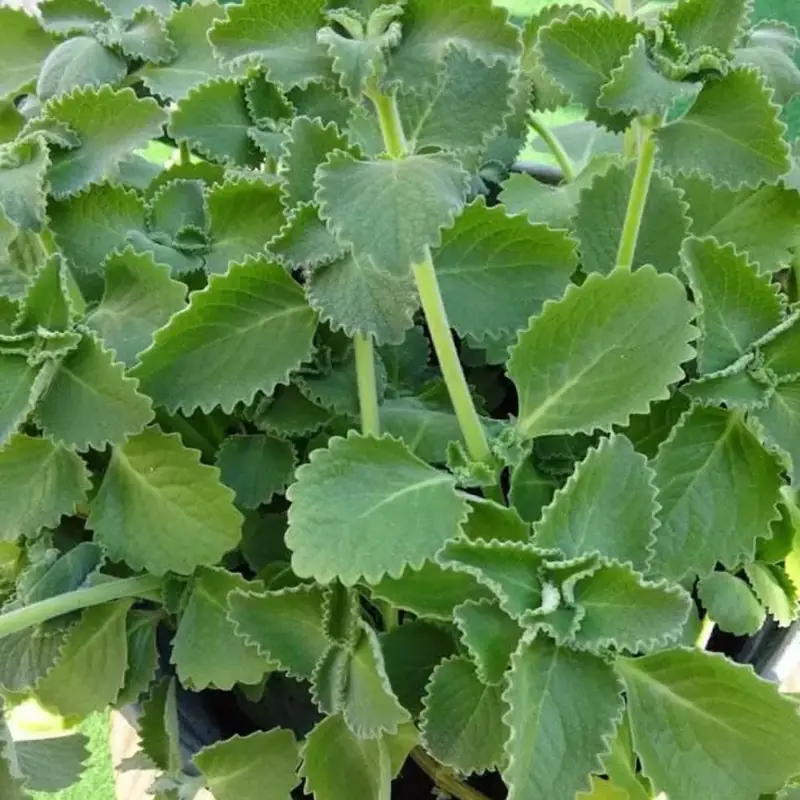
Inflammation is a natural response that occurs when the body fights infection or injury. However, chronic inflammation has been linked to several long-term health conditions.
Some studies suggest that compounds found in oregano may help reduce inflammation by neutralizing harmful molecules and supporting the body’s natural defense systems.
Although these results are promising, much of the research has been conducted in laboratory or animal studies. Scientists continue to investigate how oregano’s anti-inflammatory properties may benefit human health.
Possible Support for Heart and Metabolic Health
Emerging research also suggests oregano may have a positive effect on cardiovascular and metabolic health. Preliminary studies indicate that oregano’s antioxidant compounds could help regulate blood sugar, cholesterol, and lipid levels.
In addition, some experts highlight oregano’s potential role in supporting healthy blood pressure due to its high antioxidant content.
However, experts caution that these findings are still being explored. Dietary herbs like oregano should be viewed as part of a balanced diet rather than a standalone treatment.
Oregano and Digestive Wellness
Traditional medicine has long used oregano to support digestion. Today, researchers are studying how oregano’s antimicrobial properties might help maintain a balanced gut microbiome.
Certain compounds in oregano may help inhibit harmful bacteria while allowing beneficial microbes to thrive.
A balanced gut microbiome plays a key role in digestion, immunity, and even mood regulation, making this area of research particularly interesting to scientists.
Culinary Uses Remain the Safest Approach
Although oregano oil and supplements are widely marketed for health benefits, many experts recommend consuming oregano in its natural culinary form whenever possible.
Using fresh or dried oregano in cooking provides flavor and beneficial compounds without the risks associated with concentrated extracts. Extremely high doses of oregano oil, for example, may cause irritation or interact with certain medications.
Adding oregano to soups, salads, roasted vegetables, and sauces is a simple way to incorporate the herb into everyday meals.
The Importance of Scientific Balance
While oregano shows promising biological activity in research studies, scientists emphasize that many findings are still preliminary. Laboratory experiments often use concentrated extracts that are far stronger than the amounts typically consumed in food.
For this reason, oregano should not be considered a cure for disease. Instead, it can be viewed as one of many plant-based ingredients that contribute to a healthy diet.