Many households struggle with common pests such as mosquitoes, flies, and cockroaches. These insects are not only annoying but may also carry bacteria and create an uncomfortable living environment. While chemical sprays and pesticides are widely available, many people prefer more natural and eco-friendly solutions for keeping pests away.
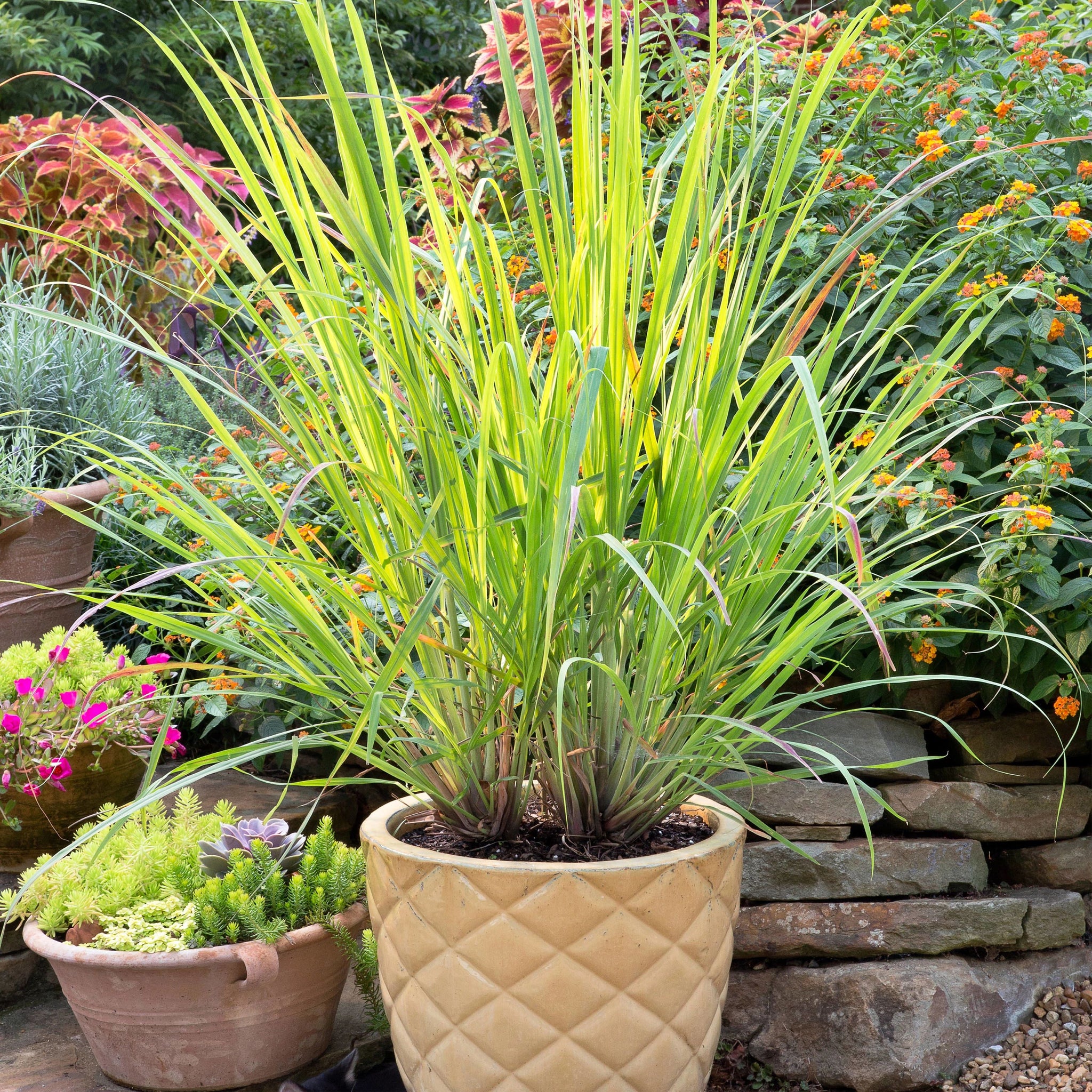
One surprisingly effective approach is growing certain plants that naturally repel insects. Some plants release strong aromatic oils that insects find unpleasant. These natural scents can discourage pests from entering homes or lingering around windows, balconies, and doorways.
The good news is that many of these plants are easy to grow, require minimal maintenance, and do not take up much space. They can thrive in small pots, making them ideal for apartments, balconies, windowsills, and small indoor gardens.
Below are five space-saving plants that may help reduce the presence of mosquitoes, flies, and cockroaches around your home.
1. Lavender
Lavender is well known for its pleasant fragrance and beautiful purple flowers, but insects often react very differently to its scent. The natural oils found in lavender contain compounds such as linalool, which mosquitoes and flies tend to avoid.
For humans, lavender’s scent is calming and relaxing. It is commonly used in aromatherapy and sleep products. However, for many insects, the smell acts as a natural deterrent.
Lavender plants are compact and can grow well in small pots placed near windows, doorways, or balconies. With sufficient sunlight and moderate watering, they can thrive indoors or outdoors.
Benefits of lavender include:
-
Naturally repels mosquitoes and flies
-
Produces a calming fragrance for indoor spaces
-
Requires relatively low maintenance
-
Fits easily in small pots or containers
Placing a few lavender plants around the home may help create a more pleasant environment while discouraging insects.

2. Mint
Mint is one of the easiest herbs to grow and is widely known for its strong, refreshing scent. While people enjoy mint in tea, desserts, and cooking, many insects dislike its powerful aroma.
The essential oils in mint, particularly menthol, may help repel mosquitoes, flies, and even some crawling insects such as cockroaches.
Mint grows quickly and adapts well to container gardening. Because it spreads easily, keeping mint in a pot actually helps control its growth.
Advantages of growing mint include:
-
Strong scent that discourages pests
-
Easy to grow indoors or outdoors
-
Useful for cooking, drinks, and herbal tea
-
Thrives in small containers
A small pot of mint on a kitchen windowsill can serve both culinary and practical purposes.
3. Basil

Basil is a popular herb used in many cuisines, but it also contains natural compounds that insects tend to avoid.
Its leaves release aromatic oils that may help repel mosquitoes and flies. Because of this, basil is often recommended as a natural plant to keep near outdoor dining areas or kitchen windows.
Basil grows well in small pots and prefers warm environments with plenty of sunlight.
Benefits of basil include:
-
Natural mosquito-repelling properties
-
Useful culinary herb
-
Compact growth suitable for small spaces
-
Pleasant aroma for indoor environments
Growing basil indoors allows homeowners to enjoy fresh herbs while helping discourage insects.
4. Rosemary
Rosemary is another aromatic herb known for its strong scent and versatility in cooking. The plant produces essential oils that may help repel mosquitoes and certain flying insects.
Rosemary plants are relatively hardy and can grow well in small containers with good drainage. They prefer bright sunlight and moderate watering.
In addition to its potential pest-repelling properties, rosemary offers several other benefits:
-
Adds flavor to many dishes
-
Produces a pleasant herbal fragrance
-
Can grow well in small pots
-
Requires minimal maintenance once established
A rosemary plant placed on a balcony or windowsill can serve as both a decorative and functional addition to the home.