
Headaches can range from mild to moderate and usually subside when the affected person starts exercising or eating, according to the health website Healthline (USA).
This is a fairly common condition. Many factors in daily life can cause morning headaches, such as lack of sleep, insufficient sleep quality, prolonged stress, drinking alcohol in the evening, or dehydration. Improper sleeping posture can also strain neck muscles and lead to headaches upon waking.
Most morning headaches are harmless and usually resolve on their own after a short time. However, there are some signs that should not be ignored and that require medical attention.
Note: Headache accompanied by numbness, difficulty speaking, dizziness...
First, pay attention if morning headaches occur frequently and last for weeks or months. This could be a warning sign of a chronic disorder, especially sleep-related problems.
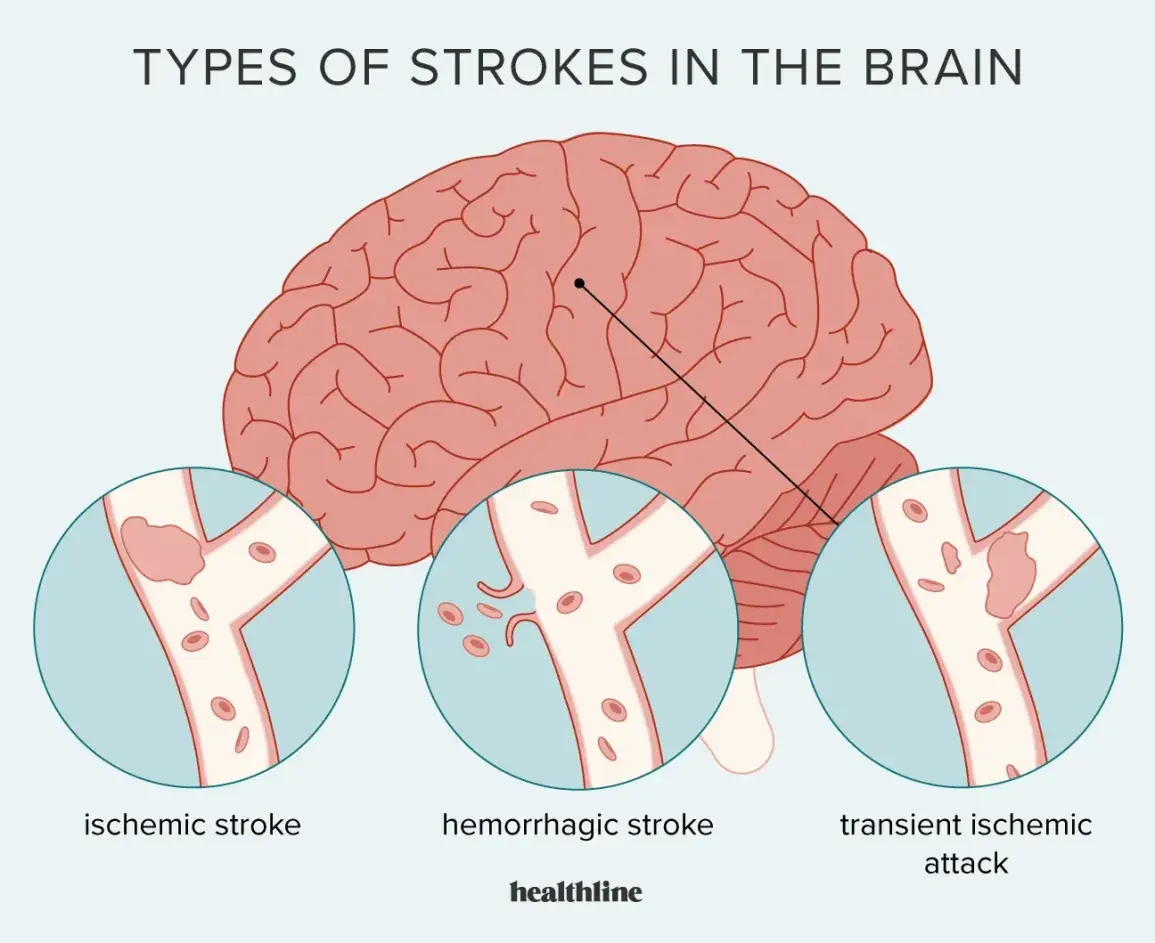
Those experiencing morning headaches should be especially vigilant if they are accompanied by unusual neurological symptoms. This could be a sign of a transient ischemic attack (TIA) or an ongoing stroke. Unlike typical headaches caused by lack of sleep or stress, neurological symptoms indicate that the brain may be experiencing reduced blood flow or vascular damage.
One of the key signs is weakness or numbness on one side of the body. Patients may feel weakness in one arm or leg, difficulty grasping objects, or a tingling sensation. This occurs when the brain region controlling movement and sensation is deprived of blood. The American Stroke Association (ASA) states that sudden weakness or numbness in the face, arm, or leg, especially on only one side of the body, is a typical sign of a stroke.
Another symptom is difficulty speaking or unclear speech. Patients may speak slowly, have difficulty pronouncing words, or have difficulty understanding others. This is a sign that brain regions associated with language may be affected.

Visual disturbances are also a symptom to watch out for. Patients may experience blurred vision, double vision, or even temporary vision loss in one eye. This occurs when blood vessels supplying the brain region that processes vision or the retina become blocked.
Additionally, severe dizziness or sudden loss of balance can also be a dangerous sign. These symptoms are often associated with damage to the brainstem or cerebellum, the areas that control balance and motor coordination.
Notably, these symptoms sometimes only last a few minutes and then disappear on their own. In such cases, this could be a transient ischemic attack (TIA). This is an early warning sign of stroke. Those affected should go to the hospital immediately because the risk of a full-blown stroke can increase significantly in the following days or weeks, according to Healthline.